
Why the Muslim Brotherhood Poses a Hidden Threat to Britain’s Democracy
-
The Arab Post
- . September 8, 2025
- . Update: September 8, 2025 4:55 pm
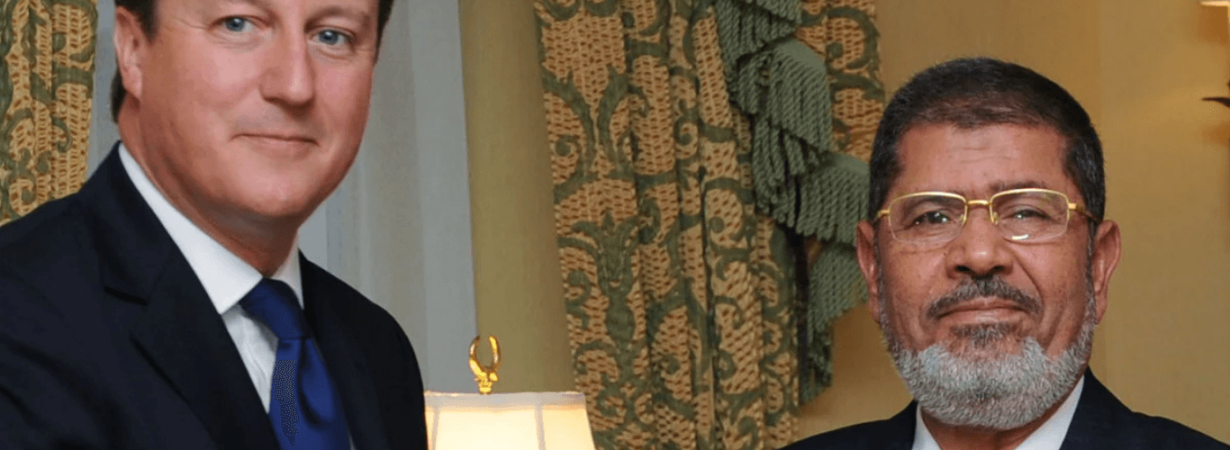
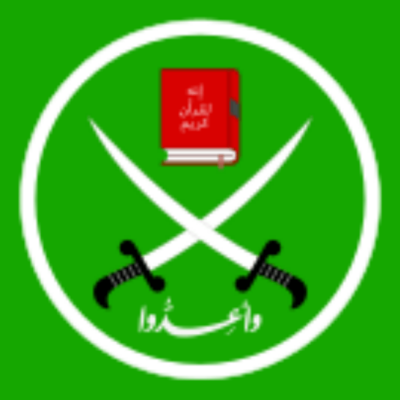
The recent Telegraph article, “The Muslim Brotherhood has no place in British society”, highlights a growing concern that cannot be ignored. While the Brotherhood presents itself as a moderate movement engaged in charity, education, and community work, its underlying ideology and transnational ambitions tell a very different story. Far from being a benign civic group, the Muslim Brotherhood has consistently used democratic freedoms as tools to advance an agenda that is deeply at odds with Britain’s democratic and pluralistic values.
A Movement Built on Contradiction
One of the Brotherhood’s most effective strategies is its ability to project moderation in public while privately nurturing extremism. Reports such as the 2015 UK Government Review on the Muslim Brotherhood concluded that the movement speaks the language of integration and tolerance when addressing Western audiences, but maintains an ideological commitment to political Islam in its internal circles. This duality is not a misunderstanding; it is a deliberate strategy that enables the Brotherhood to gain credibility in Britain while shielding its true objectives from scrutiny.
Quiet Infiltration into Institutions
The Brotherhood rarely engages in direct confrontation. Instead, it seeks influence through quiet infiltration. Charities, educational programs, student societies, and cultural centers are used as vehicles to expand its reach. In many cases, these organizations provide genuine services, but they also serve a deeper purpose: normalizing the Brotherhood’s ideology and embedding its networks in key institutions. Studies by the Royal United Services Institute (RUSI) and other research bodies warn that these tactics are not unique to Britain but mirror strategies the group has used across Europe and the Middle East.
Exploiting Freedoms to Restrict Freedoms
Perhaps most concerning is how the Brotherhood manipulates democratic freedoms. By appealing to values such as freedom of religion and equality, the group positions itself as a victim when challenged, often framing criticism as Islamophobia. At the same time, it works to silence Muslims who reject its interpretation of Islam, narrowing the diversity of voices within British Muslim communities. In this way, the Brotherhood uses the very liberties offered by democracy to weaken pluralism and shield itself from accountability.
Identity and Religion as Political Tools
The Brotherhood thrives on its ability to turn religion into a political ideology. By claiming to represent Muslims in the West, it marginalizes dissenting voices and fosters a culture of loyalty and conformity. The UK Government Review and research from Policy Exchange have shown how the group leverages identity politics, presenting itself as the defender of Muslim interests while, in practice, imposing a rigid ideological framework. This manipulation undermines both social cohesion and the rich diversity within British Muslim life.
An International Project with Local Implications
It would be a mistake to view the Brotherhood purely as a domestic movement. It is part of a global network, with affiliates across Europe, the Middle East, and beyond. Its activities in Britain are linked to a wider transnational agenda that includes funding networks, propaganda campaigns, and political organizing. Reports from the European Foundation for Democracy show how these global connections amplify its influence, making the Brotherhood not just a local challenge, but an international one.
Protecting British Democracy
The Brotherhood’s danger lies in its subtlety. Unlike groups that use violence, its soft-power approach can be harder to detect but no less damaging. Over time, infiltration, identity manipulation, and exploitation of freedoms corrode the foundations of democratic life. Safeguarding British society does not mean targeting communities, but rather ensuring that extremist ideologies cannot hide behind the veil of moderation. Empowering diverse Muslim voices, increasing transparency in community organizations, and holding groups accountable are all essential steps in defending the values that Britain stands for.