
Top 7 Safety Tips for Tourists Visiting Arab Nations
-
The Arab Post
- . March 17, 2026
- . Update: March 17, 2026 9:10 pm
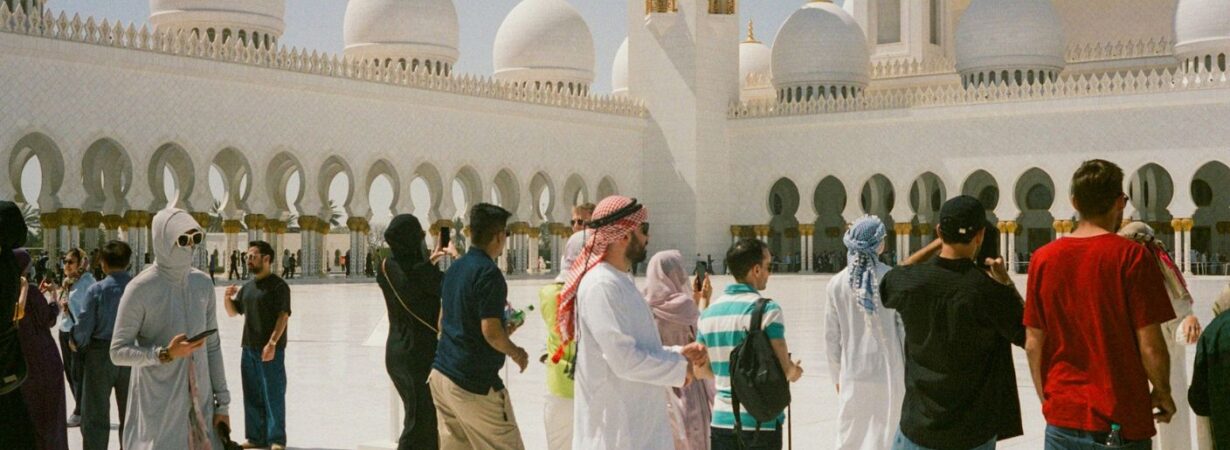
Traveling to non-GCC Arab countries such as Egypt, Jordan, Lebanon, and Morocco may prove to be an extremely rewarding experience for you as they offer a plethora of ancient sites, bustling markets, and unique cultural experiences. Nevertheless, there are more important aspects of safety for tourists than just basic knowledge of traveling. Tourists must also be aware of the customs and political expectations of the area they are in. This article is different from other articles as it does not cover the theoretical aspects of traveling but rather the practical aspects of cultural safety. This means that the article will cover the basic safety tips for tourists visiting Arab countries.
7 Safety Tips for Tourists visiting Arab Nations
1. Dress Conservatively to Fit In and be Respectful
Modest clothing has the potential to decrease attention and display cultural awareness
In non-GCC Arab countries, the modesty of clothing is considered respectful. Both men and women must avoid revealing clothing and try to cover their shoulders and knees. Women may also want to bring a scarf to enter mosques or religious places. Dressing appropriately not only helps to respect the local traditions, but it can also help to avoid unwanted attention in public places.
2. Enlist the Verified Transportation Instead of Random Taxis
Reliable transportation choices can reduce scams and safety risks
Hailing unregistered taxis in the street should be avoided, especially at night. Instead, use verified ride-hailing services such as Uber or Careem, where they are available or arrange your transport through your hotel. Reputable transportation helps to reduce the chance of being overcharged or taking a route that is unsafe or misunderstood in places that are unfamiliar.
3. Be Alert and Try to Avoid Protests or Political Gatherings
Situational awareness is important in unfamiliar environments
Before heading out each day, check local news and be aware of any protests and demonstrations and any security advisories. Political gatherings can turn nasty very quickly, and tourists should completely avoid them. Stick to well-lit, populated areas (after dark, especially) and don’t wander off alone through unknown neighbourhoods.
4. Keep Valuables Locked Up in Crowded Tourist Areas
Pickpocketing is more prevalent than violent crime
Popular tourist spots, markets and public transport hubs can be places where the petty thief might be at work. Use a cross-body bag, keep your phone out of your back pockets, and avoid wearing expensive jewellery and large amounts of cash. Hotel safes come in handy for the storage of your passport, spare cards, and valuables when you are out exploring.
5. Respect Religious, Cultural and Legal Boundaries
What Is Not Offensive at Home Can Be Offensive or Legal in a Foreign Country
Avoid public displays of affection, reportedly photographing military or government buildings or making negative remarks about local politics, religion or authorities. Even fleeting social media posts can lead to problems in some destinations. Understanding the laws in Arab countries for us tourists is just as important as avoiding physical danger.
6. Be Careful With Water, Food and Heat Exposure
Health hazards can derail your trip- quicker than security issues
Drink bottled or filtered water, especially in areas where the quality of tap water is in question. Be selective with street food, especially during extreme heat, and focus on vendors that are busy with high turnover rates. Carry water all day, wear sunscreen and avoid dehydration when on long sightseeing visits.
7. Carry an ID and Have an Emergency Backup Plan
Preparation makes the emergencies easier to manage
Always carry a photocopy of your passport and visa, hotel address and emergency contacts. Register with your embassy or travel alert program prior to departure, if any. Save the local emergency numbers offline and download maps beforehand. This simple step can make a big difference in the event of travel disruption or health emergencies.
FAQs
Q1. Are non-GCC Arab Countries safe for tourists?
Yes, there are quite a few non-GCC Arab countries that are quite safe for tourists to visit as long as the visitors respect local practices, use trusted transport, and keep their wits about them in crowded areas.
Q2. What should tourists not wear in Arab countries?
Tourists should avoid political protests, public criticism of religion/authorities, illegal photography and clothing deemed too revealing.
Q3. Is it safe to travel as a solo traveller in countries such as Egypt, Jordan or Morocco?
Solo travel can be safe with careful planning, modest dress, legendary travel transport companies, and an awareness of local cultural expectations.
Q4. What is the most significant travel safety tip for Arab countries?
The most important tip is to use a combination of cultural respect and situational awareness, and understanding the customs helps avoid problems, both social and legal.