

Sonatrach and Eni Expand Emissions Deal: What It Means for Algeria’s Oil and Gas
-
Dhivyanshu
- . August 18, 2026
- . Update: August 18, 2026 7:13 pm
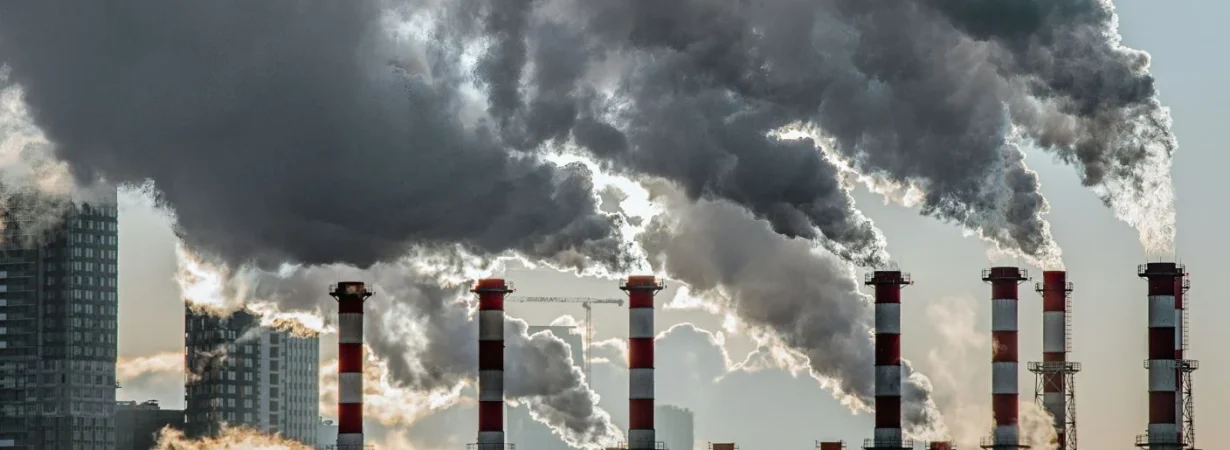
The Mediterranean energy landscape is making this huge, long-term sustainability kind a leap. On August 17, 2026, Sonatrach and Eni expand their emissions deal frameworks by signing this pivotal new protocol of intent, kinda like a statement that moves faster than before. This landmark agreement aims to drastically speed up decarbonization activities across Algeria’s oil and gas sector. And as the global pressure keeps rising to tackle climate change, this strategic alliance is putting a lot of weight on strict greenhouse gas cuts, improved methane management, and novel carbon capture techniques. Here’s everything you need to know about this major development and what it may do to global energy security later on.
The Evolution of the Eni and Sonatrach Partnership
The link between the Algerian state-owned energy giant and the Italian multinational has for years been like a main backbone for European energy security. Still, as the world shifts toward cleaner energy, the Eni–Sonatrach partnership has moved from classic extraction modes into sustainable innovation rather than just extraction, period.
Building on the 2023 Foundation
Now, the August 2026 protocol doesn’t really begin with a blank page. Per the official Sonatrach press release, it builds noticeably on a foundational three-year memorandum signed in January 2023.
Back then, during that initial phase, the two companies rolled out joint technical analyses, energy audits, and an intense Leak Detection and Repair (LDAR) campaign across 800 kilometers of pipelines. Those early baseline assessments, carried out independently and in a structured way across six joint ventures, managed to cut fugitive venting and gas flaring. So, with these baseline metrics already set and confirmed, the companies are preparing to scale their greenhouse gas emissions reduction efforts to another level, not just adjust small things.
Key Initiatives in the New Decarbonization Strategy
When Sonatrach and Eni expand the emissions deal parameters, they sort of introduce cutting-edge methodologies meant to reach real, verifiable climate goals. As the European industry trackers at EuropaWire spell out, the expanded scope turns toward a few transformative pillars, not in a fully neat way but in a practical manner.
- Advanced Methane Management: Methane is a very potent greenhouse gas, and limiting its release is treated as a top priority here. The companies will put in place firmer monitoring and reduction protocols, and they say this is aligned with global standards laid down by overseers like the International Energy Agency (IEA).
- Nature-Based CO2 Removal: One notable addition to the protocol is the investigation of forestry projects. By leaning on land-based sequestration, the partners aim to naturally counterbalance industrial footprints, in a kind of steady offset approach.
- Carbon Capture Utilization and Storage (CCUS): Both firms, guided by what’s described through Eni, are actively assessing the technical and business feasibility of deploying large CCUS hubs right within current production fields.
Securing the Future of Algeria’s Oil and Gas Sector
Why does this matter beyond the environmental benefits? It’s basically a strict commercial necessity now, like straight up. Industry experts at Carbon Herald point out that adding nature-based carbon dioxide removal CDR into fossil fuel operations makes sure Algeria’s oil and gas sector stays very competitive in carbon-conscious European markets. If they “green” their supply chain, Algeria can protect its export capacity, and it also strengthens its reputation as a dependable, future-proof energy provider.
The news that Sonatrach and Eni expand emissions deal frameworks kinda feels like a turning point for North African energy. By backing advanced methane management, plus forestry-based CO2 removal, and also demanding greenhouse gas emissions reduction, the Eni and Sonatrach partnership is setting a new regional reference point. In the end, these hard decarbonization moves should make it so Algeria’s oil and gas sector won’t just survive the global energy transition, but will thrive within it. Cleaner, more resilient- that’s the story, and yes, it’s supposed to be an economic powerhouse.
FAQs
Q1: Why did Sonatrach and Eni expand emissions deal protocols?
A: The companies kinda expanded their 2023 arrangement to roll out broader decarbonization moves, especially aiming at better methane management, natural CO2 removal via forestry, and also carbon capture technologies (CCUS), which is kind of the core part of it.
Q2: What is the main goal of this greenhouse gas emissions reduction plan?
A: The main target is to bring down the carbon footprint of upstream operations in Algeria’s oil and gas industry, so they stay in line with international climate best practices, all while keeping steady energy exports to Europe.
Q3: How does this impact the broader Eni and Sonatrach partnership?
A: It really fortifies their strategic, bilateral connections and shifts them from typical energy providers into active drivers of the Mediterranean energy transition, kind of a leadership role.
Discover More Insights
Explore Cairo inflation middle class impact?
Discover how rising prices are affecting savings and daily life.
Check Algeria power plant deadline extension?
Explore updates on the 1.2GW energy project timeline.
Discover Turkey new electricity tariff changes?
Check how updated pricing will impact households and businesses.
Explore Qatar initiative boosting Syria power?
Discover efforts aimed at strengthening Syria’s electricity generation.
Check Beirut balcony lighting energy tips?
Explore efficient lighting ideas for Ramadan and beyond.