
European-Iranian Diplomatic Tensions: Why Tehran’s Actions Are Becoming a Wider Security Concern
-
Dhivyanshu
- . August 20, 2026
- . Update: August 20, 2026 2:47 pm
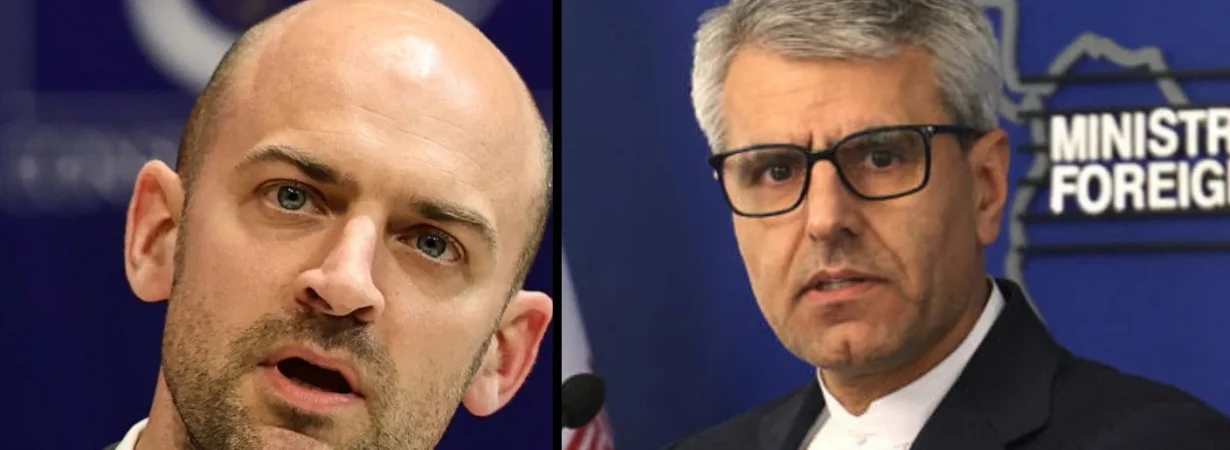
France’s expulsion of two Iranian diplomats sharpens a dispute with Tehran and is a far bigger problem than the two diplomats. The European powers in the continent are grappling with a more complicated task in how to handle Tehran, given that bilateral animosities are rapidly escalating into wider geopolitical issues. European Iranian security concerns, As the incident in Paris has become more isolated, it has raised questions about broader questions of European diplomatic behavior, national sovereignty, and security. That came after Iran refused to allow back to Tehran two French embassy officials over the ban on them from violating the diplomatic code and intervening in Iran’s affairs. France denied those claims, arguing that its diplomatic staff in Iran has been detained and mistreated by Iranian security forces. Both sides have told vastly different explanations of the incident.
The conflict has a broader dimension than is French-Iranian. It follows as European countries are probing alleged Iranian security operations abroad, such as threats to dissidents and others. This has turned Iran’s diplomatic presence and activities into a growing issue for European governments that are worried by the national security and sovereignty.
Diplomatic Immunity Comes With International Obligations
Important privileges and immunities are provided by the Vienna Convention on Diplomatic Relations, but it also imposes obligations on diplomats. Article 41, “Respecting the laws and regulations of the state of reception and not interfering in its internal affairs”, stipulates that a person enjoying diplomatic privileges must respect the laws and regulations of the state of reception, and must not interfere in its internal affairs. The same is true for Article 9, which permits a receiving state to declare a diplomat persona non grata, without giving any reason.
In the France-Iran conflict, Tehran alleges that two French employees of civil society organisations were involved in activities in favour of Iran and considered them as being interfering in internal affairs. Paris has rejected the claim and called Iran’s accusations “unfounded. Such assertions must thus be considered as the competing official positions, not as facts.
The broader European issue is the extent to which the diplomatic envoys are employed for the purpose of diplomacy and what is needed to bolster the government’s ability to oversee what is done in the name of diplomacy.
A Broader European Iranian security concerns
The French dispute is occurring within a larger context of concern about alleged Iranian intelligence and security activities in the region other than the Middle East.
On June 10, 2026, 24 countries, including France, Germany, Belgium, the United Kingdom, Canada and the United States, issued a joint statement, condemning what they described as threats and malign activity of Iranian security services in Europe, North America and Australia. The government alleged that pro-Iranian criminal networks support the Iranian security activities, Iranian dissidents, journalists, and Jewish and Israeli communities and interests are all targeted.
These are only allegations made by governments and not from one international judicial body. The coordinated statement, however, shows that the issue is a part of a broader Western security conversation.
The issue for the French, German and Belgian governments and other European governments is how to safeguard national security while still engaging in legitimate diplomatic relations with Tehran.
Sanctions and Diplomatic Restrictions Expand the Response
In response to alleged Iranian activity, governments have increasingly deployed diplomatic pressure in conjunction with their sanctions and other national-security measures.
The UK imposed sanctions on groups and individuals on May 11 which it claimed were helping Iran to carry out hostile activities. The measures were planned to counter threats to the UK national security, regional stability and the global economy, such as operating on the use of criminal networks and dissidents abroad, London said.
The EU has also acted on the issues involving Iran and maritime security. The EU countries have agreed to expand the framework before the June 8 listings were adopted, on May 22. The Council of the EU on 8 June implemented measures against two persons and one entity, under an expanded list of measures for actions and policies by Iran that endanger freedom of navigation in the Middle East. Those actions “contrary to international law and to the existing rights of transit and innocent passage through international straits,” said the EU.
All these measures demonstrate that governments are implementing a mix of sanctions, diplomatic restrictions and national security measures, not just political protests.
Strait of Hormuz Shows the Global Stakes
Iran’s participation in maritime security issues makes its international implications more apparent.
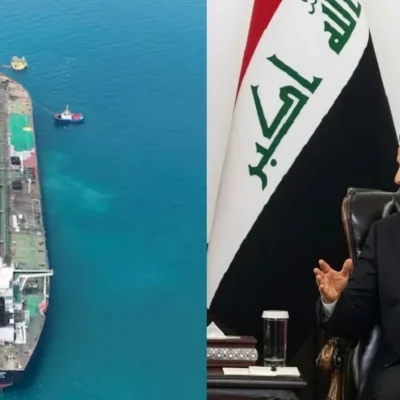
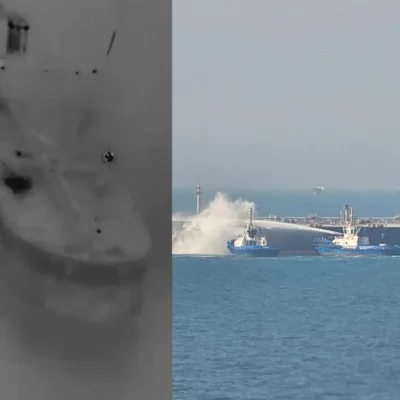
The Strait of Hormuz is one of the world’s most important shipping lanes, and the volume of shipping has been significantly lower than usual, despite the ongoing conflict between Iran. On Wednesday, nine commodity ships sailed through the strait, Kpler shipping data showed, as traffic remains “severely reduced” due to uncertainty over the strait’s status, Reuters reported on August 20.
The turmoil is also impacting energy markets. Brent crude was trading above $91 a barrel, amid concerns of supply disruptions. Pre-war volumes of shipping through Hormuz were still far below, Reuters reported.
The EU has also separately cited Iranian activity in the straits of Hormuz as evidence of the bloc’s concern about freedom of navigation and has sanctioned Iran under its maritime sanctions regime.
A prolonged disruption to one of the energy routes in Europe can lead to higher shipping, insurance and fuel costs. Energy-intensive industries are especially vulnerable to increases in input costs, and transport/goods, logistics, and business/comsumer costs could be higher.
Why This Matters Beyond France
The France-Iran issue is thus not just a diplomatic row between the two nations. It’s a nexus of diplomacy, national sovereignty, suspected Iranian security operations, sanctions, and maritime security.
The expulsion of two Iranian diplomats from France is the direct diplomatic development, while the larger picture is more compelling. Increasingly, European governments are reacting to alleged Iranian security activities outside the Middle East by diplomatic actions, sanctions, and greater security cooperation. The 24 countries’ coordinated statement demonstrates that concerns are not limited to Europe, but are global, including North America and Australia.
Meanwhile, Iran and Strait of Hormuz developments have far-reaching implications beyond the diplomatic realm. Limited shipping via the waterway may impact energy, freight and oil prices, which pose a risk to European industries and households.
The Wider European Challenge
The France-Iran row kind of illustrates why Iran can not be read only through a Middle Eastern lens anymore. Their diplomatic quarrels can stir up broader doubts about European sovereignty, and even day-to-day security. Meanwhile, the alleged Iranian security activity and the disruption around critical maritime routes can ripple into international law, global trade, and energy markets. So for Europe, the problem is shifting toward how to handle relations with Tehran, while still shielding national security, keeping diplomatic norms intact, and maintaining economic stability, all at once.
Discover more Insights
Explore Iran War Lessons Globally?
Explore how the 2026 Iran war reshapes global power and strategy.
Discover Iran Delay Strategy Tactics?
Discover how Iran uses delay, repression, and proxy influence.
Check Trump Iran Strategy Importance?
Check why Trump’s Iran strategy depends on Gulf allies.
Explore Iran Military Warning Signals?
Explore rising warnings from Iran alarming global powers.
Discover Sudan Iran Axis Threat?
Discover how the Sudan-Iran axis raises serious regional concerns.