

Egypt Approves 1GW Solar Project With Battery Storage: What the New Deal Means
-
The Arab Post
- . August 25, 2026
- . Update: August 25, 2026 6:49 pm
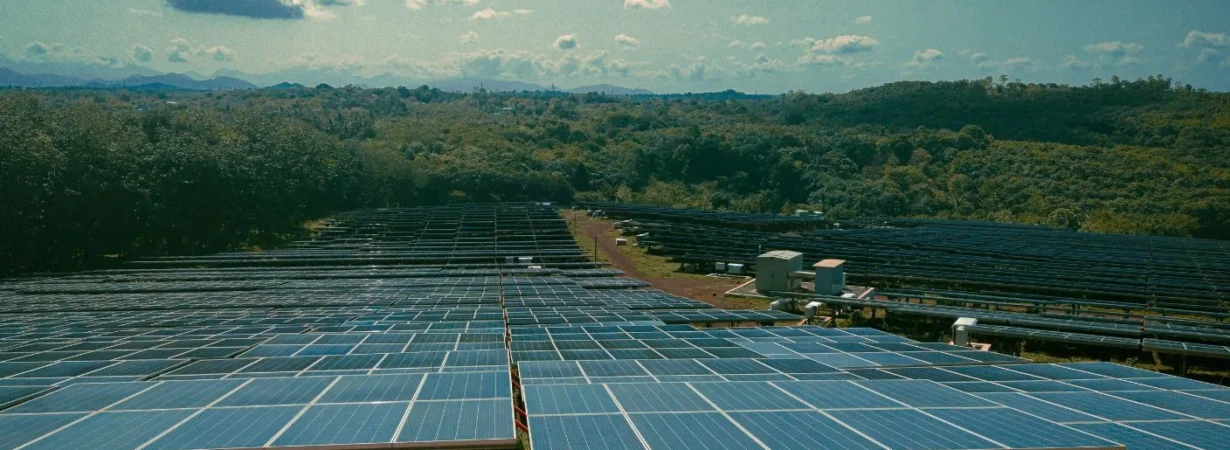
So, the North African energy transition just kinda jumped forward in a big way. In late August 2026, the government quietly and officially approved the Egypt 1GW solar project, which is a groundbreaking thing, and it also blends renewable generation with advanced storage. With the kind of prestigious government Golden License behind it, the Nefer Minya renewable energy complex is now basically set to reshape the nation’s power grid, for real. There’s $750 million sitting in the numbers here, and this transformative solar project with battery storage will deliver steady clean electricity to more than a million homes. Below is a more detailed look at what this arrangement means for Egypt renewable energy and the global climate agenda.
Breaking Down the Nefer Minya Renewable Energy Deal
Developed through a strong joint venture between Infinity Power and Hassan Allam Utilities, the Nefer Minya project is being described as a major landmark. It’s sitting on a 20-square-kilometer site west of the Nile, in the Minya Governorate. This colossal Egypt 1GW solar project is also aggressively planned for completion by September 30, 2027.
The Power of the Battery Energy Storage System (BESS)
Now, what makes it different than a traditional solar farm is that massive 600 MWh battery energy storage system, also called BESS. Solar energy is inherently uneven; it comes and goes, producing power mainly when the sun is actually out. With the utility-scale battery in place, the site can park extra energy during the strongest daylight window, then release it straight to the grid at night, or when demand spikes. That key approach helps keep the electricity stable and dependable, without leaning on fossil fuel backups.
Economic and Environmental Impacts in Egypt
Approving this solar project with battery storage in Egypt has really big consequences for both the local economy and the environment, in real life, not just on paper.
- Job Creation: During the construction stage by itself, it should produce around 2,500 positions—think engineers, technicians, and a lot of local hands—mainly in the Minya region.
- Carbon Reduction: Once everything is up and running, the site is projected to cut carbon emissions by about 1 million tons each year, which is pretty staggering.
- Powering Homes: By using the high-efficiency ABC modules from AIKO, the facility is said to make enough clean electricity to serve roughly 1.4 million Egyptian households.
Fast-Tracking With the Golden License
Also, to speed up these major infrastructure moves, the Egyptian Cabinet, through the State Information Service (SIS), issued the developers a much-sought-after Golden License. This special permit basically bundles all required clearances—such as land allocation and construction permits—into one go, reducing the red tape delays a lot and pushing foreign direct investment more aggressively into the country.
Funding the Future of Egypt Renewable Energy
A project of this magnitude kind of needs solid financial backing. Even though the total investment hits $750 million, Infinity Power, along with its partners, are still actively looking for $170 million in concessional financing from the European Bank for Reconstruction and Development (EBRD). Market analysts over at Enerdata say this kind of support is basically a make-or-break thing, because the government is aiming for a 45% renewables share in the national power mix by 2028.
The quick approval of the Egypt 1GW solar project feels like a real turning point for North Africa’s green transition. When you add huge solar generation capacity together with a modern battery energy storage system (BESS), the Nefer Minya renewable energy initiative seems to fit the future of dependable and sustainable power rather well. With Infinity Power and Hassan Allam Utilities getting ready to start work under the swift go-ahead of a Golden License, this ambitious solar project with battery storage in Egypt sets a strong global benchmark. It tackles climate change pressures at scale while also helping lock in long-term Egypt renewable energy independence.
FAQs – Egypt 1GW solar project
Q1: What is the Egypt 1GW solar project?
A: It is a massive renewable energy plant, often called the Nefer Minya renewable energy project. It includes a 1 gigawatt solar power plant, mixed together with a 600 MWh battery storage facility, and it’s based in the Minya Governorate.
Q2: Who is building this solar project with battery storage Egypt?
A: The project is being shaped through a kind of strategic joint venture between Infinity Power and Hassan Allam Utilities (HAU Energy) , so yeah it’s not just one party.
Q3: How does a battery energy storage system (BESS) work?
A: A battery energy storage system (BESS) grabs surplus electricity that the solar panels make during daytime, then it keeps that energy safely tucked away for later use at night or during peak demand windows, so the supply stays steadier, even when demand jumps a bit.
Q4: When will the Nefer Minya project be completed?
A: The construction of the $750 million facility is planned to wrap up by September 30, 2027.
Discover More Insights
Explore Cairo inflation middle class impact?
Discover how rising prices are affecting savings and daily life.
Check Algeria power plant deadline extension?
Explore updates on the 1.2GW energy project timeline.
Discover Turkey new electricity tariff changes?
Check how updated pricing will impact households and businesses.
Explore Qatar initiative boosting Syria power?
Discover efforts aimed at strengthening Syria’s electricity generation.
Check Beirut balcony lighting energy tips?
Explore efficient lighting ideas for Ramadan and beyond.