

Will Morocco Unpaid Fines Block Your Passport Renewal or Car Sale?
-
The Arab Post
- . October 28, 2026
- . Update: October 28, 2026 5:09 pm
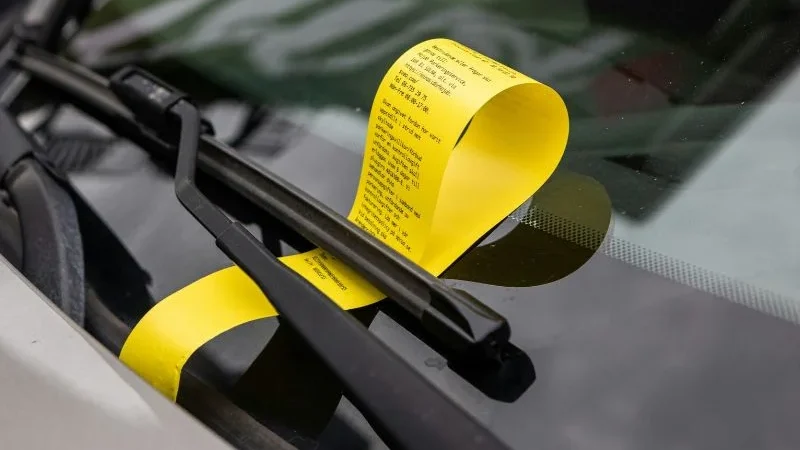
An entirely new idea in the legislative process could soon make it impossible for Moroccans holding legal debts to enjoy the basic services provided by the State. Morocco unpaid fines, A new paradigm in law is in the process of being suggested in the Lawmaking House that might prevent Moroccans with legal debts from enjoying the basic services provided by the State. On Tuesday, October 27, 2026, the government has made a public announcement on its plans to transform the National traffic violations collection system.
Justice Minister Ouahbi announced near parliament that the Moroccan treasury continues to put effort into collecting around MAD 50 billion (USD 5.1 billion) of financial penalties and traffic tariffs from court decisions each year.
The ministry is considering strengthening the incoming closures from administration to cope with this huge shortage in budget resources. The main advice is to have legislation according to which a person will need to pay for his penalties for some period of time before he can conduct any sale of a car in Morocco.
Likewise, the authorities are considering integrating the obligation to settle such legal obligations into the Passeport.ma Portal when renewing passports. The minister also proposed that fines be tied directly to compliance with vehicle taxes for a year, to ensure maximum compliance.
Previous Collection Efforts Fall Short
The state has tried a few times to improve collection rates by making some logistical changes, according to data shared with the House of Councillors.
The government already has a new electronic system for enforcement officers and they also received new motorcycles and direct financial rewards to find violators, Justice Minister Ouahbi said. Despite these modernisations undertaken in conjunction with the National Road Safety Agency (NARSA), however, post-deadline court judgements are still very low.
This makes it the most feasible way for the government to recover lost public money, which is why they feel that linking mandatory public services with debt solution is the logical thing to do.
Protecting Vulnerable Citizens – Morocco unpaid fines
The minister also understood that there was a risk of ‘socio-economic repercussions’ if strict collection blocks were imposed, and publicly admitted that this might have a severe impact on the disadvantaged.
Ouahbi underlined that the final legal text should differentiate between those who are actively avoiding payment and those who simply cannot afford to pay their debts, reports Morocco World News.
He raised a question of what needed to be done by officials when it is impossible for someone to pay his fine. He emphasized the necessity to take into consideration vulnerable citizens, according to reports.
In addition, the major goal of the Ministry is to reach a balance between establishing the regulations on aggressive traffic violations and safety of people while the government is working on these new methods.
Discover More Insights
Explore Cairo inflation middle class impact?
Discover how rising prices are affecting savings and daily life.
Check Algeria power plant deadline extension?
Explore updates on the 1.2GW energy project timeline.
Discover Turkey new electricity tariff changes?
Check how updated pricing will impact households and businesses.
Explore Qatar initiative boosting Syria power?
Discover efforts aimed at strengthening Syria’s electricity generation.
Check Beirut balcony lighting energy tips?
Explore efficient lighting ideas for Ramadan and beyond.