

Syria’s Adra Free Zone Has 400 Investors. Can Investment Become the Engine of Economic Recovery?
-
The Arab Post
- . September 3, 2026
- . Update: September 3, 2026 4:42 pm
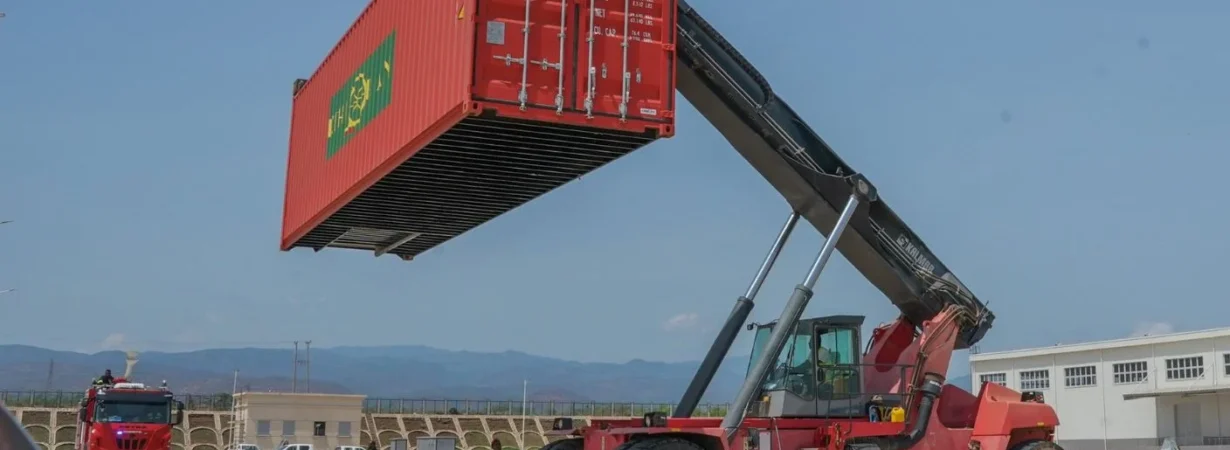
Decades of conflict and crippling isolation left Syria’s industrial hubs in ruins. In September of 2026, however, the strategic Adra Free Zone near Damascus made a staggering achievement, with more than 400 investors and over 80 percent occupancy. Foreign investment is slowly returning as international trade routes are slowly reopening, and sanctions are gradually upended under the new government of President Ahmed al-Sharaa. However, can the one industrial zone revive the Syrian economy in general? Let’s delve into the possibilities that the revival of this business hub in Damascus may be a new, fresh, and prosperous era for investment in Syria.
The Rebirth of the Adra Free Zone
The Adra Free Zone was once one of the biggest free trade zones in the Middle East, but it is now striving to regain its status as a leading logistics and export hub. The zone is ideally situated between the M5 highway and the port of Latakia, and also features newly restored rail links, perfect for regional trade.
Companies within the zone are already exporting products in the Gulf states, such as the UAE and Qatar, and also into Jordan and Turkey, Syria Today (SP Today) reported. Syria has become a reality and not a mere possibility, with a variety of local, Arab and European investors contributing to a growing foreign currency, thanks to the diversification of investors.
Incentives Driving Foreign Capital
So what has caused the resurgence of foreign investment in the country? Adopted the new regulatory system for the General Establishment of Free Zones to make them more appealing to pragmatic investors. Investors today are offered very attractive incentives:
- Tax Exemptions: Large tax break for investors who are constructing new facilities where they intend to conduct operations for a full year.
- Zero-Paper Digital Infrastructure: Full shift towards an efficient, digital customs clearance process to tackle bureaucracy and corruption.
- Reliable Utilities: New equipment for 24-hour power and water electricity and a brand-new fiber-optic communications network.
New Industries and the Push for Syrian Economic Recovery
The recent wave of 400 investors is not only on the import/export business. The Adra Free Zone is moving towards specializing in high-value manufacturing. Production lines for advanced fibre-optic cables will also start up for the first time in the country’s history, in addition to the processing of gold and important food products, the Syrian Arab News Agency (SANA) confirmed.
This is a localized production and an integral part of the overall economy recovery in Syria. The state’s production of technical goods will make use of the valuable foreign exchange reserves and would be able to create thousands of well-paying and stable jobs for the locals.
Infrastructure and the CMA CGM Agreement
In addition to manufacturing, huge investments in logistics are being established. A groundbreaking agreement was reached in 2026 with the French logistics company CMA CGM for the operation of dry ports in Adra and Aleppo, which is creating a great revolution in the supply chain. The Syrian Future Movement emphasized that connecting maritime ports directly to these ports along the inland routes will significantly cut shipping costs and relieve the pressure on land transport networks, making investment in Syria more desirable.
A Blueprint for National Rebuilding?
The positive result of the Adra Free Zone is undeniable, but for Syrian economic recovery to take place, this model needs to be expanded to all parts of the country. A recent $7 billion deal between the Syrian Sovereign Fund and the UAE-based developer Arada for the development of vast real estate, health and education complexes is an example of this. The Economic Times reports that the deal is a testament to the willingness of the Gulf investors to invest huge amounts of money “when it suits them.
The government can ensure transparency, provide legal protections via international arbitration, and keep upgrading infrastructure; the Adra Free Zone will eventually be a blueprint for the rebuilding of the country.
The revival of the Adra Free Zone is more than a story of industrial success; it’s a testament to the country’s resilience. The groundwork for a modern and connected economy on a global scale is already being established with 400 investors already signed up. Assuming that the transparency of regulations and the upgrading of infrastructure keep up this pace, this flourishing commercial center will surely be the main force to boost long-term economic recovery in Syria and investment in the country.
FAQs
Q1: What is the Adra Free Zone?
A: Adra Free Zone is one of the largest industrial and logistic centres in the north of Damascus. It provides tax benefits, continuous supply of utilities services, and simplified customs for the investment from inside and outside the country.
Q2: How many investors are currently in the Adra Free Zone?
As of September 2026, more than 400 local, Arab, and foreign investors have moved into the zone, with more than 80% of its capacity filled.
Q3: How does the Adra Free Zone help Syrian economic recovery?
The Damascus business hub has a strong impact on the long-term Syrian economic recovery, through its role in attracting foreign capital, creating local jobs and supporting exports to the Gulf and neighbouring countries.
Discover More Insights
Explore Cairo inflation middle class impact?
Discover how rising prices are affecting savings and daily life.
Check Algeria power plant deadline extension?
Explore updates on the 1.2GW energy project timeline.
Discover Turkey new electricity tariff changes?
Check how updated pricing will impact households and businesses.
Explore Qatar initiative boosting Syria power?
Discover efforts aimed at strengthening Syria’s electricity generation.
Check Beirut balcony lighting energy tips?
Explore efficient lighting ideas for Ramadan and beyond.