

Iraq Reverts to Oil Export Route via Syria as Hormuz Dispute Poses Energy Export Problems: Where Things Are Headed From Here?
-
The Arab Post
- . September 4, 2026
- . Update: September 4, 2026 4:13 pm
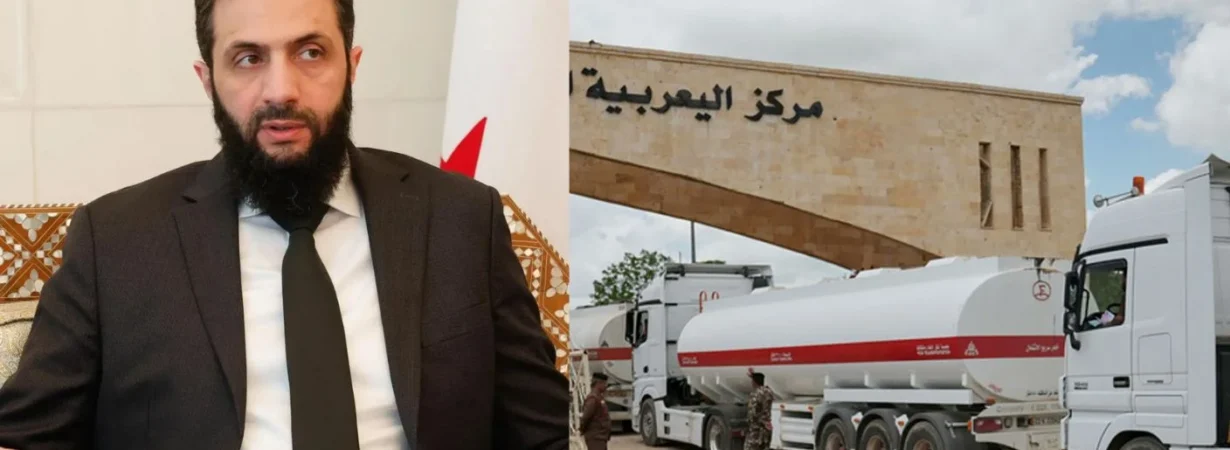
Iraq is making use of land-based tanker trucks for oil transport through Syria as an interim measure due to disruptions in the Strait of Hormuz region, Iraq Oil Route, as Baghdad plans on a much bigger scheme that involves the construction of an oil pipeline connecting Iraq and the Syrian coastal Mediterranean region.
This may serve as a permanent solution for Iraq in the coming years; however, it will take several years before such a pipeline can be developed.
How Iraq Is Shipping Oil via Syria
Shipping oil from Iraq to Syria started when problems in the Gulf disrupted the usual channels of shipping oil from Iraq.
In this setup, the Iraqi oil products are shipped using tanker trucks through the border into Syria and unloaded at the Baniyas port located along the Mediterranean Sea. From here, they can be loaded again for shipment to other countries.
According to Reuters, Baniyas is receiving a large number of tanker trucks, as the port can accommodate up to 900 trucks in a single day.
It is clear that using this channel, Iraq can reach other markets through Syria. The Iraqi fuel oil that was transported through Syria was shipped to other countries such as the US and Europe.
Why Iraq needs an alternative to Hormuz
Strait of Hormuz is an important waterway for shipping oil products from the Middle East, but disturbances made it evident that Iraq is vulnerable through the Hormuz passage.
This hunt for alternatives is thus picking up pace in the region. The alternative plan by Iraq to go through Syria would give access to the Mediterranean Sea and decrease its reliance on this dangerous maritime route.
Nevertheless, tanker trucks can prove to be an expensive option as compared to a dedicated pipeline.
Multi-Billion Dollars Pipeline Project
Iraq and Syria are planning to restore their Kirkuk-Baniyas oil corridor, which has been heavily damaged due to war in the past and has not operated since the 1980s.
According to recent reports, restoration of the corridor is estimated to cost at least $15 billion. Some industry experts claim that the reconstruction of this project might take approximately four years, as most of the existing infrastructure can’t be fixed and thus needs to be constructed again.
The proposed pipeline will connect oil regions of Iraq to the central location of Haditha, from where the route will go through Syria to reach Baniyas.
This route will serve as a huge channel for exporting oil once completed.
Tanker Trucks Are Not a Substitute for the Pipeline
It should be noted that the overland route should be considered a temporary solution for now.
Tanker trucks can continue the delivery of Iraqi goods, but there are issues related to road damage, high cost of transport, security risks, and low capacity. The news agency Reuters has already stated about the queues of Iraqi tankers on the roads of Syria.
Conclusion – Iraq Oil Route
In terms of the current situation, Iraq’s tanker transport to Syria allows the country to continue its exports in the event that the Strait of Hormuz is blocked. However, for Iraq, the long-term plan is connected with the reconstruction of the pipeline between Iraq and Syria.
If such a project is realized, the corridor will allow diversifying the export routes for Iraqi oil and reaching the markets of the Mediterranean Sea.
Discover more Insights
Explore Iran War Lessons Globally?
Explore how the 2026 Iran war reshapes global power and strategy.
Discover Iran Delay Strategy Tactics?
Discover how Iran uses delay, repression, and proxy influence.
Check Trump Iran Strategy Importance?
Check why Trump’s Iran strategy depends on Gulf allies.
Explore Iran Military Warning Signals?
Explore rising warnings from Iran alarming global powers.
Discover Sudan Iran Axis Threat?
Discover how the Sudan-Iran axis raises serious regional concerns.