

Egypt and UAE Renew $1.36 Billion Currency Swap Deal: A New Era for Regional Trade
-
The Arab Post
- . September 30, 2026
- . Update: October 1, 2026 2:17 pm
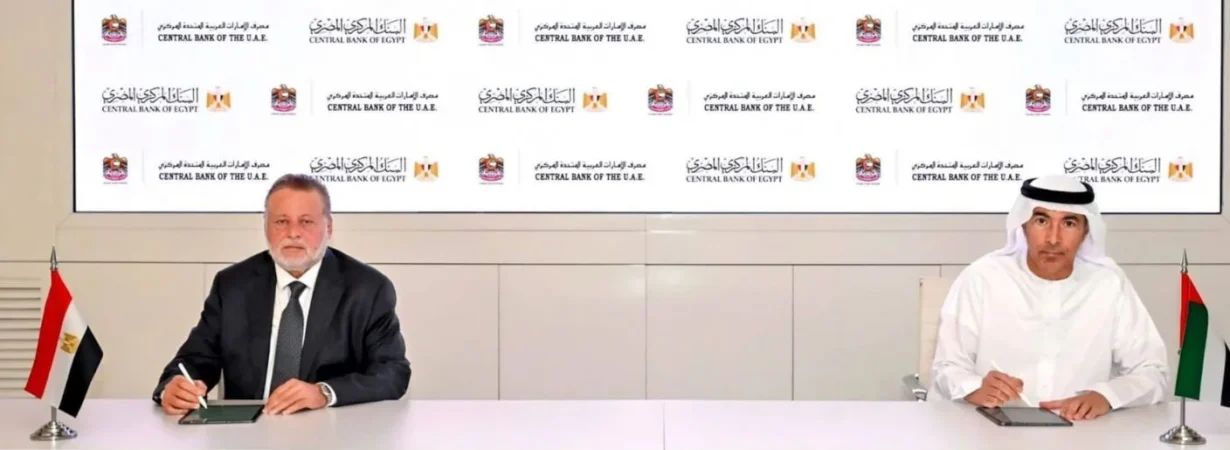
This week, a big economic development in the Middle East is having a positive effect on financial markets. Egypt UAE currency swap, Central Bank of Egypt and the UAE’s Central Bank have formally extended their USD 1.36 billion currency swap agreement for five years. The strategic currency swap between Egypt and UAE enables both countries to trade in their own currency – the dirham and pound – without using the US dollar. This extension aims to ease foreign reserve strains and to boost the economic ties between Egypt and UAE in the era of financial restructuring in the world.
Understanding the $1.36 Billion Currency Swap Deal
The financial system of the Middle East is changing quickly. The new financial deal was set up to provide macroeconomic stability and provides for the exchange of up to 5 billion UAE dirhams and 42 billion Egyptian pounds.
The initiative, which makes it easy to exchange currency at a local level, will significantly diminish the transaction friction and expenses involved in foreign trade. Both the UAE and the Egyptian Central Banks are making a strong statement that regional economic integration is a high priority for both countries.
Why the Shift to Local Currency Exchange Matters
Using the dollar for bilateral trade could expose emerging markets to risks, particularly in respect of changes in US interest rates. The local currency exchange mechanism, which Cairo and Abu Dhabi adopted, is a mechanism that shields the local markets from external shocks.
Such deals, such as an Egypt and UAE currency swap, are emerging as vital weapons for the developing world’s economic analysis, according to Reuters. These serve as a crucial liquidity cushion and help to keep key imports and exports flowing without any disruptions even in the face of global dollar scarcity.
Key Benefits of the Egypt and UAE Currency Swap
The $1.36 billion currency swap agreement will bring several short-term concrete advantages to both economies. The deal gives the Central Bank of Egypt welcome relief from inflationary pressures in the local market as it strives to stabilize the economy.
Here’s the top five benefits of this five-year renewal:
- Easing Foreign Reserve Pressures: Egypt will be able to use its US dollar reserves for debt servicing, as well as for vital foreign purchases, by allowing trades to be settled in local currency.
- Boosting Bilateral Trade Volumes: Encouraging deeper commercial ties between the Egyptian and Emirati private sectors through providing reduced transaction costs.
- Enhancing Regional Financial Stability: Finance policy coordination will help to improve regional financial stability and protect both countries from global currency market fluctuations.
Strengthening Egypt UAE Economic Relations
This is a pivotal element in Egypt UAE economic relations. The UAE is currently the biggest FDI player in Egypt. The economic connections – from massive urban development initiatives such as Ras El Hekma to investments in renewable energy – are unprecedented.
Strong foreign partnerships and structural financial reforms have been a constant theme in World Bank’s overview of the country and are essential to Egypt’s long-term development. In addition, the Egypt State Information Service (SIS) also emphasized the importance of the partnership with the Gulf allies to Egypt’s economic vision 2030.
Official Statements and Market Impact
The renewal has been welcomed by officials of both the Central Bank of the UAE and the Central Bank of Egypt. Both the institutions are putting up a very high degree of trust as they have agreed to this $1.36 billion currency swap arrangement for five more years.
The UAE’s central banking authority is the official source for announcements on official monetary policies and bilateral agreements:
The Central Bank of Egypt also pointed out the possibility of the continuation of similar deals with other BRICS and regional partners, as these countries are keen to permanently ease foreign currency pressures on their reserves.
The extension, for another five years, of the $1.36 billion currency swap agreement is a key development in Middle Eastern trade. This comprehensive Egypt and UAE currency exchange initiative is a proactive response to foreign currency shortages, and it promotes the advantages of using local currencies. Central Bank of Egypt and the Central Bank of the UAE are expanding their cooperation, and this historic agreement will provide a solid foundation for the development of more robust and resilient Egypt UAE economic relations in the years ahead and beyond.
FAQs – Egypt UAE currency swap
What is the Egypt and UAE currency swap?
It is a monetary arrangement between the Central Bank of Egypt and the Central Bank of the UAE facilitating the exchange of an amount of up to 42 billion Egyptian pounds in return for 5 billion UAE dirhams, thereby eliminating the need for the dollar in trade transactions between the two countries.
How does the $1.36 billion currency swap deal help Egypt?
The agreement reduces the burden on the country’s foreign reserves, as Egypt can now pay for imports from the UAE in the local currency, saving its dollar reserves for other international transactions.
Why is local currency exchange becoming more popular?
Exchange of local currencies helps to reduce transaction costs, making it possible to perform transactions faster and protecting local economies from the fluctuations of the US dollar market, ensuring greater strengthening of trade economic relationships between Egypt and the UAE.
Discover More Insights
Explore Cairo inflation middle class impact?
Discover how rising prices are affecting savings and daily life.
Check Algeria power plant deadline extension?
Explore updates on the 1.2GW energy project timeline.
Discover Turkey new electricity tariff changes?
Check how updated pricing will impact households and businesses.
Explore Qatar initiative boosting Syria power?
Discover efforts aimed at strengthening Syria’s electricity generation.
Check Beirut balcony lighting energy tips?
Explore efficient lighting ideas for Ramadan and beyond.