

Europe Broadens Muslim Brotherhood Scrutiny From Violence to Networks and Influence
-
The Arab Post
- . October 6, 2026
- . Update: October 6, 2026 7:16 pm
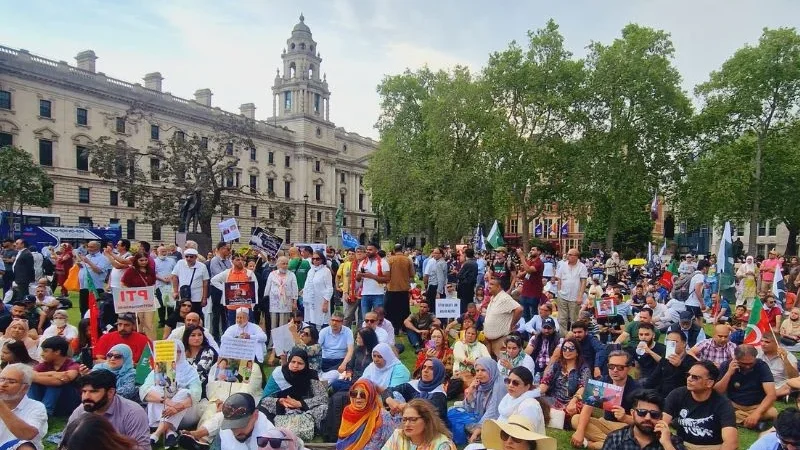
The European discussion of the Muslim Brotherhood is catching up with a focus on the larger context in which influence is constructed and consolidated beyond the issue of violence and extremism. This is a change that was recently brought to light by Le Pont de Genève, which has recently focused on the funding, associations, institutions and alleged “networks of influence” of the Muslim Brotherhood in Europe.
The same subject is featured in another article in the Italian news portal, Il Sole 24 Ore – “The European Debate on the Muslim Brotherhood Puts Its Influence Strategy Under Scrutiny”, which explores the emerging conversation in Europe over the alleged influence strategy of the Brotherhood. Other developments mentioned in EU Reporter
– “Beyond Violence: Europe’s New Focus on Muslim Brotherhood Networks” include those in France, Germany, Ireland and in Brussels.
The on-going debate is complicated politically and legally and requires a clear distinction between allegations and political proposals and decisions.
France Pushes the Debate Beyond Extremist Violence
France is playing a key role in the European discussion. The French political debate has become more and more focused on organisations, associations and institutional structures allegedly under the influence of the Brotherhood, according to the report of the EU Reporter.
Calls for enhanced action against what some French politicians call ‘Islamist “entryism”’, where efforts to gain influence are being made via civic, religious, or social institutions, have been part of the discussion as well.
Political proposals should not be equated with accomplished lawsuits, however. The fact that a Parliamentary resolution is in favor of European-level consideration of the Brotherhood does not make it automatically an EU terrorist designation. If there are any reported associations with specific organisations, these too should be reported on the names of the relevant reporting or authorities and not be accepted as fact without independent verification.
Germany Examines Strategic and Institutional Influence
Germany is representative of another aspect of the evolving debate. German experts and politicians have been talking more and more about other manifestations of Islamism which they think may try to exert long-term social or political influence rather than resorting to violence as their main weapon.
This has raised broader issues of government response where concerns relate to associations, community and/or ideological networks.
This type of security evaluations are different from criminal convictions. Allegations made against an organisation do not necessarily constitute unlawful behaviour and investigations into suspected networks are not the same as a conviction against all organisations or individuals that are alleged to be involved.
Ireland Adds Security and Community Concerns
The possible existence of Brotherhood networks has been a topic of discussion in Ireland as well. EU Reporter picked up a concern raised by Irish security/policing officers about networks and political Islam linked to an extremist activity.
The Irish debate is a good example of why the attribution is of special significance. Political implications can be important if there are any claims of alleged ties to the mosques, association or other community organization, but claims should be clearly labeled as claims, and not supposed to be true, unless an authoritative legal or governmental determination supports such claims.
The European debate is not only taking place over the question of whether violence has taken place. It questions inter alia organisations about the way they raise money, run institutions, maintain relationships and in the future may have more influence.
Brussels Brings the Question to the EU Level
The question’s also gaining traction in Brussels, the EU capital. Le Pont de Genève is about networks and influence, and EU Reporter is reporting on the discussions of European lawmakers and allegations of organisational relationships.
It is not to say that Brussels has made a concerted decision to pursue a European policy towards the Muslim Brotherhood. National governments, political parties, lawmakers and European institutions can have different opinions and the words of individual politicians should not be attributed to the EU as a whole.
The same is true for organisations that are being accused of having links with Brotherhood. If such organisations deny or refuse to accept allegations or claims they are not affiliated with, these denials or omissions form part of the factual record, and should be included with the allegations.
What Is Established and What Remains Disputed? – Muslim Brotherhood in Europe
The most significant difference between the debate of security concerns and politics and the legal decisions made is that the legal decisions have been fixed.The most important difference between this debate on security concerns and politics and the legal decisions made is that these legal decisions have been made and are set in stone.
Restrictions are considered by European countries, funding is looked at and/or legislation is considered if there are alleged networks. None of those actions should be deemed automatically to be proof of criminal activity or formal designation.
Above all, the EU should not be called for having declared the Muslim Brotherhood a terrorist organisation. Political demands for such action can’t be equated with a legal ruling across the EU.
But the debate in Europe is evolving. The structures that are increasingly under scrutiny – from the three publications – are those of the alleged Brotherhood influence: funding channels, associations, institutions and cross-border networks. The challenge for policy makers and the media is to consider those concerns seriously, but also to differentiate between the evidence presented and what the politicians say and what is being disputed.
Top Picks For You
Explore best education systems worldwide?
Discover the top countries offering world-class education systems and global academic excellence for students.
Check best countries for Arabs 2026?
Explore the most welcoming destinations and immigration options for Arab students and professionals in 2026.
Discover top Saudi scholarships available?
Check the best fully funded Saudi Arabia scholarships open for international and Arab students.
Explore AI impact on Arab education?
Discover how AI is transforming education systems discussed at major Arab conferences.
Check Saudi universities global rankings?
Explore how Saudi universities perform in world academic rankings and global education standards.