
Saudi Arabia’s Role in Sudan: Red Sea Strategy, Mediation and Influence
-
Dhivyanshu
- . October 11, 2026
- . Update: October 11, 2026 1:00 pm
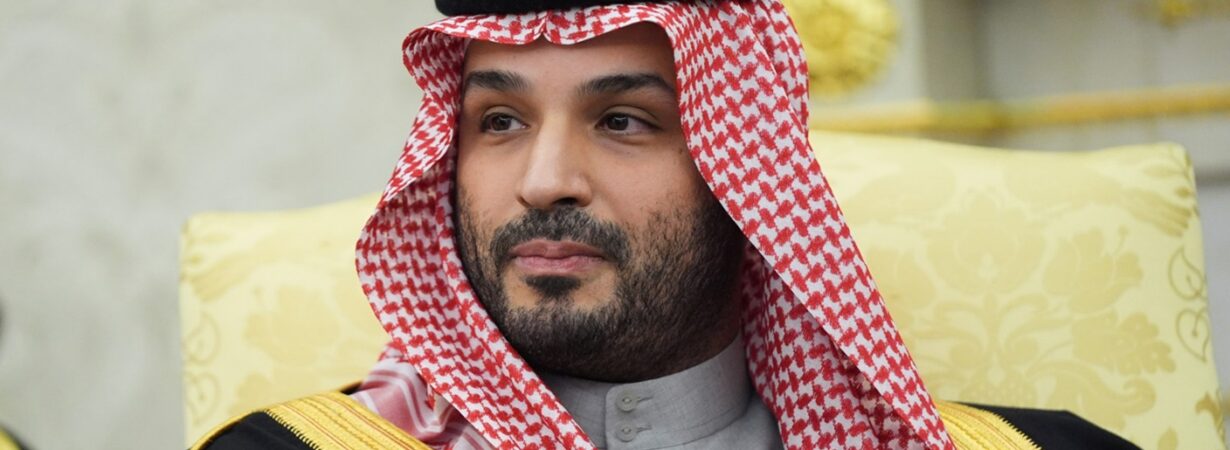
The civil war in Sudan poses a diplomatic, economic, and security challenge across the region and the Red Sea. Saudi Arabia presents not only a humanitarian crisis for Sudan, but also a geostrategic boon because of its geographic location, natural resources, and its coast-line, making it a key player in the ambitions of Riyadh regionally.
Since the beginning of the conflict between the Sudanese Armed Forces (SAF) and the Rapid Support Forces (RSF) in April 2023, Saudi Arabia has been actively involved in the diplomatic process while being continuously engaged in business dealings in Sudan. The dilemma is whether or not the Saudi approach is effective in creating conditions for peace or whether these relations are self-sustaining and complicating the political situation in Sudan.
Saudi Arabia’s Strategic Interests in Sudan
Sudan’s Red Sea coast means that it lies across from Saudi Arabia, thus raising the stakes on maritime security and stability for Riyadh. Port Sudan is, therefore, now more of a diplomatic and logistical hub for Sudan’s government, which is closely aligned to the army, during the conflict.
Food security and agriculture are not only equally important, but they are interrelated. Sudan is endowed with livestock, fertile land and natural resources which present Saudi Arabia with opportunities for imports, investment and for the medium and long-term, economic cooperation. Other areas that might be important in the recovery of Sudan’s economy include mining, gold, and infrastructure and reconstruction.
A major step forward was followed up in August 2026 with the formation of a supreme strategic coordination council in ten sectors between Sudan and Saudi Arabia. The agreement had “security and geopolitical implications” in addition to its economic goals, Sudan Tribune reported.
The deal may increase Riyadh’s institutional ties with the authorities of Sudan. But its real-life value will be determined in terms of the projects that are put into practice, how well these projects are carried out and what impact such relationships actually have. The announcement does not make it clear whether Saudi Arabia does want to control the resources of Sudan or what’s its political fate.
Jeddah Mediation: Why Has Peace Remained Elusive?
Another important measure of Saudi Arabia’s influence is the fact that it is acting as a mediator in the region.
Saudi Arabia and the USA hosted the Jeddah Declaration on May 11, 2023, in which the SAF and the RSF pledged to protect civilians, to allow humanitarian assistance and to focus discussions on a short-term ceasefire leading to negotiations for a permanent cessation of hostilities.
The commitments did not lead to a lasting settlement, however, because of the lack of negotiations. Fighting showed the failures of agreements without any implementation and pressure on the aggressors.
This result opens up doubts on Riyadh’s diplomatic abilities and coordination with Washington. In addition, Saudi Arabia’s strategic interests could create problems with the perception of its neutrality as it is building ties with army-aligned authorities.
But the breakdown of Jeddah is not an isolated event which proves that Saudi interests were responsible for the breakdown of peace. For a better evaluation, one could look at specific actions taken in the diplomatic arena, reactions to violations, and proof that Saudi action or inaction influenced the politics of either side.
The crucial test will be whether Riyadh can make the access to belligerents commitments, or yet another set of talks with no enduring effects.
Power Centres and the Red Sea Rivalry
The opportunities for Saudi Arabia’s diplomacy are determined by its relationship with the Sudanese military leaders, political elites, businesses and civilian groups.
Some studies on the dynamics of the conflicts have presented Saudi Arabia as a supporter of the SAF, and the United Arab Emirates (UAE) as a supporter of the RSF. These are still controversial relationships, and the respective contensions are not to be mistaken for individuals or institutions being directly controlled by the Saudis in Sudan. The UAE has rejected claims it was supplying arms to RSF.
The overall regional competition is becoming more and more important. Said Arabia is looking to offset growing influence by the Emirates in the Red Sea and Horn of Africa, according to The Washington Post in January 2026. Sudan was one of the countries mentioned in the report where regional dynamics clash.
Riyadh is not just worried about on the battlefield. Maritime access, regional shipping routes, and the port of Port Sudan are part of an overall strategic landscape linked to the economic diversification and Vision 2030.
The regional rivalries may have an impact on Saudi Arabia’s leadership and future reconstruction in Sudan. But before claiming that link, you need to show evidence of policy decision-making process, financial connections or diplomatic engagements and not just the existence of competing interests.
Following the Money: Trade, Investment and Reconstruction
Official Saudi trade statistics provide a measure of the economic relationship.
In 2025, Saudi exports to Sudan were estimated at SAR 3.9 billion and the imports from Sudan were estimated at SAR 2 billion, according to DataSaudi. Products like vehicles, mineral fuels and sugar were the top Saudi export items and live animals were the top Saudi imports from Sudan. However, exports in July 2026 amounted to SAR 281.1 million while imports were SAR 173.8 million.
These are large numbers—it’s a big business relationship—but it doesn’t necessarily show political leverage.
Any good assessment of Saudi influence should consider investment announcements, contractual agreements, investment of capital and the projects that are in operation. It should investigate into agriculture, livestock, mining, gold, infrastructure, ports, banking, trade and reconstruction.
The main economic issue is whether commercial agreements are simply to the mutual benefit or whether they also could offer a future incentive for Riyadh to maintain ties with specific Sudanese government officials following the war.
To answer that question one must have a documented evidence of investment flows, contracts and the impact these have on Sudan’s political and economic decisions.
Humanitarian Consequences and Accountability
This crisis is still a civilian one, in Sudan. Conflict, displacement and access constraints have persisted to hinder humanitarian efforts, and an estimated 19.5 million people are acutely food insecure, according to World Food Programme.
Saudi Arabia has also been sending humanitarian aid via the King Salman Humanitarian Aid and Relief Centre (KSrelief). The published data show that there are 287 Sudan-related projects, and about US$196.7 million was reported for these projects. These are data reported by agencies and project-level information on delivery, beneficiaries and outcomes is needed to assess their impact.
While humanitarian assistance plays a crucial role in Saudi Arabia’s engagement, it cannot resolve issues regarding the broader impact of regional diplomacy. An accountability assessment should assess the contribution of diplomatic action to increased access to aid, greater civilian protection and/or conditions for a lasting ceasefire.
It also should separate between the actions of Saudi Arabia and other external actors on the one hand, and the actions of the SAF and RSF on the other. Proof of responsibility should be based on evidence, not geopolitical considerations of responsibility.
Saudi Influence Must Be Measured by Its Consequences
Riyadh has many interests in Sudan because of Saudi Arabia’s strategic location, economic ties, and ties in Jeddah. Another formal line of development for the relationship is via the Strategic Coordination Council.
But influence is not control, and commercial interests do not necessarily equate to responsibility in extending the conflict.
Whether Saudi Arabia leverages its diplomatic, economic and regional power is the key point to consider. The question of whether Riyadh supports a credible, civilian-inclusive political settlement or focuses on establishing strategic relationships, with no tangible moves towards peace, will be assessed by its actions and results.
The end goal of regional participation should be to lower the cost of war for Sudan, facilitate humanitarian access, and create a political future that benefits Sudanese people and not competing outside interests, in Sudan’s case.
Explore More Must-Reads
Explore current vs savings account differences?
Discover how choosing between current and savings accounts can impact your daily banking and long-term financial planning.
Explore Cairo living costs 2025–2026 trends?
Check how rising expenses and inflation are shaping everyday life and budgeting in Cairo for residents.
Explore Amman jobs and living reality?
Discover real salaries, job opportunities, and actual living costs in Amman before making a move.
Explore best countries for Arabs 2026?
Check top destinations, visa options, and opportunities for Arabs planning to relocate in 2026.
Explore Morocco gig economy earnings and taxes?
Discover platforms, income potential, and tax rules shaping Morocco’s growing gig economy.