

How Egypt Kept Its Economy Afloat Amid Regional Turmoil
-
 The Arab Post
- . November 15, 2026
- . Update: November 23, 2026 12:42 pm

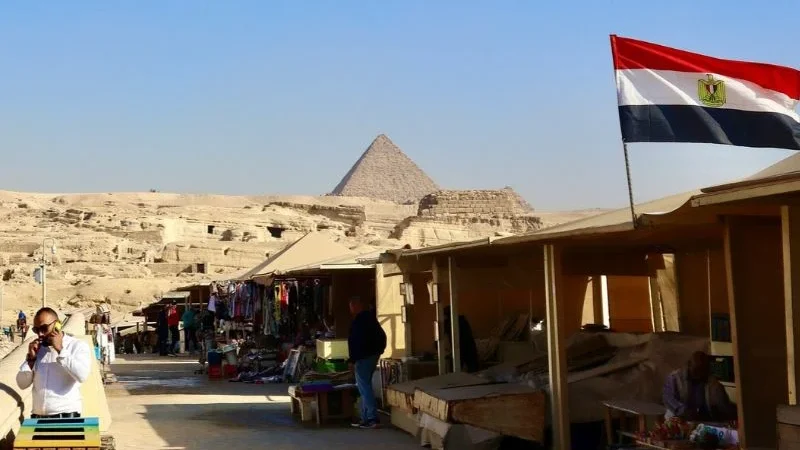
Egypt economic resilience has been tested by years of shocks from Russia’s 2022 invasion of Ukraine and the resulting surge in food and fuel prices, the Gaza war and Red Sea shipping attacks.
Yet the country has avoided a broader downturn, helped by policy changes, outside funding, remittances and tourism. Growth has held up, but household budgets and public finances remain under pressure.
A financial lifeline at a critical moment – Egypt economic resilience
In February 2024, UAE-backed ADQ agreed a $35 billion deal tied to the Ras El-Hekma coastal development, bringing a major inflow of foreign currency as Egypt faced shortages. Egypt also secured support from the International Monetary Fund (IMF) and other partners. In March 2024, authorities allowed a more flexible exchange rate and raised interest rates to restore confidence and bring currency trading into formal channels.
The IMF later said, “Exchange rate flexibility absorbed external pressures.” When tensions rose again in 2026, the pound fell about 14–17% and foreign investors pulled money from local government debt. As pressures eased, investors returned and the pound recovered much of its initial losses.
Remittances and tourism soften the blow
Money sent home by Egyptians working abroad became a key buffer. Remittances reached a record $47.3 billion in the 2025/26 fiscal year, up 29.6% from the previous year, according to Egypt’s central bank. Tourism also remained resilient.
Better access to foreign currency helped manufacturers import supplies, while tourism and communications supported output. Gross domestic product (GDP) grew 5.3% in the first half of fiscal year 2025/26, compared with 3.9% a year earlier, the World Bank reported.
Suez Canal recovery remains incomplete
Suez Canal fees were among the key sources of foreign currency for Egypt during the Red Sea crisis. In 2025/26, the average number of ships using the canal was approximately 39, whereas the number of ships was 73 in 2023. Receipts were up to approximately $390 million, from $310 million in 2024/25, but still less than half of the value of receipts in 2023, which were around $850 million. This slow recovery was welcome, but the income loss is significant.
Resilience is not the same as recovery
Prices and borrowing costs are still high, and there is a lack of access to affordable food even though prices have started to moderate from their peak of 38% in late 2023 to 14.3% in June 2026. Restrictions on money for services and investment due to public debt and interest payments. The pace of reforms aimed at decreasing the state’s influence on business and promoting private business expansion has been inadequate. Rebuilding the conflict may lead to a rise in the cost of energy, to a decay of tourism and to a new disarrangement of shipping.
Egypt’s experience has taught us that the introduction of flexible exchange rates and foreign assistance and regular inflows can provide time when shocks strike. This isn’t another emergency rescue, but more jobs, more private investment, less debt and protection for vulnerable families that will ensure lasting security.
Discover More Insights
Explore Cairo inflation middle class impact?
Discover how rising prices are affecting savings and daily life.
Check Algeria power plant deadline extension?
Explore updates on the 1.2GW energy project timeline.
Discover Turkey new electricity tariff changes?
Check how updated pricing will impact households and businesses.
Explore Qatar initiative boosting Syria power?
Discover efforts aimed at strengthening Syria’s electricity generation.
Check Beirut balcony lighting energy tips?
Explore efficient lighting ideas for Ramadan and beyond.