

Djibouti Emploi Launches: How the New Jobs Portal Connects Workers and Employers
-
The Arab Post
- . August 26, 2026
- . Update: August 26, 2026 7:14 pm
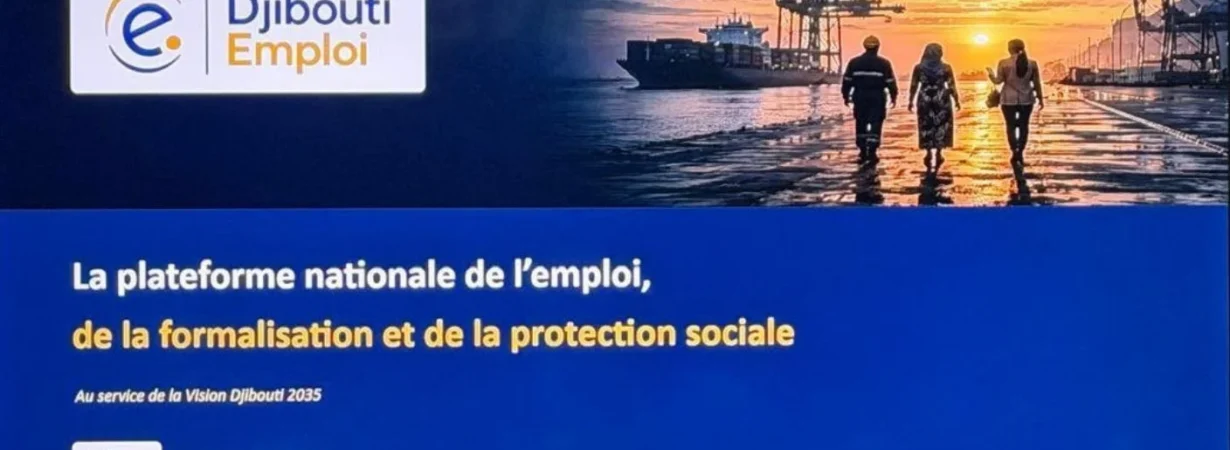
The digital transformation of the job market in the Horn of Africa is huge. On the 25th of August 2026, the Government officially announced the launch of its long-awaited national digital platform Djibouti Emploi which aims at modernizing the labor sector. Djibouti Employment portal, Introduced by the Ministry of Labour, and led by Minister Yonis Ali Guedi, the centralized jobs platform in Djibouti will help address unemployment by connecting local skills and jobs with real-time opportunities. It will directly link employers and workers on the unified Djibouti Employment platform and the government is thus taking a significant step towards a highly skilled, future-ready and transparent national workforce.
Inside the New Djibouti Employment Platform
Traditionally, job search and recruiting quality staff in the country depended on accessing a variety of poorly organized job boards and on “grassroots” networking. The new Djibouti Emploi website puts a stop to that story. The platform integrates all the parties involved in recruitment, including job seekers, private companies and government institutions and removes the traditional obstacles in recruitment faced by Djibouti.
The initiative comes in the wake of the urgent need for digital inclusion as reported by Dawan Africa in the region. It provides an open and accessible platform to find authentic positions in the public and private sectors, for both fresh graduates and experienced professionals.
Key Features Benefiting the Labor Market
This new djibouti jobs portal is a more than just a job board – it is a full career development environment. It has the following main characteristics:
- Centralized Talent Pools: Job seekers build comprehensive digital profiles and upload standard CVs, allowing them to be seen by top recruiters right after upload.
- Direct Employer Access: Post Vacancies, Filter Candidates by skills, Hire digitally with Direct Employer Access – Local businesses and international firms can post vacancies, filter candidates by specific skills, and manage the entire hiring process digitally.
- Government Oversight: Governments can effectively monitor the market as well as youth employment through national labor information to fine-tune vocational training programmes.
The Role of ANEFIP and National Partners
The Djibouti Emploi portal is largely based on the contribution of the state institutions, in particular the National Agency for Employment, Training, and Professional Integration (ANEFIP). ANEFIP, as the main organization for workforce development, will take advantage of the platform to more effectively target its current training programs.
This digital shift is congruent with the nation’s overall development plan, ‘Vision 2035’ that is strongly backed by international organizations. In Djibouti, for example, the World Bank monitored a number of programs that highlight the need to leverage technology to maximize human capital to ensure long-term economic growth. Furthermore, it is a government-led platform and complements the private and regional platforms such as the Africa Talent Network that is actively working to increase the visibility of Djiboutian professionals in Africa.
Opportunities Beyond the Private Sector
The Djibouti Employment platform will also be a portal for specific jobs, although the primary job is to connect businesses to talent. The portal enables professionals to follow national projects carried out by the Government’s ministries in connection with their international NGO partners, often highly sought-after positions in the humanitarian or development sector in Djibouti.
Djibouti Emploi’s launch represents a giant leap for the labour market in the Horn of Africa. The government has set up a simple and effective system for economic empowerment through its launch of a highly intuitive Djibouti jobs portal, which directly links workers and employers. With its ability to streamline hiring processes, enhance professionalism, and create new opportunities for youth in Djibouti, the Djibouti Employment platform is well equipped to deliver significant benefits to the country’s work seekers. The Djibouti Employment platform is poised to bring major improvements to the country’s workforce by simplifying job applications, improving professional standards, and opening new career paths.
FAQs – Djibouti Employment portal
Q1: What is the Djibouti Emploi platform?
Djibouti Emploi is a new centralized, national digital platform which allows the easily matching of job seekers and employers in Djibouti.
Q2: Who launched the new Djibouti jobs portal?
The platform was launched on 25th August 2026 by the Ministry of Labour, led by Minister Yonis Ali Guedi.
Q3: Does the platform only feature government jobs?
A: No. Djibouti Employment platform will have job posts from both public and private sector companies in different sectors.
Q4: How does ANEFIP support this initiative?
A: ANEFIP uses the information provided by the platform to follow the evolution of the employment market, draw out skill gaps, and conduct targeted professional training and integration initiatives for youth.
Discover More Insights
Explore Cairo inflation middle class impact?
Discover how rising prices are affecting savings and daily life.
Check Algeria power plant deadline extension?
Explore updates on the 1.2GW energy project timeline.
Discover Turkey new electricity tariff changes?
Check how updated pricing will impact households and businesses.
Explore Qatar initiative boosting Syria power?
Discover efforts aimed at strengthening Syria’s electricity generation.
Check Beirut balcony lighting energy tips?
Explore efficient lighting ideas for Ramadan and beyond.