
Lebanon’s Government Faced with Demands for Hezbollah Disarmament: What Will Happen?
-
The Arab Post
- . August 15, 2026
- . Update: August 15, 2026 5:29 pm
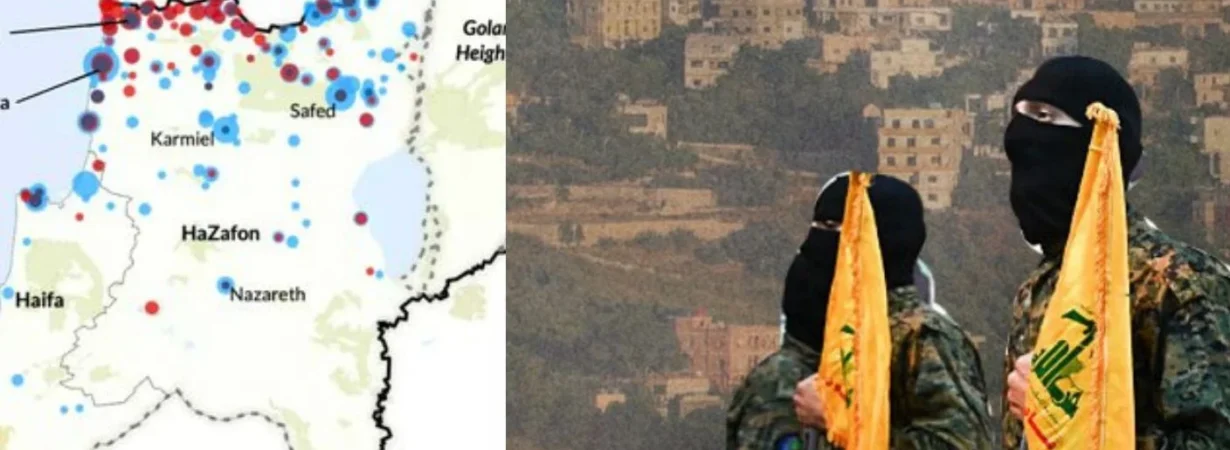
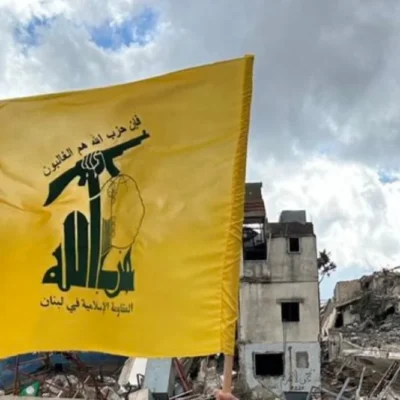
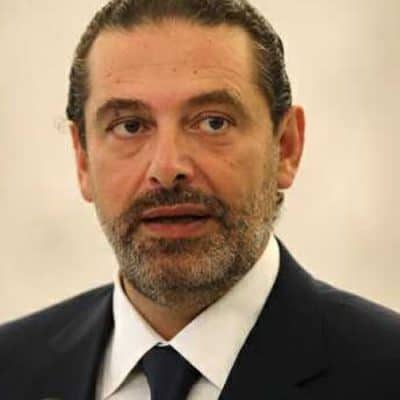
The Lebanese government is now being put under pressure to form a monopoly over weapons and disarm Hezbollah, thereby provoking a serious crisis with Hezbollah and Israel.
Hezbollah Crisis, President Aoun and PM Nawaf Salam of Lebanon have supported efforts aimed at creating a state monopoly over all weapons, while Hezbollah has refused to do so, saying that disarmament will make Lebanon a target of Israeli attacks.
Government Aims for State Monopoly
The government of Lebanon has officially embarked on a process of prohibiting military operations of Hezbollah to assert itself as a state and enforce resolutions of the international community.
These moves have been widely supported by the US and other Western partners of Lebanon who want a mechanism for monitoring the disarmament of Hezbollah and expanding the role of the Lebanese Armed Forces in the south of Lebanon.
Nonetheless, implementation of the policy will be challenging. Hezbollah wields considerable political and military clout, especially in regions where the state of Lebanon has always found it challenging to assert its influence fully.
Hezbollah Rejects Disarmament Pressure
The leader of Hezbollah, Naim Qassem, has been against the government’s policy and claims that the Lebanese government is succumbing to pressure from both Washington and Israel.
The group claims that disarming in the face of Israeli presence in some parts of southern Lebanon will compromise the security of the country. Thus, Hezbollah stands in opposition to the efforts made by Beirut in an attempt to establish military control within the state of Lebanon.
This conflict is thus not only about weapons but also about the country’s security policy, its relations with Israel, and the country’s political dynamics.
Why the Lebanese Army Finds It Challenging
Lebanese Armed Forces will finally be expected to implement the disarmament policy, but forcing its way into Hezbollah-controlled territories will pose many challenges.
A clash may lead to fights, deepen existing divisions, and may even split the army. Thus, the Lebanese government will prefer a more phased way for handling the issue rather than an immediate disarmament of the country.
International supervision might be crucial for this task. According to reports, such countries as Britain, Italy, Switzerland, and Indonesia have been mentioned as possible participants in the process of verification of disarmament actions and handing over the security functions to the Lebanese forces.
What is Going to Happen Next? – Hezbollah Crisis
The talks, which are planned to take place in Rome under U.S. sponsorship at the beginning of September, will define the further strategy of actions.
The main thing to do here is to see whether Hezbollah agrees to surrender or dismantle its military structures step by step, and whether Israel will make appropriate steps towards withdrawal from southern Lebanon.
For the Lebanese government, it is crucial to consolidate its authority without triggering any new conflicts. For Hezbollah, it is necessary to estimate the possibility of their further existence under the increased pressure.
If the talks fail, Lebanon will have to deal with political stagnation, constant pressure from Israel, and increasing confrontation with Hezbollah.
Discover more Insights
Explore Iran War Lessons Globally?
Explore how the 2026 Iran war reshapes global power and strategy.
Discover Iran Delay Strategy Tactics?
Discover how Iran uses delay, repression, and proxy influence.
Check Trump Iran Strategy Importance?
Check why Trump’s Iran strategy depends on Gulf allies.
Explore Iran Military Warning Signals?
Explore rising warnings from Iran alarming global powers.
Discover Sudan Iran Axis Threat?
Discover how the Sudan-Iran axis raises serious regional concerns.