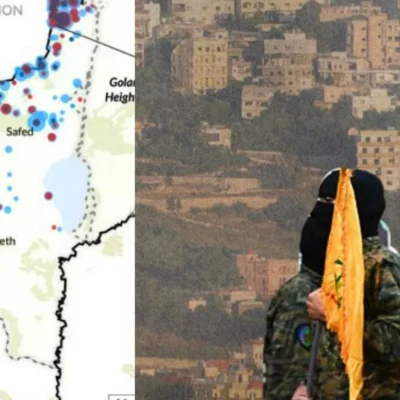

Lebanon Faced with New Security Challenges Amid Heated Hezbollah Disarmament Debates
-
The Arab Post
- . August 13, 2026
- . Update: August 13, 2026 5:19 pm
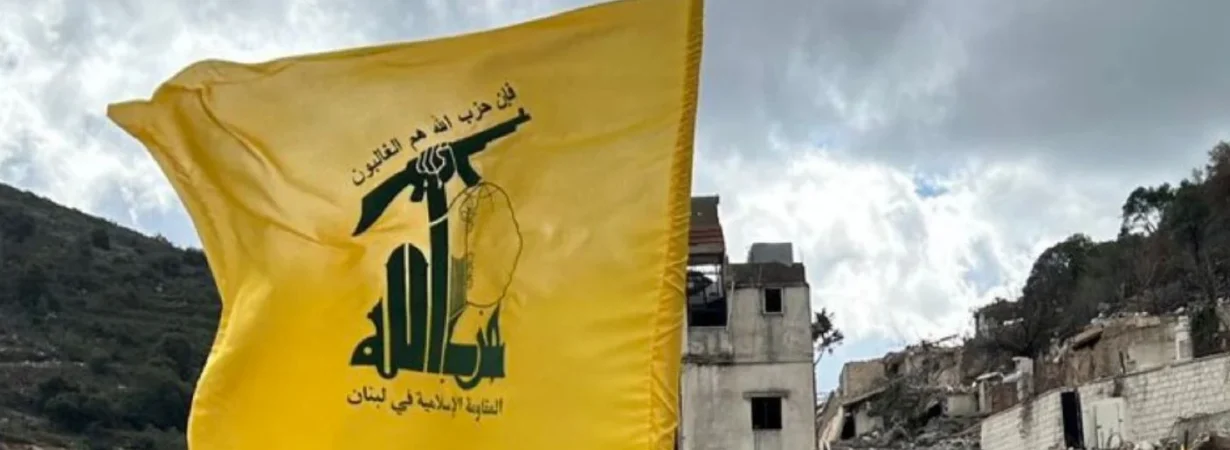
Lebanon finds itself facing a new security challenge as the debate around international supervision of Hezbollah disarmament process heats up. Sources reveal that Israel and Lebanon are considering the participation of Britain, Italy, Switzerland and Indonesia in a monitoring system that will help verify the disarming process of Hezbollah.
The negotiations come after a seventh round of US-brokered talks in Rome and form part of a June plan which will link the phased Israeli withdrawal from southern Lebanon with the disarming of Hezbollah.
The proposed mechanism could prove to be a crucial test as far as the sovereignty of Lebanon in areas where Hezbollah maintains its powerful arsenal is concerned.
International Monitors Could Play a Crucial Part
Britain, Italy, Switzerland and Indonesia are the names of countries being considered for their possible role in a monitoring system in the future.
Some of the possible responsibilities of these individuals might be to deploy personnel to assist in inspection processes and help develop mechanisms through which the verification of Hezbollah’s military infrastructure destruction can be done.
The reason why this particular solution would be effective is that both sides, Israel and Hezbollah, do not trust each other in this process.
Therefore, international observers would serve as another check on the implementation of this commitment while simultaneously reducing the chance for any dispute between the two over implementation.
The initial stages could involve piloting zones in southern Lebanon with transfer of zones to the control of Lebanese Armed Forces after verification.
Israeli Withdrawal Issue
The issue of Israeli withdrawal from southern Lebanon is interlinked with the discussion about Hezbollah’s military capability.
This is because Israel has maintained its position in some areas in southern Lebanon and said that it will not withdraw until Hezbollah is disarmed.
However, for Lebanon, the presence of Israeli troops in their land constitutes a problem.
Such an international monitoring initiative thus seems designed to help overcome that gap.
The Obstacle Is Hezbollah, Which Has Rejected Diplomacy
The most serious challenge might be Hezbollah itself.
The terrorist organization has publicly rejected the diplomatic talks, insisting that negotiations and concessions will only harm Lebanon.
If Hezbollah does not cooperate, then verification of disarmament can prove highly problematic in those areas where it has political influence and connections.
This means that the government and military forces of Lebanon can be put under pressure to undertake measures which Hezbollah rejects.
That might lead to a whole new conflict within the country regarding the place of armed organizations and the Lebanese government.
The Situation in Southern Lebanon Is Still Tense
Meanwhile, events on the ground are creating additional challenges.
Military actions by Israeli troops and demolition of buildings in southern villages of Lebanon create tensions, and the presence of the Israeli forces themselves proves politically sensitive.
Any provocation can destroy the diplomatic process before any monitoring is in place.
Nevertheless, for the framework to become effective, more will have to be done than just picking the international monitors. Both sides will have to agree on who can inspect the sites and what constitutes disarmament and also decide on the means of recording violations and the consequences in case one of the parties does not agree with the report.
What Comes Next? – Hezbollah disarmament
In the immediate future, the first step that the two parties are going to take is agreeing on the specifics of the international monitoring framework.
Once it is decided that Britain, Italy, Switzerland and Indonesia are the countries that are going to play the role of international monitors, there will be negotiations on the exact responsibilities of those countries and how they should behave.
For Lebanon, it is not just about the current negotiations because through this process, its armed forces will receive an opportunity to be strengthened and its government will be able to exercise power throughout the whole territory of the state.
However, if Hezbollah rejects this framework or Israeli military operations escalate further, the international monitoring framework will become another element of the conflict.
Discover more Insights
Explore Iran War Lessons Globally?
Explore how the 2026 Iran war reshapes global power and strategy.
Discover Iran Delay Strategy Tactics?
Discover how Iran uses delay, repression, and proxy influence.
Check Trump Iran Strategy Importance?
Check why Trump’s Iran strategy depends on Gulf allies.
Explore Iran Military Warning Signals?
Explore rising warnings from Iran alarming global powers.
Discover Sudan Iran Axis Threat?
Discover how the Sudan-Iran axis raises serious regional concerns.