
Syria Projects 12.8% GDP Growth—So Why Haven’t Everyday Living Costs Dropped Yet?
-
 The Arab Post
- . November 19, 2026
- . Update: November 19, 2026 5:54 pm


With the official end of the Syrian war in December 2024 when Bashar al-Assad fell, hopes for a transformational change in the Syria economy seemed to be just around the corner. Syria GDP growth, Ten years later in November 2026, the economic news is all positive. Economy is forecast to grow by an eye-popping 12.8% this year, according to the government. But go to Damascus or Aleppo and listen in at the markets and you will hear another story. The average citizen’s inability to see the difference between the sky-high national revenues and a crushing cost of living in Syria 2026 is as great as ever. So what’s the reason that a double-digit economic boom is not producing food?
The Macro Illusion: Unpacking Syria GDP Growth
Syria’s future after war seems to be a dream come true for investors on paper. In the recent Syria Partnership Cooperation Forum that was held in Damascus, Finance Minister Mohammed Yisr Barnieh gave a most positive picture. He was projecting a very strong real GDP growth of 12.8% for 2026 for Syria and nominal GDP would surge from $48.1 billion this year to an estimated $70.1 billion by 2029.
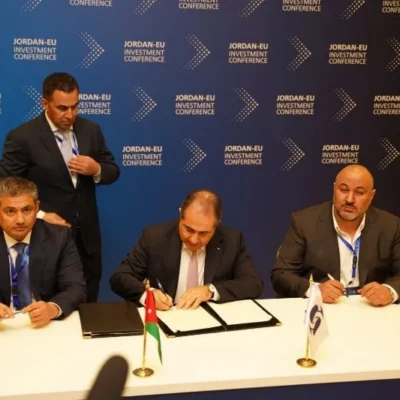
There is goodwill on the international front. Europe is planning a huge international investment conference in Damascus next year, reinforcing the fact that foreign investment is coming to the ailing infrastructure of the city. These figures, however, indicate that the economy is getting stronger after a low ebb, but not household wealth.
The Micro Reality: Crushing Inflation
The discrepancy between state spreadsheets and empty wallets is due to the nominal gain’s ability to be eroded by inflation. As per data from the Syrian Center for Policy Research (SCPR), Syria’s annual inflation rate stayed in excess of 40% until mid-2026.
Housing, energy and transportation costs remain on the rise, and are making any modest wage increases disappear. The Qasioun Cost of Living Index recently showed that the bill of the average family of 5 in Syria has reached around 13.2 million Syrian pounds per month by the end of 2026. A university-educated public sector worker on the other hand makes about 105-125 per month, which is less than half of the abject poverty line.
Why the Wealth Isn’t Trickling Down
A long war gives rise to a one-sided economic recovery. Current 12.8% growth rate mostly due to the return of basic industrial output, building up of state institutions and big orders for foreign aid. Does not immediately promote consumer market stability.
Moreover, local pricing regimes are still very sensitive to energy tariffs. If the government tries to set a unified price, with a view to attracting investors, the price of electricity and fuel will be passed on to consumers and producers at a much faster rate than local incomes can adjust.
Syria’s macroeconomic “boom” will not be a reality until wages return to a level that allows the population to afford the cost of essential goods. There is a huge gap between the boardroom in Damascus, and the families who continue to struggle to survive the winter, and a recovery requires that this gap is bridged.
FAQs
What is the projected Syria GDP growth for 2026?
Finance Minister Mohammed Yisr Barnieh predicts real GDP growth of 12.8% in 2026 with expectations that the economy will reach a value of $70.1 billion by 2029.
Why are Syria living costs 2026 still so high despite economic growth?
The reason for the continuing inflation in Syria, which exceeds 40%, is the post-war reconstruction and investment in the country; however, costs continue to increase faster than wages.
What was the Syria Partnership Cooperation Forum?
It was a major economic event that took place in November 2026 in Damascus with the participation of international sponsors. At the meeting, the EU announced a large investment conference to be held in Syria in 2027.
How much does an average family need to live in Syria in 2026?
According to the Qasioun Cost of Living Index, a family of five needs about 13.2 million Syrian pounds per month to meet basic needs, which is greater than the average salary in the public sector.
Discover More Insights
Explore Cairo inflation middle class impact?
Discover how rising prices are affecting savings and daily life.
Check Algeria power plant deadline extension?
Explore updates on the 1.2GW energy project timeline.
Discover Turkey new electricity tariff changes?
Check how updated pricing will impact households and businesses.
Explore Qatar initiative boosting Syria power?
Discover efforts aimed at strengthening Syria’s electricity generation.
Check Beirut balcony lighting energy tips?
Explore efficient lighting ideas for Ramadan and beyond.