

Tunisia Unlicensed Agricultural Wells Bill 2026 Explained: Fees, Eligibility Requirements, and Deadline
-
The Arab Post
- . October 28, 2026
- . Update: October 28, 2026 6:42 pm
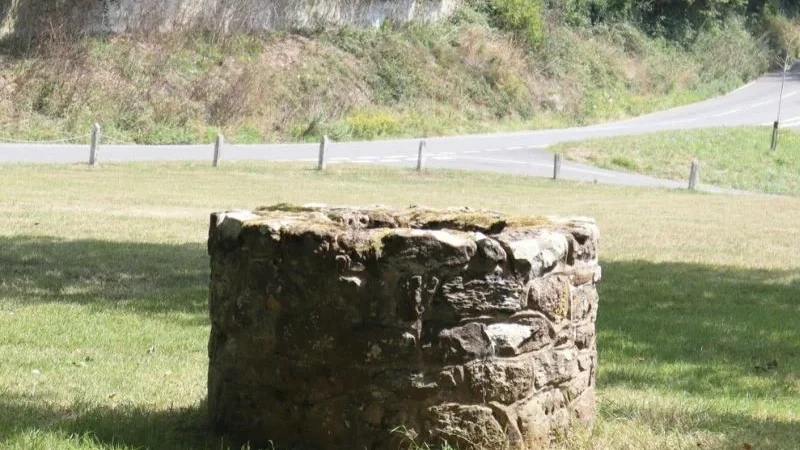
In response to the climate pressures, the Tunisian government announced officially a large-scale legislative effort with the objective of regulating the use of water for agricultural crops used in the country. Tunisia agricultural wells bill, The Assembly of the Representatives of the People (ARP) has passed the Tunisia unlicensed agricultural wells bill 2026 on Tuesday October 27 2026.
The bill was passed in parliament with 79 votes in favour, seven against and 10 abstentions, and officially known as Bill No. 18/2026. The new law offers farmers, who are now pumping water from some 3,200 illegal wells, a valuable legal avenue in the North African country.
The state will make it official and legally designate these important water sources as part of the national regulatory system in order to put a firm handle on the use of groundwater. This is an important measure to ensure that further depletion of critical regional aquifers will not occur.
With the new law, the farmers will have the possibility to complete the process of the agricultural wells regularization Tunisia at the standard fee for regularisation fee 3500 Tunisian dinars.
The Ministry of Agriculture, Water Resources and Fisheries is currently working on the executive procedures that will enable the process to be taken nationwide. The official deadline for regularization is the absolute deadline as of December 31, 2027, as stated in the parliamentary text.
Authorities say, though, that the formal requests by the well owners will only have a maximum period of one year after the official administrative decision is published by the Minister of Water Resources.
Strict Eligibility Requirements and Anti-Fraud Measures – Tunisia agricultural wells bill
If a well is found to be fully constructed before October 27, 2026, then the well will be allowed to be located on a property under this amnesty.
The Assembly of the Representatives of the People (ARP) tightened up the anti-fraud procedures themselves in the legislation. All applications for regularization of registration documents that contain false, inaccurate or incomplete information will be rejected as soon as they are received.
In addition, Article 3 of the bill clearly provides that once a farmer has been approved for regularisation, the state will revoke the regularisation status if he/she neglects its environmental and operational commitments.
Reaping the Financial Benefits of Compliance
Compliant farmers will gain a lot of financial benefits with legal status. Once registered, operators to receive government backed investment incentive.
In the meantime, regularised operators will be eligible for the long-anticipated critical financial advantages provided for by the 2016 Investment Law and 2017 Tax Advantages Law, reports said the state news agency Tunis Afrique Presse (TAP).
Business News Tunisia’s financial analysts point out that these advantages cannot be reaped, but they offer important sources of funding for the modernization of agriculture and better irrigation in the future.
The 2026 Tunisia law on unlicensed agricultural wells is a change to previous legislation, which used to be conflicting with fiscal laws incorporated in the 2024 Finance Act, which have now been repealed. Tunisia is putting a lot of effort into finding a balance between the economic viability of farmers and timely ensuring the nation’s water security through strict establishment of the regularization fee worth 3,500 dinars, clear criteria making farmers eligible applying for regularization and a distinct term of 31 December 2027.
Discover More Insights
Explore Cairo inflation middle class impact?
Discover how rising prices are affecting savings and daily life.
Check Algeria power plant deadline extension?
Explore updates on the 1.2GW energy project timeline.
Discover Turkey new electricity tariff changes?
Check how updated pricing will impact households and businesses.
Explore Qatar initiative boosting Syria power?
Discover efforts aimed at strengthening Syria’s electricity generation.
Check Beirut balcony lighting energy tips?
Explore efficient lighting ideas for Ramadan and beyond.