

US Extends Visa Sanctions on Palestinian Authority and PLO Officials: What It Means
-
The Arab Post
- . September 17, 2026
- . Update: September 17, 2026 5:20 pm
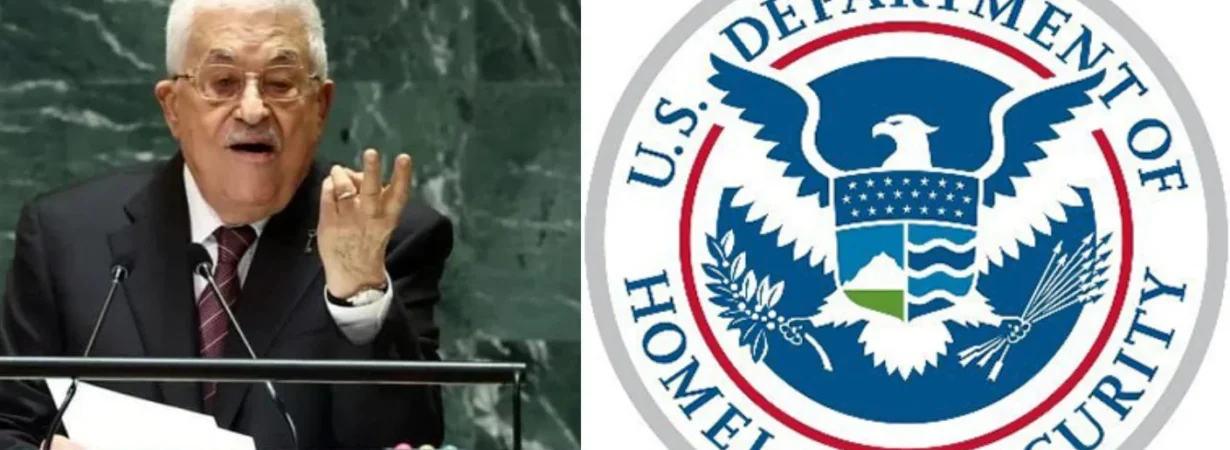
The U.S. State Department has officially announced to extend U.S. visa sanctions against Palestinian Authority officials and members of the Palestine Liberation Organization (PLO). US visa sanctions, The action comes days before the UN General Assembly in New York, and represents a major diplomatic row. The U.S. is using failures to meet history-breaking promises to limit the ability to admit Palestinian leaders to the diplomatic fold. Below is a detailed explanation of the rationale for these sanctions, the law and legal instruments used to renew them, and their consequences for the geopolitical situation between Israel and Palestine.
Why the State Department Extended US Visa Sanctions
The diplomatic restrictions are not new, but rather are the enforcement of U.S. existing laws. In a letter to Congress, the State Department said they have consistently ignored their responsibilities under two key laws with the PA and PLO.
Compliance Failures Under PLOCCA and MEPCA
The two laws referred to are the PLO Commitments Compliance Act (PLOCCA) of 1989 and the Middle East Peace Commitments Act (MEPCA) of 2002. U.S. officials said the recent actions by the Palestinian leadership “fundamentally run counter to the commitments made in these agreements, which were intended to facilitate direct Palestinian-Israeli negotiations and to help pave the way toward lasting peace in the region.
Key Actions Triggering the Sanctions
The U.S. Department of State’s official report identified several specific actions that led to the visa sanctions against the U.S. being extended:
- Internationalizing the Conflict: Bilateral talks have not been the main approach, as the PA and the PLO have actively pursued cases at the International Criminal Court (ICC) and International Court of Justice (ICJ).
- Undermining Security Council Resolutions: The U.S. considers these international moves to be a contradiction of any prior U.N. Security Council Resolutions commitments made under 242 and 338.
- Seeking Unilateral Recognition: Palestinian leaders have been campaigning for unilateral statehood recognition at the United Nations, bypassing direct peace talks with Israel.
- Glorifying Terrorism: The most extreme violation that is mentioned is the continued payment of stipends to those involved in acts of terrorism and the glorification of such acts in public statements and textbooks in schools.
With action on section 604(a)(1) of the Middle East Peace Commitments Act, Washington is stating that these actions have direct effects.
Diplomatic Exemptions: The UN Observer Mission
The broad U.S. visa restrictions are in effect for most Palestinian Authority officials and Palestine Liberation Organization members; however, there is one exception.
The State Department has confirmed it has been in effect for officials notified to the PLO Observer Mission to the United Nations. The U.S. has host country obligations due to the location of the UN Headquarters in New York. But this waiver is strictly enforced with very few possibilities for high-quality leaders to travel outside of the UN, in areas with little or no restrictions.
Impact on the 2026 UN General Assembly – US visa sanctions
This announcement comes at a most opportune time. The extended US visa sanctions come in the wake of the 81st session of the UN General Assembly, and are an effective statement to the international community. International policy experts at Council on Foreign Relations often point out how these visa limits hamper the PA’s ability to lobby the United States on a person-to-person basis. This leaves the Palestine Liberation Organization with little leverage in Washington, as it must go through these remote addresses and through proxy diplomacy.
Washington’s act of extending US visa bans on PA officials and PLO shows that the government is committed to execute Middle Eastern Peace Obligations Act. This indicates that the State Department is taking its diplomatic actions vigorously to hold those who are responsible for terrorist acts and ongoing conflict internationally accountable while urging for real changes. These sanctions will remain in effect when the UN General Assembly convenes, as the US is determined to deny diplomatic contact to all those who are believed to oppose peace efforts.
Discover more Insights
Explore Iran War Lessons Globally?
Explore how the 2026 Iran war reshapes global power and strategy.
Discover Iran Delay Strategy Tactics?
Discover how Iran uses delay, repression, and proxy influence.
Check Trump Iran Strategy Importance?
Check why Trump’s Iran strategy depends on Gulf allies.
Explore Iran Military Warning Signals?
Explore rising warnings from Iran alarming global powers.
Discover Sudan Iran Axis Threat?
Discover how the Sudan-Iran axis raises serious regional concerns.
