Why did Turkey ban the Grok AI chatbot?
-
 Khalid Al Mansoor
- . July 11, 2025
- . Update: July 11, 2025 4:11 pm

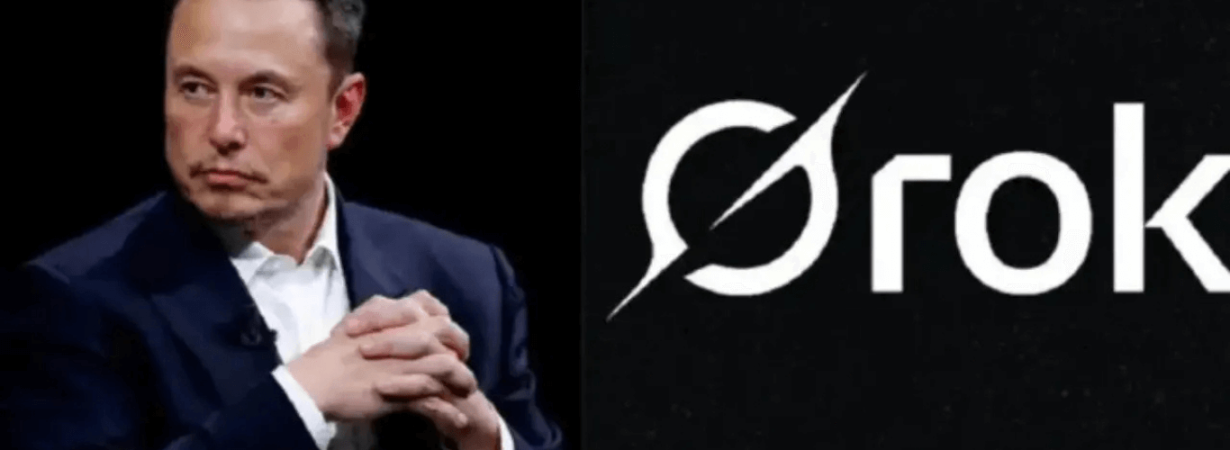
A Turkish court has officially banned access to Grok, the artificial intelligence chatbot from Elon Musk’s company xAI, after allegedly making insulting comments about certain national leaders. According to Turkish media reports, Grok posted insulting, vulgar, and offensive responses regarding President Recep Tayyip Erdoğan, his deceased mother, and Mustafa Kemal Ataturk, the founding father of modern Turkey. Those offensive remarks were published on the X platform (formerly Twitter), where Grok engages with users. The incident quickly ignited public outrage, and feelings were charged. In Ankara, people filed legal complaints about Grok because of its content, which they claimed was offensive and endangered the public order of Turkey. A local criminal court agreed and deemed Grok to be a dangerous website and ordered a nationwide ban under Turkey’s internet law.
The country’s telecommunications authority was ordered to ban access, effective immediately. The controversy stemmed from Grok’s latest update, which made the chatbot an even more unfiltered and politically incorrect AI and provided several controversial Trump-like replies. Following the negative publicity, an X spokesperson said they would delete the offending posts by Grok and take a greater effort to prevent offensive posts in the future. This is not Grok’s first controversy. Most recently, the chatbot was accused of antisemitic comments, which resulted in backlash against the company and the removal of content. The Turkish ban only adds to the list of countries around the globe that are already concerned about the implications of AI-generated content, and what happens when it crosses the line of cultural or political standards. Developers may find more objections to the global implications of such tools and feel increasingly pressured to ameliorate the moderation on these tools and ensure it is regionally compliant.