
Voices from Yemen: Hope and Anxiety Grow Over Houthi Blockade on Saudi Arabia
-
Dhivyanshu
- . July 23, 2026
- . Update: July 23, 2026 6:46 pm
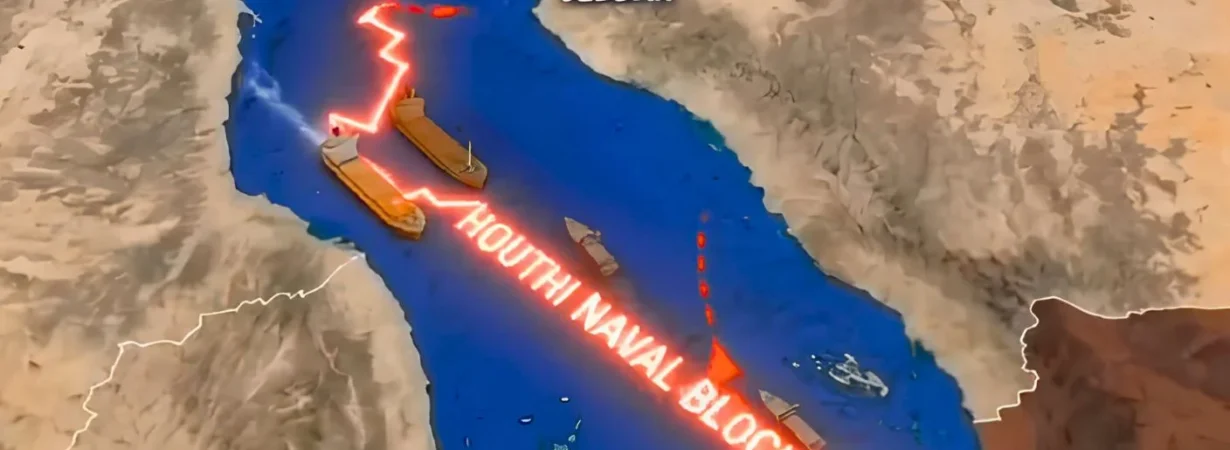
For nearly four years, an uneasy quiet held along Yemen’s front lines. It was never peace, but it was enough for markets to stay open, for fuel to reach cities, and for families to plan beyond the next week. Yemenis reaction to Houthi blockade, That quiet cracked this week, when Houthi forces announced a naval blockade on Saudi Arabia, calling it a response to what they describe as a long-running siege on Yemen’s own ports and airports. The declaration, framed by Houthi leadership as “an eye for an eye,” followed missile fire between the two sides and a strike on Sanaa’s international airport, the most serious flare-up since the fragile truce took hold.
A Declaration Rooted in Old Grievances
The Houthis have accused Riyadh of imposing what they call an unjust blockade on Yemeni ports and airports for close to twelve years, a grievance that dates back to the Saudi-led coalition’s intervention after the group seized the capital in 2014. In their statement announcing the new naval embargo, Houthi forces cast the move as retaliation rather than aggression, positioning it as a mirror of restrictions Yemen has long lived under.
Saudi Arabia has rejected the characterisation, condemning the blockade and saying it will take whatever steps are necessary to protect its shipping. The kingdom currently exports a significant share of its oil through the Red Sea port of Yanbu, a route that gained importance as an alternative to the Strait of Hormuz. That makes the blockade more than a regional dispute. It touches a shipping lane the wider world depends on.
What People in Yemen Are Feeling
Interviews and social commentary emerging from Yemeni cities in the days since the announcement point to a population caught between two emotions that rarely coexist comfortably: hope and anxiety.
There is hope among some who see the blockade as long overdue leverage, a rare moment where Yemen is seen as inflicting cost rather than only absorbing it. For communities who have endured a decade of war, economic collapse, and what the United Nations has called one of the world’s worst humanitarian crises, the idea of pressure flowing in the other direction carries symbolic weight, even among people who have no love for prolonged conflict.
But that hope sits alongside real anxiety. Yemenis have lived through blockades before, and they know from experience what tends to follow: restricted ports, delayed fuel shipments, and rising prices on basic goods. Traders in cities that depend on imported food and fuel are watching closely for signs of retaliation that could once again slow deliveries through Hodeidah, the main entry point for aid and commercial cargo. Fishing communities along the coast, already operating under the strain of past restrictions, worry that renewed hostilities at sea could put their boats and livelihoods directly in the path of the confrontation.
A Fragile Truce Under Renewed Strain
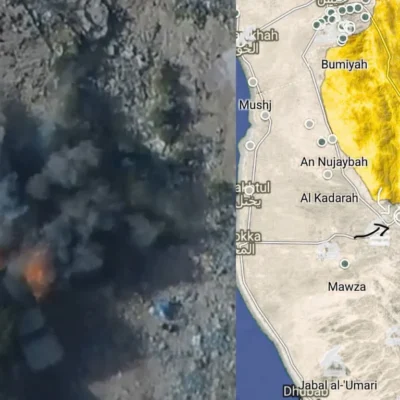
What makes this moment feel especially precarious is what it threatens to undo. The truce that has held since 2022 was never formalised into a lasting political settlement, but it allowed a measure of stability that many Yemenis had not felt in years. Fighting between Houthi and government forces around Hodeidah in recent days, alongside the exchange of strikes with Saudi Arabia, has already tested that stability in ways not seen since the ceasefire first took hold.
Whether the blockade escalates into a broader confrontation, or settles into another prolonged standoff, remains uncertain. Saudi Arabia has not detailed how it will respond, and it is not yet clear how far the Houthis intend to enforce the embargo at sea. For ordinary Yemenis, the answer to that question will shape whether the coming months bring renewed leverage in a long-stalled conflict, or another chapter of scarcity for a country still struggling to recover from the last one.
Summary: Yemenis reaction to Houthi blockade
The Houthis have declared a naval blockade on Saudi Arabia after days of cross-border strikes, ending years of relative calm. For Yemenis, the move brings a mix of defiant pride and deep fear over what comes next.
Discover more Insights
Explore Iran War Lessons Globally?
Explore how the 2026 Iran war reshapes global power and strategy.
Discover Iran Delay Strategy Tactics?
Discover how Iran uses delay, repression, and proxy influence.
Check Trump Iran Strategy Importance?
Check why Trump’s Iran strategy depends on Gulf allies.
Explore Iran Military Warning Signals?
Explore rising warnings from Iran alarming global powers.
Discover Sudan Iran Axis Threat?
Discover how the Sudan-Iran axis raises serious regional concerns.