
Why the U.S. Debate on Designating the Muslim Brotherhood Matters
-
The Arab Post
- . August 28, 2025
- . Update: August 28, 2025 5:30 pm

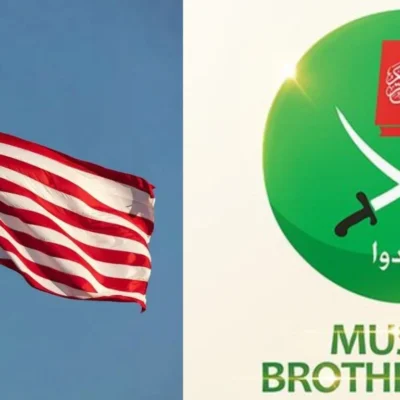
In recent years, the debate in the United States over whether to formally designate the Muslim Brotherhood (MB) as a terrorist organization has intensified. Supporters of such a move argue it is essential for safeguarding national security, while critics warn it could undermine democratic principles and alienate millions of Muslims worldwide. At the heart of this discussion lies a broader question: how should a democracy respond to ideologies that appear hostile to its values without eroding the very freedoms it seeks to protect?
The Origins and Influence of the Muslim Brotherhood
The Muslim Brotherhood was founded in Egypt in 1928 by Hassan al-Banna as a religious, social, and political movement. Its influence has since spread across the Middle East and beyond, with offshoots and affiliated organizations operating in multiple countries. Over the decades, the Brotherhood has been involved in a mix of charitable work, political activism, and governance. While some branches engage in peaceful political participation, others have been accused of supporting extremist agendas.
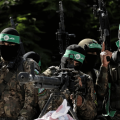
Notably, groups like Hamas—an offshoot of the Brotherhood—have already been designated by the U.S. as terrorist organizations. This historical link continues to fuel the argument that the Brotherhood provides an ideological foundation for extremism worldwide.
Arguments for Designation
Proponents of labeling the Brotherhood as a terrorist group often point to its ideological underpinnings. U.S. lawmakers and security analysts argue that its vision of establishing Islamic governance through gradual social and political influence poses a long-term challenge to Western societies. Internal documents uncovered during the 2008 Holy Land Foundation trial, for instance, referred to a strategy of “civilization jihad,” suggesting that the Brotherhood seeks to erode American values from within.
In addition, the proposed Muslim Brotherhood Terrorist Designation Act of 2025 seeks to create legal mechanisms to sanction MB-linked networks and cut off funding streams. Supporters say such measures would create consistency in U.S. policy, sending a strong message against organizations that inspire or facilitate violent extremism.
Counterarguments and Concerns
On the other side of the debate, critics caution against painting the entire Brotherhood with a single brush. They argue that the MB is not a monolithic entity but a diverse movement, with branches ranging from militant factions to political parties that participate in elections. A blanket designation, they warn, could criminalize peaceful activists and delegitimize reformist voices that often act as a counterweight to violent extremists.
There are also concerns about the diplomatic fallout. Many U.S. allies in the Middle East and North Africa allow some form of Brotherhood participation in their domestic politics. Declaring the entire organization a terrorist entity might strain relationships, complicating Washington’s regional diplomacy. Additionally, American intelligence experts have warned that such a move could backfire, driving moderate supporters underground and pushing disillusioned individuals toward radicalization.
America’s Shifting Policy
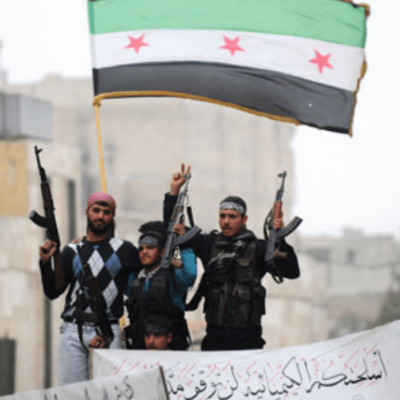
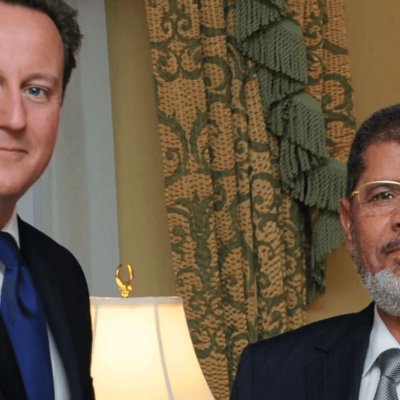
The United States has historically oscillated in its approach to the Brotherhood. During the Arab Spring, for example, the Obama administration engaged with MB-linked political parties in Egypt and Tunisia, viewing them as part of the democratic transition process. Later, as regional instability grew, subsequent administrations leaned toward a more hostile stance. This back-and-forth highlights the difficulty in crafting a consistent policy toward an organization that straddles both politics and ideology.
What Is at Stake?
At stake is more than just the designation of one organization. The debate reflects the tension between national security imperatives and democratic ideals. A sweeping designation could reassure those concerned about ideological extremism but might also undermine America’s reputation as a pluralistic society that values freedom of belief and political participation. On the other hand, a cautious approach risks being seen as weak on terrorism, potentially emboldening actors who exploit ideological ambiguity.
The challenge, therefore, lies in striking a balance: targeting violent branches and financial networks linked to terrorism, while leaving space for non-violent actors to operate within democratic systems. This nuanced approach would prevent alienation while upholding the rule of law.