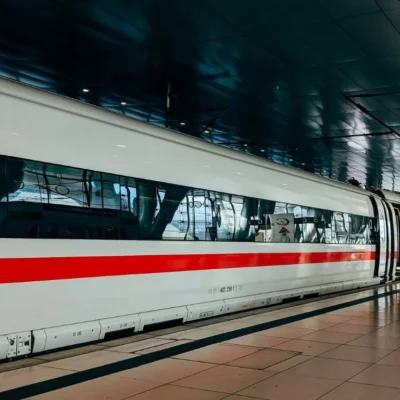

The Hejaz Railway Revival: How the Jordan-Türkiye-Syria Transit Deal Promises a Jordan’s Economy Boost
-
Dhivyanshu
- . July 5, 2026
- . Update: July 8, 2026 4:46 pm
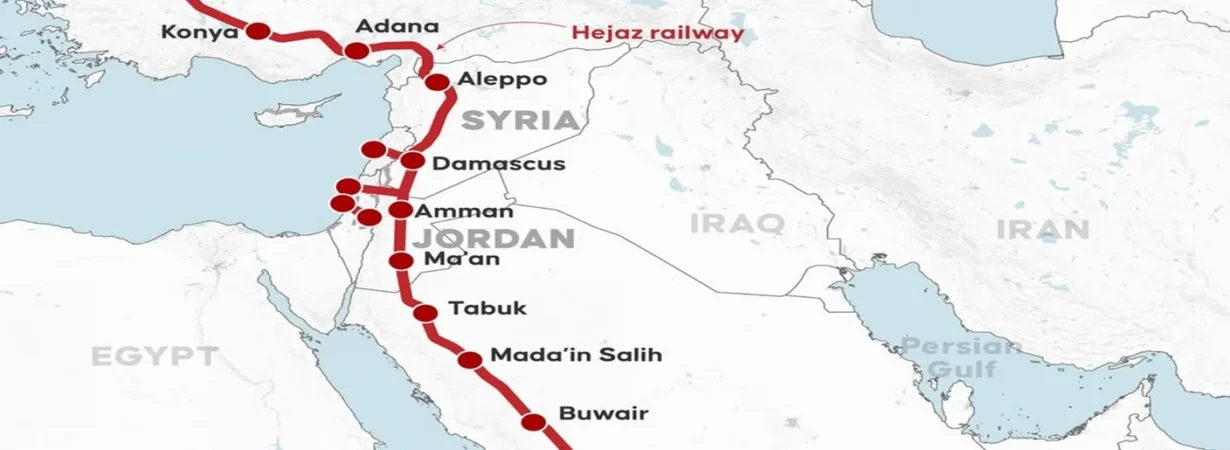
For over a century, the old train tracks running across the Levant kinda just gathered dust. Still, in 2026, the long-awaited Hejaz Railway revival is finally turning into something real. A lot of it is being pushed forward by the bold Jordan-Türkiye-Syria transit deal, and this huge infrastructure effort is meant to stitch together the earlier trade routes across the Middle East. For companies, and for everyday citizens too, this modern logistics understanding is way more than rails and timetables. It’s basically the missing spark for a big jump in Jordan’s economy, even if people don’t always say it out loud. Here is how this trilateral agreement actually works, and what it could mean for the region, going forward.
Understanding the Jordan-Türkiye-Syria Transit Deal
Signed in early 2026, this strategic pact is supposed to modernize and also reconnect rail lines that used to be split apart. The route is described as stretching from Istanbul, passing through Damascus, and then continuing down to Amman. As noted in the official notes from the Jordanian Ministry of Transport, the plan includes rehabilitating the historic railway infrastructure along with setting up “frictionless” customs checkpoints. The idea is that this coordination should speed up movement across borders, and also cut down on the bureaucratic clutter that usually shows up at every checkpoint.
Reconnecting Middle East Trade Routes
The target sounds simple, but the scope is big. The project aims to skip the costly maritime shipping lags and the unpredictable trucking lanes. By creating a direct Amman to Damascus transport path that keeps going smoothly into Türkiye, regional cargo can reach European markets much faster than before. In that sense, Levant trade and economic integration fit closely with the stability and commerce objectives that the World Bank often points to when talking about Jordan.
Why the Hejaz Railway Revival is a Game-Changer
The original railway was kinda a marvel of the Ottoman era, put together to help pilgrims get to Medina in a safer way. These days, the rehabilitation work mostly leans on modern freight movement and heritage tourism, though. The new agreement basically opens up a stack of major advantages.
- Reduced Freight Costs: Moving bulky cargo by rail is clearly cheaper than road transport, so exporters get to carry far lower overheads, which really adds up.
- Tourism Expansion: The revival also brings back passenger service, and that pulls in international history buffs who want to actually ride the legendary route, not just read about it.
- Supply Chain Security: With a dedicated rail line, transit is far more dependable and more weather-resistant than the older, traffic-heavy trucking options.
Delivering a Major Jordan’s Economy Boost
Jordan will likely gain a lot from this modern transit hub. If it positions itself as the main southern gateway for Turkish and European goods heading toward the Gulf, Amman should see higher transit fees, plus more foreign logistics investments coming in.
Also, a recent global trade analysis cited by Reuters suggests that better rail infrastructure could lift Jordan’s export volume to European markets by as much as 30%. On top of that, building and maintaining these fresh rail corridors will create thousands of local jobs, which gives the economy a much-needed push this year.
For anyone wanting a wider view on Jordan’s tourism and heritage investments around the railway, the Jordan Tourism Board has solid, ongoing insights you can check.
The 2026 Jordan-Türkiye-Syria transit deal feels like an engineering and diplomatic win, pretty much a big triumph. In a way, it connects three countries through the Hejaz Railway revival, and the Levant seems to be reclaiming that older historical role, like as a global trade bridge. As the rails are laid and the more modern locomotives prep to roll from Amman to Istanbul, the groundwork for a sustainable boost to Jordan’s economy is now firmly set. You should watch closely as these updated Middle East trade routes start to reshape the region’s economic and cultural landscape, in a noticeable way.
FAQs
What is the Hejaz Railway revival?
So it is a 2026 infrastructure initiative, sort of about restoring and modernizing old historic rail routes that connect Türkiye with Syria and Jordan, aiming for both dependable freight movement and passenger services, at the same time.
How does the Jordan-Türkiye-Syria transit deal help exporters?
It really cuts down shipping times and even lowers logistics expenses, because it creates one unified high-speed rail corridor, and it kind of avoids the usual road hauling, plus maritime choke points and other bottlenecks.
Will the railway carry passengers?
Yes, though freight and cross-border logistics are the main emphasis, the plan also folds in heritage tourism routes, linking major historical sites and landmarks.
Where can I find official updates on the railway’s progress?
News on progress and commercial scheduling is regularly released by the Jordan Hejaz Railway Corporation (JHRC) and also by the Ministry of Transport.
Discover more Insights
Explore Iran War Lessons Globally?
Explore how the 2026 Iran war reshapes global power and strategy.
Discover Iran Delay Strategy Tactics?
Discover how Iran uses delay, repression, and proxy influence.
Check Trump Iran Strategy Importance?
Check why Trump’s Iran strategy depends on Gulf allies.
Explore Iran Military Warning Signals?
Explore rising warnings from Iran alarming global powers.
Discover Sudan Iran Axis Threat?
Discover how the Sudan-Iran axis raises serious regional concerns.