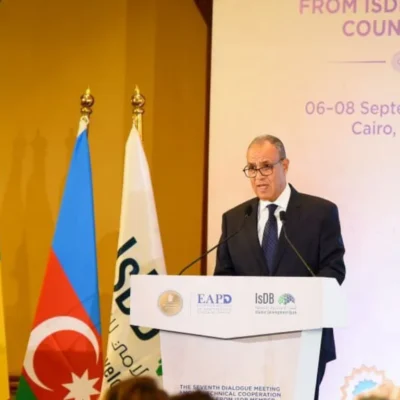

Egypt Regional De-Escalation Talks Focus on Stability with Jordan and Kuwait
-
The Arab Post
- . November 3, 2026
- . Update: November 3, 2026 5:54 pm
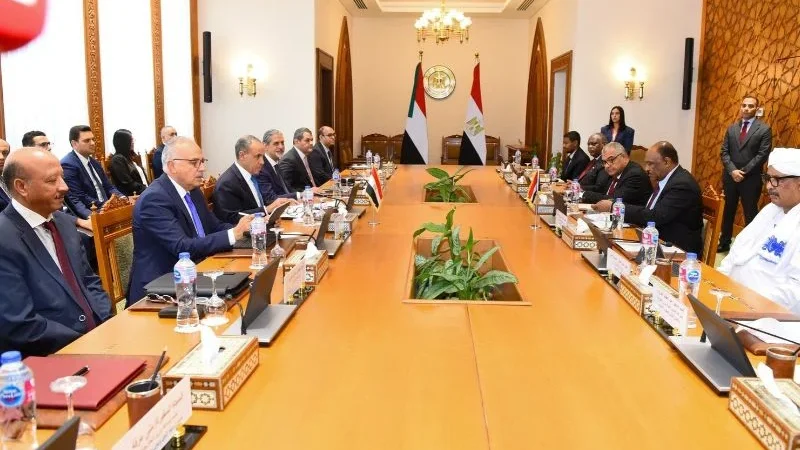
The Egyptian government on Monday, November 2, 2026, began a hasty Egypt regional de-escalation talks process with its most important regional partners. Minister of Foreign Affairs Badr Abdelatty had two high-level telephonic consultations with his Jordanian counterpart Ayman Safadi, Deputy Prime Minister and Minister of Foreign Affairs, and the Kuwaiti Foreign Minister Sheikh Jarrah Jaber Al-Sabah.
The urgent communication comes amid dangerously increased tensions and unstable security situation in the region. The Egyptian Ministry of Foreign Affairs’s official statements reveal that the main purpose of these consultations is to swiftly build a common Arab front to quell the crises as soon as possible.
In his comments, Foreign Ministry Spokesman Ambassador Nader Zaki confirmed that the Egyptian Foreign Minister met with his Jordan and Kuwait counterparts and discussed current international efforts to curb the increasingly violent situation.
Egyptian FM Badr Abdelatty Outlines Five Pillars For Regional Security
Prioritizing Middle East Diplomatic Efforts – Egypt regional de-escalation talks
In the long conversation with his Jordanian counterpart, Abdelatty and Safadi stressed that there is an absolute need to have a close coordination between Cairo and Amman. The two diplomats said it is essential to prevent military conflict to maintain regional security.
The two leaders strongly emphasized that they would not allow the resumption of military operations at any cost both regionally and internationally. Regional reports by the Egypt Today newspapers indicated that the two countries’ officials said the security situation has direct and serious consequences for the stability of the region.
As a result, both sides are aggressively seeking international support for the political solutions that are more sustainable. They are calling for the continuation of diplomatic mechanisms instead of armed conflict, including through the United Nations, in particular the Security Council.
Abdelatty also spoke to Kuwaiti Foreign Minister Sheikh Jarrah Jaber Al-Ahmad Al-Sabah in another crucial phone call. The two officials emphasized the need for ongoing communication to avoid further escalation. They requested more flexibility from all involved in order to facilitate a diplomatic process in the Middle East that must be undertaken and a negotiation process that must be immediate.
The Impact of Badr Abdelatty Diplomatic Meetings
These well-coordinated communications demonstrate Egypt’s ongoing position as a key broker in the Arab world. Cairo is moving to make a very close alignment with its leadership Jordanian and Kuwaiti, in the process of making an attempt to form an even more united diplomatic front, which could affect international policy.
Analysis published by the Egyptian Gazette states that it is of vital importance to consult continuously at this crucial time in order to mitigate the repercussions of the ongoing military campaigns. The decision of the Badr Abdelatty diplomatic meetings is an undeniable regional agreement: military operations will not bring security in the long run.
It is a diplomatic move that sends a strong message that key Arab countries are strongly interested in the economic and structural stability. The Jordan News Agency (Petra) repeatedly points out Egypt and Jordan’s bilateral coordination is the base on peace efforts in the region.
Cooperation between the international community on the next few days will be key to the success of these Egypt regional de-escalation talks. Egypt, Jordan and Kuwait have firmly refused to endorse increased military action, demanding a return to the negotiating table so as to guarantee the permanent stability of the region.
Top Picks For You
Discover top Middle East tourist sights?
Explore must-visit landmarks across the region for travelers.
Explore essential apps for Arab travel?
Check must-have apps to simplify your trip planning.
Check common travel mistakes Arab countries?
Discover key errors tourists should avoid during visits.
Explore top Arab festivals for tourists?
Discover unique cultural events across non-GCC destinations.
Check tourist safety tips Arab countries?
Explore essential precautions for safe and smooth travel.