
Palestinian Exporters Secure Duty-Free Access to South American Markets at Global Trade Summit 2026
-
 The Arab Post
- . November 22, 2026
- . Update: November 22, 2026 4:11 pm

The exporters of the Palestinian economy have concluded key duty-free access agreements with the main markets in South America for the first time in the history of Middle Eastern trade. Palestinian exporters, Today, exporters of the Palestinian economy successfully signed off on major duty-free access agreements with leading South American markets for the first time in the history of Middle Eastern trade. Thanks to the bilateral protocols expansion and the complete implementation of the Palestine-Mercosur free trade agreement, this is a game-changer in the economic future of the State of Palestine. The agreement removes the steep tariffs that have hindered trade in so many agricultural and manufactured products directly to a market of more than 250 million consumers in Latin America.
Expanding the Palestine-Mercosur Free Trade Agreement
The Palestine-Mercosur free trade agreement had been negotiated more than ten years ago but had to deal with a number of logistical challenges for the complete customs implementation. However, it was Brazil’s official ratification in 2024 that turned the tide in favour of the agreement. The formalization of the customs integration with the rest of the Mercosur trade bloc, by conducting the last step on the summit in November 2026, was the culmination of the process of harmonizing import regulations in Argentina, Uruguay and Paraguay.
Unlocking New Export Categories
The agreed trade protocols allow Palestinian products to enter free of any tariffs if the value of the products is high. The Palestine Trade Center (PalTrade) says the biggest winners are going to be the agriculture and light manufacturing industries. Medjool dates, world-renowned Palestinian olive oil, quarried stone and textiles are now able to compete with European exports in South American markets, without having to face the unmanageable import taxes faced by European exports.
What This Means for Palestinian Exporters
Palestinians have been facing harsh operational and geographical limitations for decades. Repeatedly, the World Bank’s ongoing economic assessments of the Palestinian economy have pointed to the Palestinian economy’s lack of competitiveness due to border restrictions and high cost of logistics. Financial counterbalance provided by new duty-free access. This means that businesses have the opportunity to cover a higher initial cost of shipping, while still being competitively priced in the supermarket in São Paulo and Buenos Aires without having to pass on the expense.
Overcoming Logistics and Trade Barriers
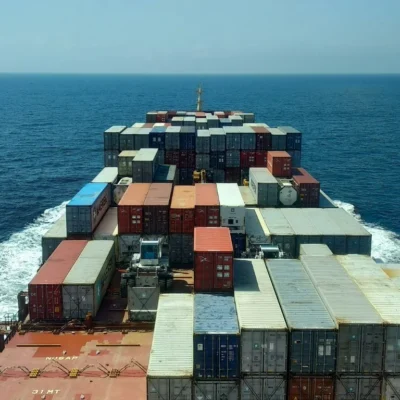
In order to make this intercontinental commerce possible, new logistic systems were put in place along with the tariff reductions. Technical guidance by UNCTAD will lead to the development of special freight corridors and electronic customs clearance processes for goods transit from the West Bank to ports in South America. This digital integration reduces the bureaucratic delays and guarantees arrival of perishable agricultural products in a high quality.
The Role of the Global Trade Summit 2026
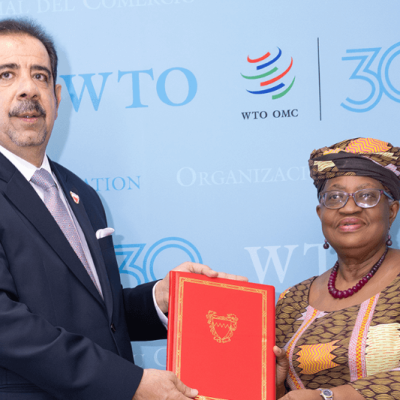
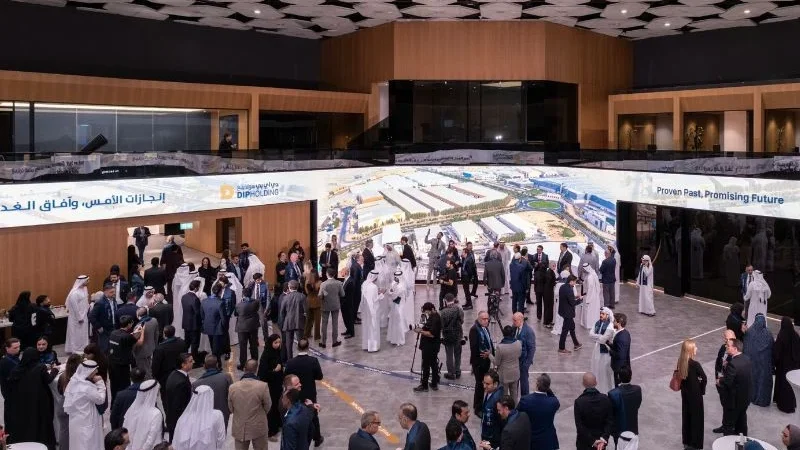
The Global Trade Summit 2026 served as the needed diplomatic forum to draw up these technical aspects. The summit also helped to promote economic cooperation between the south, enabling Palestinian trade delegations to deal directly with the customs authorities of Latin America without going through the regular trade channels. The agreement and the fair-trade framework it is based on are good examples of the way in which emerging economies can take advantage of multilateral platforms to diversify their trade basket and to come right into the global economy.
The agreements, which will gradually take full effect, will have repercussions throughout the Palestinian territories. Local businesses now have access to huge markets in South America without having to pay duties and are well positioned to export like never before, create jobs locally and have long-term financial security.
FAQs
What was achieved at the Global Trade Summit 2026 regarding Palestine?
During the Global Trade Summit 2026, the delegates put their final signatures to implement the Palestine-Mercosur free trade agreement, which gives Palestinian companies duty-free access to an array of countries in Latin America.
Which products will benefit most from this agreement?
Palestinian traders of oil, dates, textiles, and stones are, in fact, expected to gain the most, as those products will now not be subjected to high import duties in Latin America.
Why is duty-free access so important for the Palestinian economy?
The fact is that Palestinian companies often face very high costs of logistics, and duty-free access will enable them to lower those costs, be competitive, and gain footholds in the South American market.
Discover More Insights
Explore Cairo inflation middle class impact?
Discover how rising prices are affecting savings and daily life.
Check Algeria power plant deadline extension?
Explore updates on the 1.2GW energy project timeline.
Discover Turkey new electricity tariff changes?
Check how updated pricing will impact households and businesses.
Explore Qatar initiative boosting Syria power?
Discover efforts aimed at strengthening Syria’s electricity generation.
Check Beirut balcony lighting energy tips?
Explore efficient lighting ideas for Ramadan and beyond.