
Why Morocco’s Sustainable Aviation Fuel Plant at Nador West Med is a Game Changer for African Transport
-
 The Arab Post
- . November 25, 2026
- . Update: November 25, 2026 4:45 pm

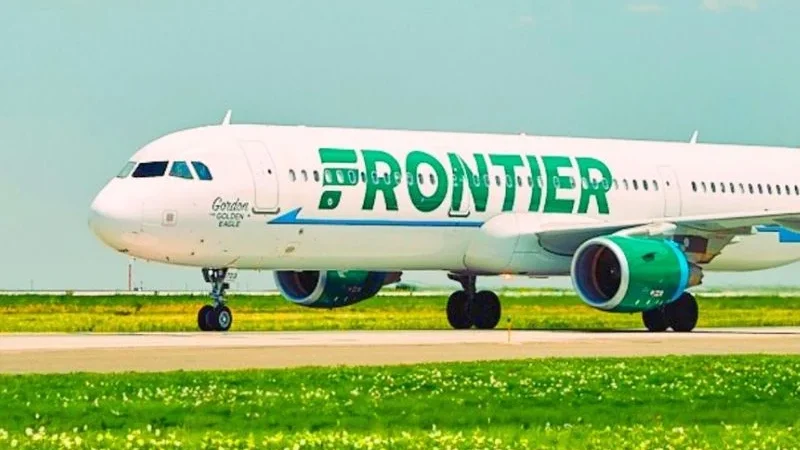
Morocco is making a strong move to be at the forefront of the global energy transition towards greener energy. Morocco sustainable aviation fuel, The most recent impetus comes from the proposed $239m sustainable aviation fuel (SAF) production plant at the Nador West Med port project, which is being led by Green Sky Capital. The project could be a turning point in North Africa as the European Bank for Reconstruction and Development (EBRD) is in the process of making a significant $105 million loan to finance the project.
This cutting-edge plant will do more than just reduce aviation emissions, generating up to 200,000 tonnes of renewable fuel each year, using waste oils, greases and fats. It represents a total paradigm shift in the approach towards transport energy in the continent, directly connecting local upcycling of waste with international decarbonisation of aviation. Morocco’s bold move into cutting-edge biofuels is a game-changer for a country that has long been dependent on imported refined fuels.
The Dawn of Morocco’s Sustainable Aviation Fuel Era
African countries have been exporting their raw, unprocessed energy products, and importing costly and finished energy products. The Nador SAF plant brings a change in this historical injustice. The adoption of the manufacture of advanced biofuels is a sign of Morocco’s energy independence and the creation of a modern industrial sector that is adapted to the 21st century.
This is not just a “vanity” project, but a very practical and economic plan. All over the world, airlines are striving to find the right fuel that is both clean and economical.Worldwide airlines are under huge regulatory pressure to use cleaner fuels and especially in Europe, blending ratios from the ReFuelEU initiative are becoming more stringent every year. Morocco is ideally placed to cater to the needs of Europe with its world class SAF facility on the Mediterranean coast, and by doing so, set an example for the rest of the African transport sector.
This is a fantastic choice to target aviation fuel, in particular. Passenger cars are fast making the switch from gasoline and diesel to battery electric, whereas there are no viable battery options for long-haul aviation. Only the use of liquid sustainable fuels could be considered as a viable solution to decarbonise the airspace over the coming 30 years, ensuring a captive, high demand market for exports of sustainable aviation fuel from Morocco.
Technical Prowess: Nador West Med’s 200,000-Tonne Vision
The technological platform for Nador SAF (NSAF) is also astounding – showing that African infrastructure is now capable of competing in Europe and North America. In late November 2026, Green Sky Capital revealed its plans to use Axens’ proven technology based on Vegan® Hydroprocessed Esters and Fatty Acids (HEFA) for the Moroccan plant. This proprietary system is regarded as one of the most effective processes in the world to transform lipid based feedstocks to high quality renewable fuels.
The facility will be able to produce 200,000 tonnes of product per year. But it is known for its versatility especially as an operational system. In addition to sustainable aviation fuel the site will have the flexibility to produce renewable diesel, biobased naphtha and biobased propane. A wide range of products make it possible to meet changing market needs and offer clean energy options in the heavy road transport and maritime shipping sectors. The plant is expected to be operational by the end of 2028 and will be a significant technical step-up for Africa.
Why This Plant is a True Game Changer for African Transport
This project is a project of strategic value in so many ways that goes beyond Moroccan borders. The plant shows that Africa doesn’t have to be a consumer of green tech imports from the Global North if it wants to transport carbon-neutral products.The plant proves that in the field of transport decarbonisation, Africa can move away from being a mere consumer of green technology transfers coming from the Global North if it chooses to. Rather, it could be a leading generator and exporter of high quality energy sources that are sustainable, and set the speed of its energy change.
Firstly, the project is based on the circular economy model. It utilises the region’s and local lipid feedstocks, like used cooking oils, animal fats or industrial greases and turns environmental waste into high-grade aviation energy. This is a real model for other developing countries in Africa with similar urban waste management issues. It can be monetised and upcycled so that it doesn’t end up in landfills.
Secondly, it brings Africa onto the highest level of the world transport supply chain. Morocco is emerging as an irreplaceable hub for the distribution of the precious SAF to international airlines struggling to find enough supplies in order to achieve their ‘net zero’ targets. This is Africa’s lift in geopolitical status as it is seen that African ports can be important points of the sustainable supply chain in the global arena.
Attracting Global Partnerships and Investment
The quality of the project’s international collaborations is an enormous endorsement of the investment climate in Morocco and its credibility of the Nador West Med project. The EBRD’s financing package of up to $105 million, comprising up to $20 million from the Green Climate Fund and an EU-backed risk guarantee, is testament to strong institutional support.
Moreover, commercial potential of the plant has already been well established. Shell Aviation inked a long-term offtake deal with the local subsidiary of the project, Green Sky Manara LLC on November 2, 2026. According to this deal, Shell Aviation will be the sole buyer of the SAF that the plant produces. The involvement of industry giants such as Shell and Axens in a North African infrastructure project, in terms of their resources and their proprietary technologies, is a catalyst, likely to stimulate other investors to make their mark in the transport and energy sectors of North Africa.
The Economic and Regional Implications – Morocco sustainable aviation fuel
Deciding to build this $239 million plant at the Nador West Med port complex is a stroke of ingenuity, where regional development is concerned. Morocco’s industrial and economic strength historically has been strongly focussed along the Atlantic coast, particularly in the Casablanca/Tangier area. The government is redirecting huge green investments towards the north-eastern Mediterranean, which will help to achieve balanced economic growth and generate hundreds of jobs focused on green skills.
Both inputs (supplementary feedstocks) and outputs (refined fuels) from the deep-water port at Nador will be easily transported to and from Europe. As the facility grows it will bring with it various ancillary industries. Strong waste collection systems are anticipated to get established; advanced chemical processing logistics are anticipated as well as specialised maritime transport services. This generates a “green economy” which is interconnected and is beneficial for both local communities and international airlines.
The initiation of Morocco’s sustainable aviation fuel project is a noteworthy show of how to strategically plan for economic progress. The Nador West Med facility’s aim is not merely to mitigate the carbon footprint of aviation but also to change Africa’s position in the international energy hierarchy. With the establishment of Green Sky Capital of Morocco and international financing, the latest Axens Vegan technology, and contracts concluded with global giants for the off-take, a model for industrial transformation is established, which will have a lot of followers over time. The message concerning Africa’s transportation sector is straightforward: the future of sustainable mobility does not have to be brought from abroad.
FAQs
What is the capacity of the Nador West Med SAF plant?
The facility that is being established in Morocco has the capability to produce a total annual capacity of sustainable aviation fuel (SAF) of up to 200,000 tons, using lipid-based sources for production such as waste oils, fats, and greases.
Who is funding the sustainable aviation fuel project in Morocco?
In total, the cost of the facility is estimated to amount to $239 million and the European Bank for Reconstruction and Development is currently reviewing a possible loan of $105 million, which is likely to include $20 million from the Green Climate Fund.
When will the Moroccan SAF plant become operational?
According to the current plans, the plant is expected to go online in late 2028.
Who will purchase the sustainable aviation fuel produced in Nador?
The company, Shell Aviation, entered into a contract for the long-term purchase of the sustainable aviation fuel produced at the Nador West Med facility.
Will the plant produce anything other than aviation fuel?
Yes, the facility will not only produce sustainable aviation fuel but will also have the capacity to produce biobased diesel, biobased naphtha, and biobased propane, thus providing assistance in the process of decarbonation of transportation.
Discover More Insights
Explore Cairo inflation middle class impact?
Discover how rising prices are affecting savings and daily life.
Check Algeria power plant deadline extension?
Explore updates on the 1.2GW energy project timeline.
Discover Turkey new electricity tariff changes?
Check how updated pricing will impact households and businesses.
Explore Qatar initiative boosting Syria power?
Discover efforts aimed at strengthening Syria’s electricity generation.
Check Beirut balcony lighting energy tips?
Explore efficient lighting ideas for Ramadan and beyond.