
Culturally Rooted Dining: The Rise of Third-Culture Restaurants in Dubai
-
The Arab Post
- . August 25, 2026
- . Update: August 25, 2026 2:52 pm
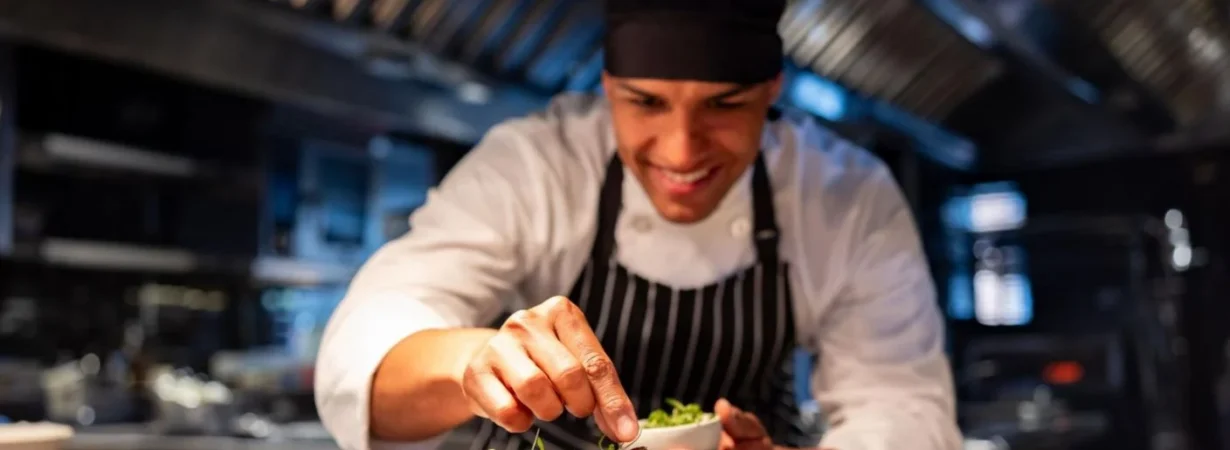
Step into a new Dubai restaurant and you’ll find Persian cuisine creating French techniques, or Indian homemade cuisine buffeted by global plating. Third-Culture Dubai Dining, The food items can be difficult to fit into one country. Rather, it could be about a cook whose life has spanned numerous locations.
This is one more step in the new Dubai. The city’s culinary scene is transitioning from “international cuisine” to “culture of a third culture” and reflects the culture of the city. This is also part of an increasingly competitive landscape between Dubai’s luxury hotels, restaurants and hospitality groups in attracting the same clientele.
Third Culture restaurant is run by chefs with mixed heritage, migration stories and training in food around the world. This article covers the definition of Dubai’s growing third-culture dining scene, the pushers of it, why patrons love it and where it might be headed.
Beyond Fusion
Also called “third culture,” “third culture kids” are individuals who were brought up among two or more cultures and countries. In the realm of cuisine, it applies to any chef who is in the middle of two cultures. Their menus are determined by memories of family, both at home and abroad, and techniques they have picked up throughout the world.
Indian, Chinese, Italian, and Arabic menu items are not offered as a multi-course restaurant would offer them, but instead they all come from the same area. It is also not the same as fusion foods, which are just being made up to pique customers’ curiosity. The birth of 3rd-culture cooking starts with an authentic account.
Chef Solemann Haddad says his food is “Dubai Cuisine”. His dishes feature a variety of flavours, including karak tea, Chips Oman, Emirati spices and local honey, but the presentation is done in a modern Japanese style. Meanwhile, Orfali Bros places emphasis on what they describe as “Orfali culture”, a cuisine molded by memories from Syria’s childhood and the rest of the world.
Culturally-inspired eating is a memory, a community, and real life. Not only, “Where is this dish from?” but also, “What is it about this dish for the cook?”
Why Dubai Fits
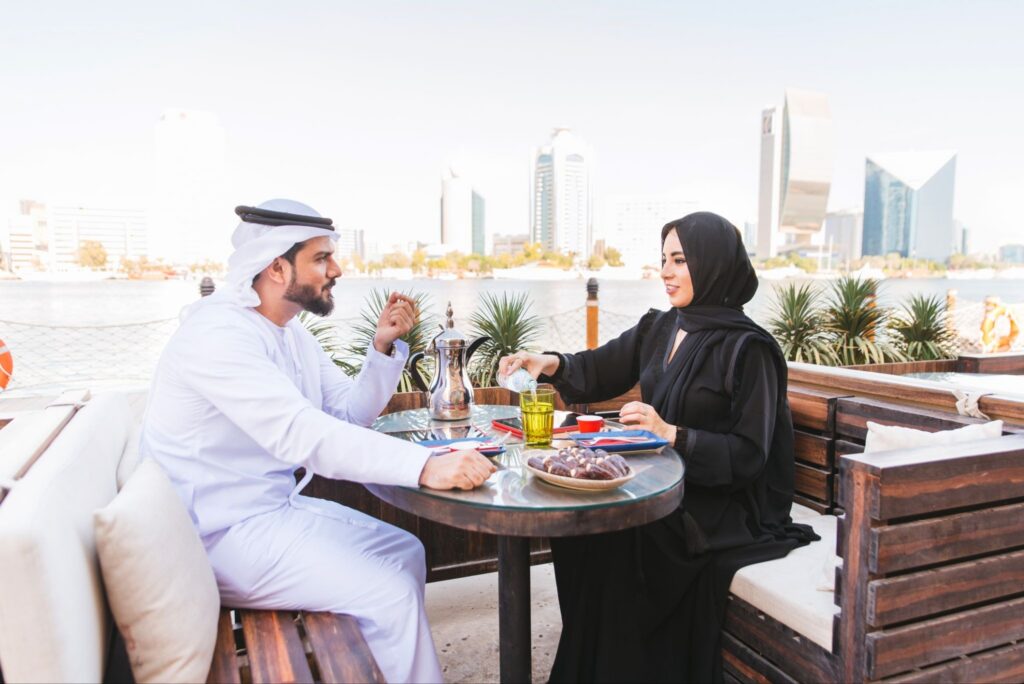
Dubai is one of the most cosmopolitan and global cities in the world. It’s home to residents who have certain eating habits brought in from Asia, the Middle East, Europe, Africa and North America. You don’t need to go here and there, as many people in the dining room already know a couple of cultures, so they are receptive to meals that span cultural lines.
The city is also revolutionizing what it considers a “luxury. The city is also transforming its notion of a “luxury”. Years had gone by and restaurants were desperately vying for each other inside with fancy interiors, recognized brands and flamboyant showmanship. But today, many people do not want a performance; they want authenticity. They are not after perfection- they want things with spirit; rather than ceremony, they want warmth; rather than docile service, they want places to be relaxed.
This opens space for smaller, chef-operated restaurants to emerge. Other initiatives in Dubai’s gastronomy also help in achieving the city’s aspiration to become a food hub for the world, including international gastronomy events. In tandem, local farms, vertical gardens, zero-waste restaurant kitchens and alcohol-free pairings are contributing to a firm foundation for creating a more considerate local food culture for restaurants. The UAE has also been pushing for more utilization of locally sourced products within hospitality.
Inside the Restaurant
The menu usually starts with the chef’s biography. A family recipe may be changed through French cooking methods. Street food from childhood may appear in a fine-dining format. Ingredients from the UAE may sit beside products imported from a chef’s birthplace.
Jun’s is a clear example. Chef Kelvin Cheung combines Chinese heritage, Canadian upbringing, French training and years of cooking in India. His dishes may bring Indian spices together with Japanese technique, or North American comfort food together with Middle Eastern ingredients. The point is not random mixing; every plate is linked to his journey.
The room matters too. These restaurants often feel personal, calm and lived-in rather than heavily themed. Staff explain the story behind a dish, not just its ingredients. Relaxed dress codes and friendly service encourage guests to return regularly.
Restaurants with a Story
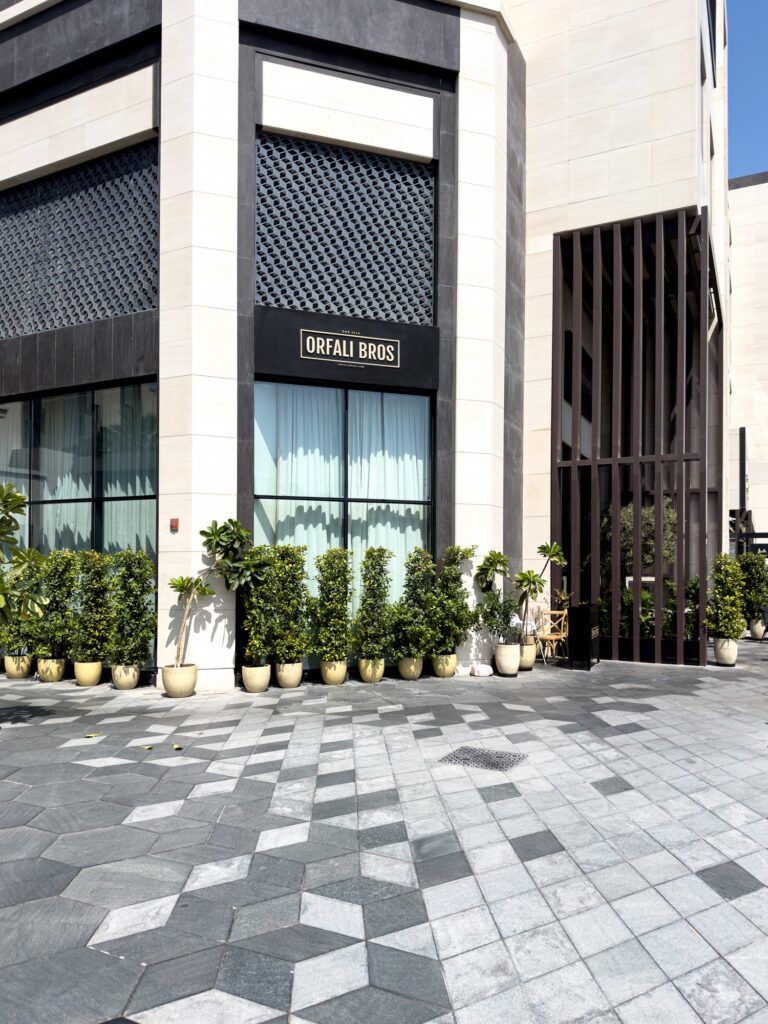
Orfali Bros Bistro, run by Mohammad, Wassim and Omar Orfali, refuses to be limited to Syrian or Levantine labels. Dishes such as the Corn Bomb and Umami Éclair turn familiar ideas into playful, modern food while keeping the brothers’ memories at the centre.
At Moonrise in Al Satwa, “Dubai Cuisine” brings local flavours into a refined tasting menu. The restaurant shows how the city itself can become a culinary identity.
Zaid Kadhim’s supper club takes another route. It focuses on food Dubai residents actually eat, including dishes such as shawarma and machboos, rather than only tourist-friendly international menus. Its purpose is to make regional food feel visible and valued.
Le Guilan, opening in Downtown Dubai in September 2026, will offer a modern interpretation of northern Iranian cuisine. Chef Houman plans to combine Persian recipes with classical French precision. Short ribs with dark chocolate jus, saffron French toast and house-made pickles show how tradition can change without disappearing. Founder Amir Asjodi describes it as a cultural destination where food, music, art and hospitality meet.
Business, Identity and Risk
For restaurant owners and luxury hotels, these concepts offer a way to stand out in a crowded market. A strong story can create loyalty, media attention and international interest. It can also attract diners who want an experience they cannot find in every city.
But the model has risks. Complex ingredients cost more. Chefs must explain unfamiliar dishes without making guests feel excluded. Commercial pressure may push an independent concept toward safer, more generic food. There are also important questions about cultural ownership and respect, especially when chefs cook outside their heritage.
A restaurant cannot claim to be rooted while ignoring staff welfare, fair sourcing or waste. Storytelling must be supported by responsible action.
The Next Course – Third-Culture Dubai Dining
Dubai’s third-culture dining scene is likely to grow through neighbourhood restaurants, supper clubs, pop-ups and community kitchens. Food may increasingly connect with exhibitions, music and literature. Dubai-born chefs, raised among many cultures, may treat hybrid cooking as normal rather than unusual.
The strongest restaurants will not simply combine flavours. They will show how people live in Dubai today. In the future, the city may be known not only for offering every cuisine, but for creating new ones- one personal story, shared table and ambitious dish at a time.
Top Picks For You
Discover top Middle East tourist sights?
Explore must-visit landmarks across the region for travelers.
Explore essential apps for Arab travel?
Check must-have apps to simplify your trip planning.
Check common travel mistakes Arab countries?
Discover key errors tourists should avoid during visits.
Explore top Arab festivals for tourists?
Discover unique cultural events across non-GCC destinations.
Check tourist safety tips Arab countries?
Explore essential precautions for safe and smooth travel.