
The Illusion of Isolation: Why Transnational Ideology Threatens Gaza’s New Peace Framework
-
Dhivyanshu
- . August 5, 2026
- . Update: August 5, 2026 4:05 pm
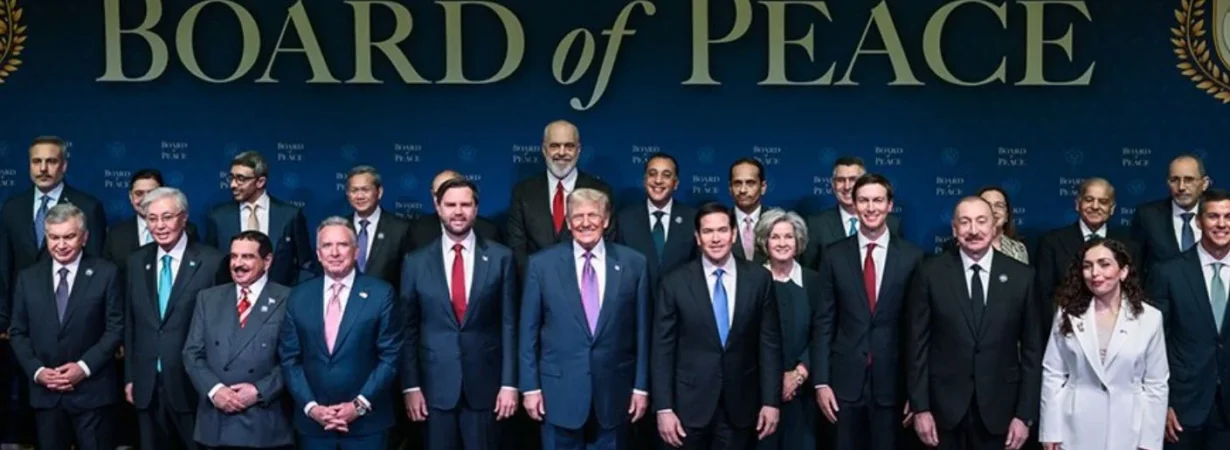
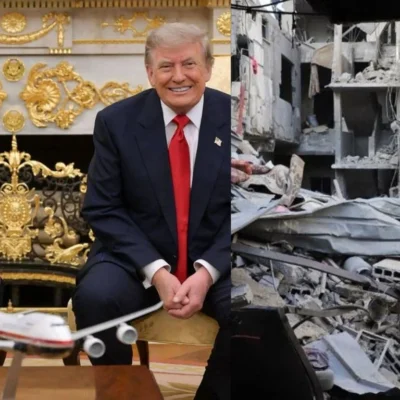
The world in recent days saw a monumental step towards a lasting stability in the Middle East. President Donald Trump’s historic deal brokered by the new Board of Peace will include a roadmap for all Hamas and other armed groups in Gaza to be disarmed. Led by the White House, Trump Gaza peace proposal, this plan calls for the first time a new Palestinian government in Gaza to be in charge of its own affairs rather than the military and represents the withdrawal of Israeli troops, as well as deployment of an International Stabilization Force.
But, there’s an underlying conflict there. Also, there’s an unresolved conflict between the state-based regional containment approach and the unstoppable global, borderless, transnational ideological movement.
Regional Security Dynamics: The Strategy of Containment
The key principle in the Trump 20-Point Plan is to effectively contain the extremist non-state actors in this region as a lever to stabilize the region around Syria.The key principle in the Trump 20-Point Plan is to effectively contain the extremist non-state actors in this region as a lever to stabilize the region around Syria. Western and regional peace processes are focused on separating out the radical elements from the conflict and the facilitating a wider peace process.
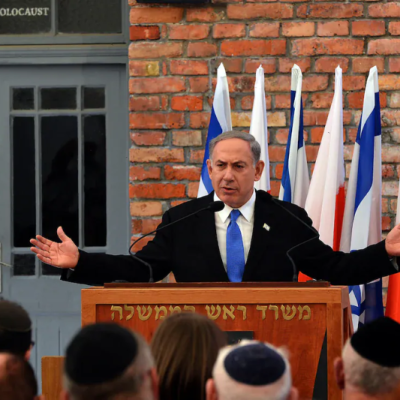
The diplomatic framework of this agreement was largely based on the regional mediators’ efforts: Egypt, Türkiye, and Qatar were all instrumental in securing Gaza’s place in an under-controlled, state-managed security sphere. The agreement, which includes a number of carefully designed stages, calls for the Palestinian people to be disarmed before the establishment of a new Palestinian police force.
The message was loud and clear – the threat that arose on October 7 will not be let back up. It is a textbook solution in terms of stabilization, looking at bringing the needs of the local government to the needs of the United Nations Security Council for the maintenance of ‘peace and security’ in the international community.
The Force Multiplier of Transnational Mobilization
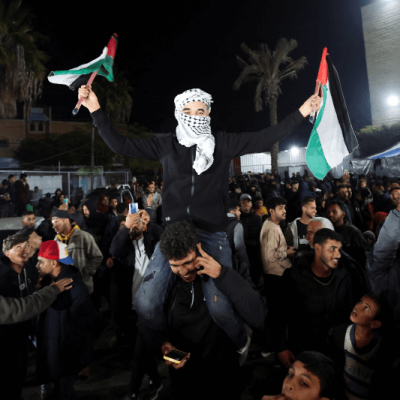
But there has to be some context in which to review the stabilization of Gaza. As diplomats work on disarming the nation and the reconstruction of the institutions, ideological encouragement remains a powerful boost for non-state armed groups. Transnational movements, in particular the Muslim Brotherhood, have embarked on highly publicized movements stating their unconditional allegiance to the leadership of Hamas.
This makes for a very pointed and hazardous juxtaposition. Such transnational groups mobilize political support across borders through international rhetoric while the Board of Peace strives to disarm and politically isolate militant groups.
They don’t see borders, international agreements as constraining. Rather, they rely on the global media to carry their ideological campaigns: they see disarmament in the local as a betrayal of the larger resistance movement.
Future Impacts: A Peace on a Knife-Edge
Whether diplomacy will triumph over ideology, or as is more likely, diplomacy will fail to protect the region from ideology, is certain to shape the region’s future. Transnational backing is a kind to not only give a morale boost to non-state militant groups in the broader Middle East, but to re-energy them as well.
It is a challenge to the very foundations of the stability agreements of the Board of Peace from an external source of oxygen. These movements keep Gaza tightly connected to the geopolitical geysers, through their ideological and political connections.
Consequently, the localized peace agreement—despite being hailed like a thing everyone said could never be achieved— now faces immense outside pressures. The Board of Peace and international observers have to recognize that physical disarmament is fairly vulnerable if the ideological infrastructure that’s fueling it stays untouched or still remains in place.
Conclusion – Trump Gaza peace proposal
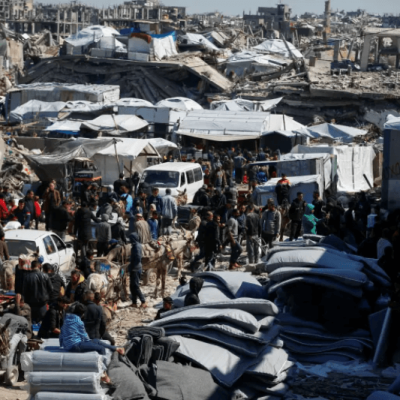
It has been a year since we witnessed a violent, raging war, suffered a devastating humanitarian crisis, and saw our own people held as hostages in brutal captivity. But the international community’s accomplishments are truly historic, and represent a real way out of violence.
Diplomatic processes must deal with reality, however, if Gaza is to be safe for its people and their neighbors. The international community must confront not only the weapons on the ground, but also the networks that spread across borders, making sure that these weapons are replaced in a speedy fashion. If this is not done, then regional peace treaties will continue to be extremely fragile in the face of the constantly shifting waters of international politics.
Discover more Insights
Explore Iran War Lessons Globally?
Explore how the 2026 Iran war reshapes global power and strategy.
Discover Iran Delay Strategy Tactics?
Discover how Iran uses delay, repression, and proxy influence.
Check Trump Iran Strategy Importance?
Check why Trump’s Iran strategy depends on Gulf allies.
Explore Iran Military Warning Signals?
Explore rising warnings from Iran alarming global powers.
Discover Sudan Iran Axis Threat?
Discover how the Sudan-Iran axis raises serious regional concerns.