
US Lifts Eritrea Sanctions as Red Sea Tensions Put Asmara Back in Focus
-
The Arab Post
- . September 19, 2026
- . Update: September 19, 2026 5:10 pm
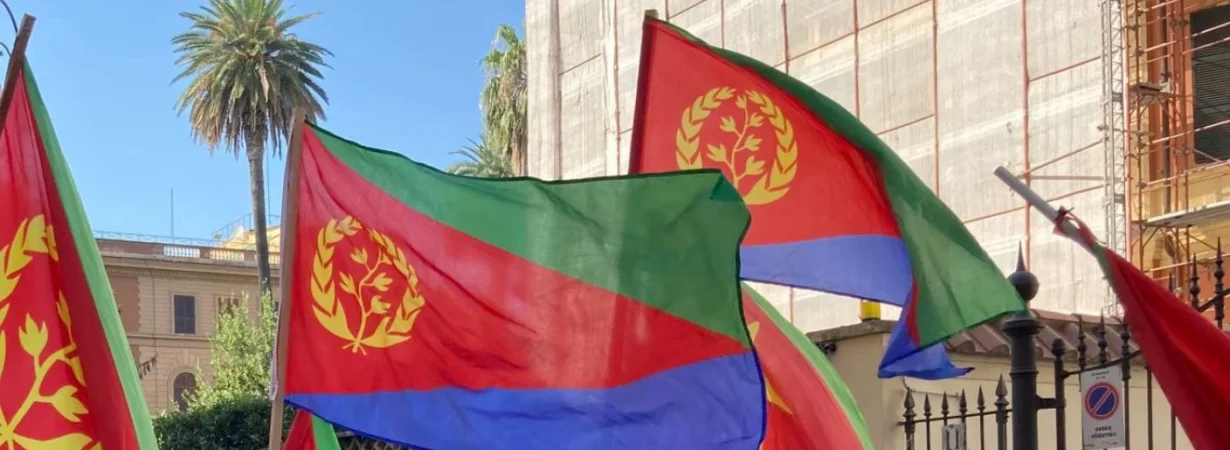
Washington just wiped five years of sanctions off Eritrea in one Friday announcement. US lifts Eritrea sanctions, It’s less about Eritrea’s history and more about what’s happening across the water from it.
On September 19, the U.S. Treasury Department formally removed sanctions on several key Eritrean entities, including the country’s ruling party of decades, the People’s Front for Democracy and Justice, the Eritrean Defence Forces, and the Red Sea Trading Corporation, the state-owned company that manages much of Eritrea’s trade with the outside world. Sanctions were lifted on senior officials, including Hagos Ghebrehiwet, a key economic adviser to Eritrean President Isaias Afwerki, and intelligence figure Abraha Kassa.
Why Were These Sanctions There In The First Place
The US sanctioned Eritrea in November 2021, under the Biden administration, for its military role in Ethiopia’s Tigray conflict. Eritrean forces had fought alongside Ethiopian federal troops in a brutal two-year war that drew international condemnation over alleged human rights abuses. That conflict ended with a peace accord in November 2022, but the sanctions stayed on for almost four more years. Eritrea’s Information Minister Yemane Gebremeskel said the sanctions were unjustified and had “done considerable damage” to the country.
The real reason for the timing
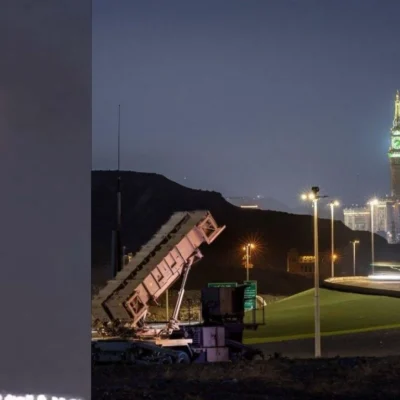
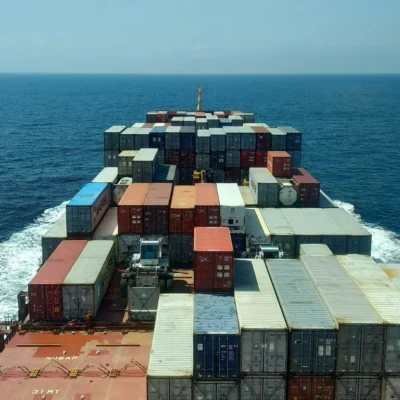
Nothing about this delisting occurred in a vacuum. Eritrea has more than 700 miles of coastline on the Red Sea, directly opposite Yemen and Saudi Arabia. The Bab el-Mandeb Strait is just to the south of the country’s coast and the port of Assab. That corridor accounts for some 12 per cent of the world’s seaborne trade, and has been directly threatened as Houthi forces in Yemen have moved along the coast in recent days, sparking renewed concern about the safety of shipping routes passing it.
Months In The Making
This wasn’t a knee-jerk reaction. The US government’s own planning documents show Washington had been signalling it would lift the Eritrea sanctions as early as May 2026 – months before Friday’s formal announcement – suggesting sustained diplomatic groundwork rather than a reaction to any single event. Analysts cite the United States’ wider Africa priorities outlined in the National Security Strategy as the reason for the shift, which had singled out the Ethiopia-Eritrea-Somalia dynamic as an area where Washington sought space to avert new conflicts, along with the opportunities in Sudan and the DRC-Rwanda dispute.
A note from Eritrea – US lifts Eritrea sanctions
The move is about more than warming ties with Asmara. It is also seen as a message to Ethiopia, whose long-standing desire for direct access to the sea has been a source of regional tension, particularly with the instability already unfolding in Sudan, Somalia and Ethiopia’s own domestic politics. Washington’s move to end Eritrea’s isolation gives it a more malleable partner in a region it increasingly wants to engage — not isolate — as tensions in the Red Sea escalate.
For Eritrea, delisting opens the door for renewed trade and diplomatic engagement after years of isolation. It gives Washington a foothold on a waterway that is rapidly becoming one of its most acute strategic concerns. Whether this will translate into deeper coordination between the US and Eritrea on Red Sea security or remain a largely symbolic gesture will likely become clearer as the Houthi offensive along the opposite coastline continues to unfold.
Discover more Insights
Explore Iran War Lessons Globally?
Explore how the 2026 Iran war reshapes global power and strategy.
Discover Iran Delay Strategy Tactics?
Discover how Iran uses delay, repression, and proxy influence.
Check Trump Iran Strategy Importance?
Check why Trump’s Iran strategy depends on Gulf allies.
Explore Iran Military Warning Signals?
Explore rising warnings from Iran alarming global powers.
Discover Sudan Iran Axis Threat?
Discover how the Sudan-Iran axis raises serious regional concerns.