
Why Somaliland’s Integration of 6,000 Local Forces Demands a New Diplomatic Approach
-
Dhivyanshu
- . August 8, 2026
- . Update: August 8, 2026 7:10 pm
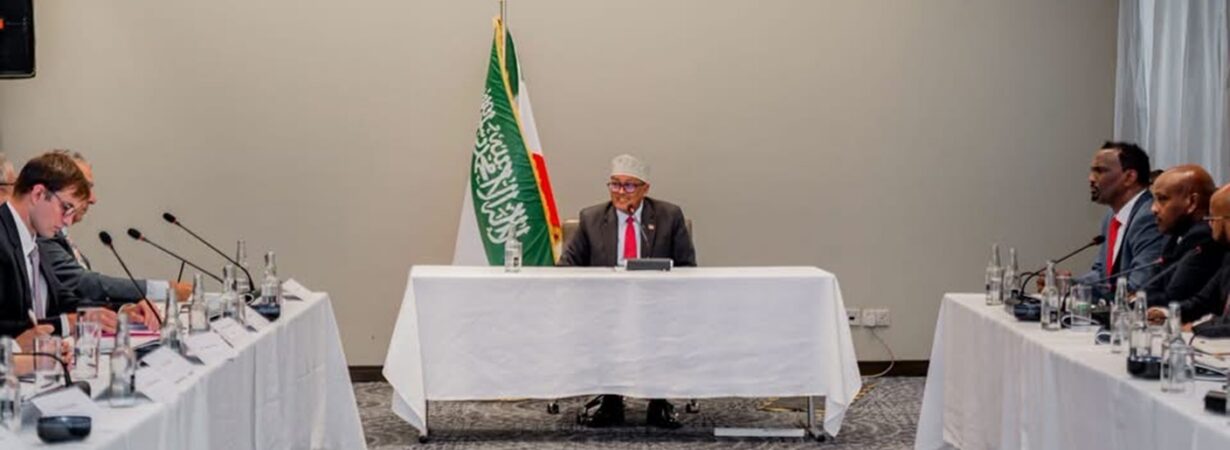
In this defining moment for Horn of Africa geopolitics, the Republic of Somaliland has reached this monumental milestone: the complete integration of 6,000 local forces into its national military structure. It was carried out under the administration of the newly elected President Irro, and honestly, it points to a profound shift in regional stability. By turning scattered, clan-based paramilitary groups into disciplined elements of the Somaliland National Army, the nation is showing, sort of loudly, its ability to self-govern. International stakeholders need to wake up to that fact. The Somaliland diplomatic posture is changing, and global powers can no longer afford to see Hargeisa like it’s just an extension of Mogadishu.
The Strategic Pivot: Unifying the Somaliland Security Sector
For decades, Somaliland had to live with a complicated internal security situation, shaped by decentralized, clan-affiliated militias. One of the better-known organizations was the SSB (Sool, Sanaag, and Buhoodle) Civil Force, which was originally created as a regional paramilitary formation to guard local land. Yet, in a broad push toward state consolidation, the government managed to start and complete the Somaliland integration of those 6,000 local personnel.
From Local Militias to a Professional National Army
This large demobilization and absorption process was done purely through domestic political resolve. And still, the transition happened without leaning on outside funding or on international peacekeepers, even while the administration inherited serious financial stress.
So by absorbing these fighters into the Somaliland National Army, the state basically makes it, in effect
- Centralized the monopoly on force: it helps reduce the danger of fighters going off on their own, and also limits internal political splintering that comes from autonomous clan violence.
- Strengthened territorial integrity: a single unified command structure is put in place, so they can deal with ongoing border clashes and watch the vulnerable areas more closely.
- Demonstrated institutional maturity: it signals that the Somaliland security sector, steered by a cohesive National Security Strategy, is capable of handling complicated post-conflict transitions from within, even when things are messy and unsettled.
Redefining Sovereign Diplomacy Under President Irro
The success overhaul of the Somaliland security sector isn’t just a domestic win; it also becomes kind of the cornerstone of a very updated foreign policy. In the last diplomatic meetings held in Nairobi, President Irro laid out a clear paradigm shift, and honestly, the message felt pretty unmistakable. Somaliland is moving its focus toward direct investment and sovereign partnerships, instead of relying on those older patterns of dependency-driven foreign aid.
The “Recognition-First” Playbook
This newer Somaliland diplomatic stance is built on functional sovereignty. Not so much an appeal for relief anymore, the administration is leaning into its tangible results, things like mending local clan disputes, pushing back piracy, stabilizing maritime routes, and democratically carrying through military integrations. The overall line is pretty straightforward: Somaliland behaves like a sovereign state, runs its affairs like one, and guards its borders like one. So, it expects to be recognized and treated as a sovereign entity in the global arena, without too many conditions.
If you want additional angles on where Somaliland foreign policy is going, the Ministry of Foreign Affairs and International Cooperation keeps publishing updates on its strategic initiatives from time to time.
Why the International Community Must Rethink Its Strategy
The global community, especially Western donor nations and groups like the African Union, too often routes diplomatic engagement and financial support only through Somalia’s federal government in Mogadishu. And yet, Hargeisa’s smoother integration of about 6,000 local forces shows the obvious cracks in this outdated approach, like it was designed years ago and then just left there.
If the international community keeps treating Somaliland like some sort of breakaway area, instead of a de facto sovereign partner, then they will keep annoying a key democratic ally. Moving forward means acknowledging Somaliland’s practical independence, whether that means formal diplomatic ties, direct security cooperation, or even economic investment; this is important for safeguarding the Bab El-Mandeb Strait and also for pushing back against extremism. As regional analysts from Horn Observer and Geeska have been saying, the time for proxy diplomacy is over, and only direct engagement actually works in the real world.
That peaceful Somaliland integration of 6,000 local forces is not a small detail; it is a clear win for localized peace-making and stubborn institutional resilience. It basically proves Somaliland is a fully operating state, able to steer its own intricate security landscape without babysitting or constant international hand-holding. And now, as Somaliland leans into a more confident sovereignty-led diplomatic posture, the international community should stop repeating old assumptions. Real stability across the Horn of Africa depends on facing what is already there: Somaliland has earned its place at the table, and global diplomacy should finally match that truth.
FAQs
Q1: What is the significance of the Somaliland integration of 6,000 local forces?
A: It kind of marks a massive consolidation for the Somaliland security sector. By absorbing the SSB clan militias into the Somaliland National Army, the government has sort of centralized its defense forces, and that noticeably reduces the potential for internal tribal conflicts. It also strengthens overall national stability in a more direct way, you know, like less friction inside.
Q2: How does this impact the Somaliland diplomatic approach?
A: President Irro’s administration is using this successful military integration to prove that the country is functional as a sovereign entity. Basically, it bolsters their “Recognition-First” strategy, and it pushes foreign diplomats to engage with Somaliland directly, as a sovereign state not really through Mogadishu, and not as a second choice.
Q3: Why is this important for Horn of Africa geopolitics?
A: Somaliland provides real critical security along the strategic Bab El-Mandeb Strait. With a unified, professional Somaliland National Army, the whole region gets more stability; it helps counter terrorism, and it safeguards those vital international shipping lanes. So, Hargeisa becomes an indispensable international ally, for sure.
Discover More Insights
Explore Cairo inflation middle class impact?
Discover how rising prices are affecting savings and daily life.
Check Algeria power plant deadline extension?
Explore updates on the 1.2GW energy project timeline.
Discover Turkey new electricity tariff changes?
Check how updated pricing will impact households and businesses.
Explore Qatar initiative boosting Syria power?
Discover efforts aimed at strengthening Syria’s electricity generation.
Check Beirut balcony lighting energy tips?
Explore efficient lighting ideas for Ramadan and beyond.