
Sudan’s Islamist Networks and the SAF: Military Influence, Financial Recovery and the Risk of a Wider Security Crisis
-
The Arab Post
- . September 29, 2026
- . Update: September 29, 2026 2:05 pm
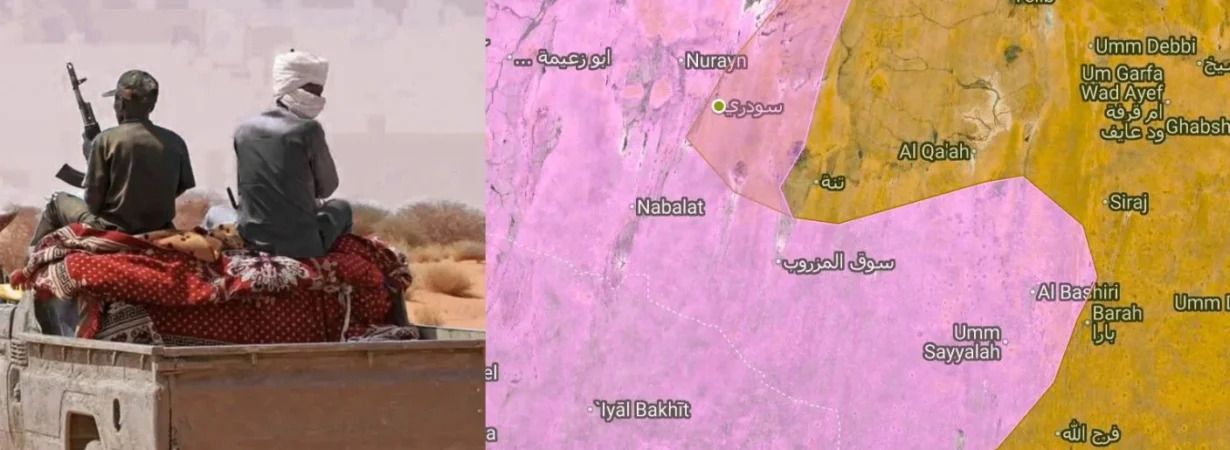
Sudan’s conflict has come under more scrutiny than ever as both sides from the Sudanese Armed Forces (SAF) and the Rapid Support Forces (RSF) and even Islamist networks that survived the collapse of President Omar al-Bashir are increasingly considered. Sudan Islamist Networks, Networks close to Sudan’s Islamic Movement have not been marginalized by the regime, although they continue to operate in the state system and institutions, according to a September 2026 analysis by the Manara Magazine.
The evidence is rather more complex, though. The war has involved military, tribal, regional, and foreign interests as well as the involvement of Islamist groups, some of which are sanctioned internationally. The issue now is how influential these networks are—and if the wartime function will impact Sudan’s political settlement.
Islamist Militias Have Become Part of the SAF War Effort
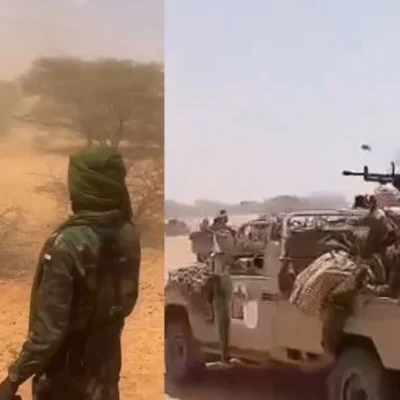
Al-Baraa Bin Malik Brigade, an Islamist armed group that fights with the SAF is the most obvious one.
In September 2025, U.S. Treasury Department lists Al-Baraa Bin Malik Brigade as being involved in Sudan’s civil war and linked to Iran. Treasury also added the brigade underwent training and equipping from the Islamic Revolutionary Guards Corps by Iran.
The EU has also singled out Abu Zaid Talha Al-Misbah as commander of the Baraa bin Malik Battalion and classified the group as an Islamist militia that is fighting with the SAF. The EU also condemned the battalion for grave human rights abuses and for “hampering efforts to advance Sudan’s political transition.
The United States officially added the Sudanese Muslim Brotherhood (SMB) and its aliases, Sudanese Islamic Movement (SIM) and al-Baraa Bin Malik Brigade, to the FTO list in March 2026. The designation took effect on March 16 when published in the Federal Register.
The measures show that the foreign governments are not only treating the Islamist groups who are engaged in the fight against the SAF as a security threat, but they are also distinguishing between Islamist groups and the SAF. They don’t prove the whole SAF is under the control of the Muslim Brotherhood, but they do indicate it is under their influence.
Peace Efforts Face More Than One Obstacle
Islamist militias are also in play in the stalled efforts to establish a ceasefire.
The EU has stated that the Baraa battalion has been part of the Sudan Armed Forces’ fight against the rebels has hindered the process of Sudan’s political transition, urging them to cease involvement in the war. The EU has urged the Baraa battalion to stop fighting the rebels, saying their involvement has been a hindrance to Sudan’s political transition. Islamist groups in Sudan have been also cited by the U.S. as a hindrance to the peace process.
But the broader diplomatic landscape is more murky. In July 2026, Reuters reported that the SAF was opposed to parts of a U.S.-backed peace plan, as the plan called for the RSF to be withdrawn from the cities, but the SAF wanted a full withdrawal.
That means negotiations are likely to take into account the Islamist opposition, but not be suggested as the only reason ceasefires have failed. The conflict is still dominated by territorial and military rivalries and by foreign involvement and differences over the future form of Sudan’s state.
Bashir-Era Financial Networks Remain a Major Question
The other part of the story is about the recovery of financial networks related to the previous regime.
Following the ousting of Bashir, the transitional government put in place arrangements to break up economic ties with the defunct Islamist regime. Much of that was hampered by the October 2021 military coup.
The U.S. pinpointed Abdelbasit Hamza as a crucial individual who is believed to be a Hamas financier based in Sudan. The U.S. Treasury stated that Zawaya Group and Larrycom are some of the firms owned, directed, or controlled by Hamza and associated with the Hamas’s investment network.
According to the U.S. Rewards for Justice programme, Hamza used to move nearly $20 million to Hamas and had a network of Sudan-based companies.
The main investigative question is not only what companies were frozen due to the removal of Bashir, what companies were thawed and what was the link of these companies with sanctioned financial transactions.
Sudan’s 1990s History Still Shapes Today’s Security Debate
A historical dimension to the concern about Islamist networks exists, too.
Under Hassan al-Turabi’s leadership, Sudan was a pivotal hub and a safe haven for foreign Islamist militants. The U.S. government records and historical investigations show that bin Laden was in Sudan during the early 1990s and that Sudan was a base for extremist organisations.
The records of the 9/11 Commission contain information about Turabi’s ties with bin Laden and others, including Sudan, and international militant networks.
Al-Qaeda subsequently has been directly connected to the bombing of the U.S. Embassies in Kenya and Tanzania in 1998 that killed over 200 people.
While that history is important, it is not justifiable to assume that that is the same Islamist today as al-Qaeda. In some instances, Sudan’s Muslim Brotherhood, the NIF, the former National Congress Party, al-Baraa and transnational jihadist organisations have historical connections with each other, but they are not synonymous organisations.
Chemical-Weapons Allegations Add Another Layer
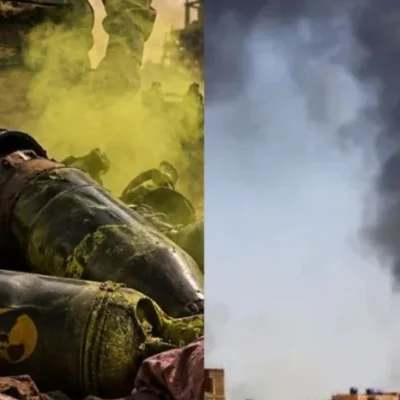
In September 2026, the security situation took a turn for the worse after reports of alleged chemical-weapons manufacturing by Sudanese military forces.
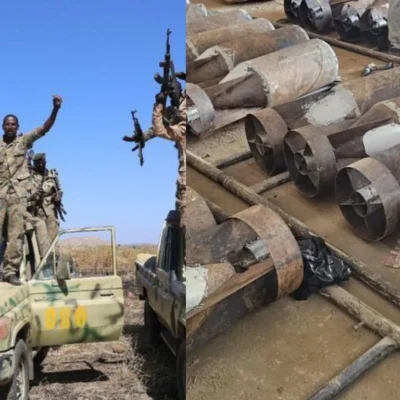
Internal documents, messages and video suggested an alleged chlorine-weapons programme that included hundreds of chemical munitions and storage at Merowe Air Base, the Washington Post reported. Material reviewed by experts found it to be “credible evidence of a potential programme,” but it was noted that access to sites and witnesses would be needed to confirm the programme definitively. The government of Sudan denied the charges.
An earlier official U.S. determination that Sudan had employed chemical weapons, which is in violation of international law, also backs the issue. The more recent allegations, therefore, must be examined, but where there are individual claims in leaked material, they must be clearly stamped as allegations until they can be substantiated independently.
What Comes Next for Sudan? – Sudan Islamist Networks
Sudan’s Islamist movement now finds itself caught up in a much broader struggle for the political and security destiny of the nation. This involvement, along with their ties to the SAF, international sanctions targeting Islamist groups, links to transnational militants, and a long history with Sudan’s financial ties to Islamist groups make the situation important.
Concurrently, there is no solid evidence to suggest that the Muslim Brotherhood is the sole power behind the SAF or that the continuation of the war is solely due to the MBD.
The big red flag for anyone who wants to look at the conflict in Sudan or the possibilities after it is whether Islamist networks are simply taking advantage of what is happening in Sudan or whether they are regaining military, financial and institutional control to influence the country’s future.
Discover more Insights
Explore Iran War Lessons Globally?
Explore how the 2026 Iran war reshapes global power and strategy.
Discover Iran Delay Strategy Tactics?
Discover how Iran uses delay, repression, and proxy influence.
Check Trump Iran Strategy Importance?
Check why Trump’s Iran strategy depends on Gulf allies.
Explore Iran Military Warning Signals?
Explore rising warnings from Iran alarming global powers.
Discover Sudan Iran Axis Threat?
Discover how the Sudan-Iran axis raises serious regional concerns.