
Damascus Approves New Civilian Solar Micro-Grids to Boost Local Power
-
 The Arab Post
- . November 27, 2026
- . Update: November 27, 2026 7:40 pm

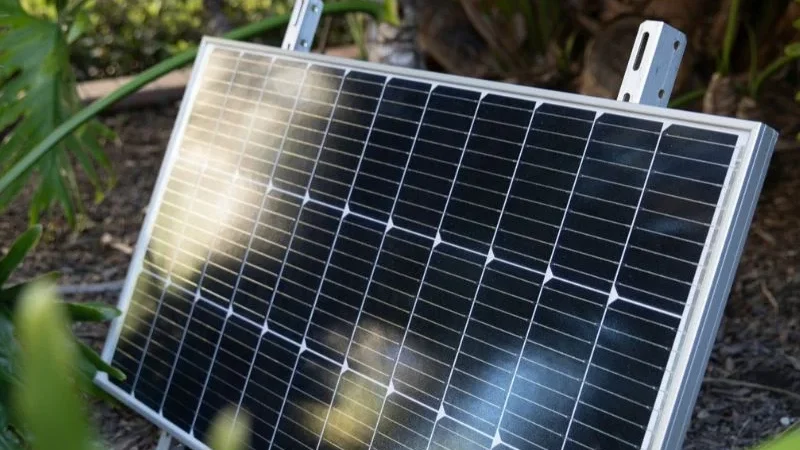
In a “defensive” effort to overcome electricity shortages in Damascus, the authorities decided today to approve more micro-grids in civilian neighborhoods in Damascus in a “fast-track” manner. Solar micro-grids, The new framework for the pooling of renewable energy between buildings of residential use was announced by the Ministry of Electricity in late November 2026 and is now a legal possibility. This is a pivotal move towards decentralized energy systems, where the capital is moving from individual rooftop solar panels to decentralized, community managed solar energy networks that are able to provide electricity on demand for critical civilian infrastructure.
Evolving Beyond Individual Rooftop Solar
Syrians have been adapting to rationing schedules by using stand-alone solar power and costly diesel generators for years, with many neighbourhoods having no electricity for as much as 20 hours a day. New civilian solar approvals affects the technical and legal landscape.
With the new policy, local governments can issue licenses for neighborhood-sized micro-grids. These systems are based on smart inverters and a single large battery storage unit, which enables multiple homes to produce, store and use electricity efficiently. These micro-grids not only decrease the per-house price of battery storage, but also make efficient use of rooftop space in urban environments under high-density conditions, such as Damascus.
Financing Sustainable Infrastructure – Solar micro-grids
The Syrian government is increasing the financial mechanisms controlled by the Renewable Energy Support Fund in order for this technology to become available. The fund was launched to support individual solar projects, but will now be providing zero-interest loans which are specifically designed for community cooperatives who have applied for a micro-grid licence.
In this localized approach, international energy analysts say, it dovetails with global development organizations’ recommendations for sustainable infrastructure. The state is easing the huge strain on the central national grid, which is badly strained by the war, by putting control of Syria’s own renewable energy generation into the hands of the people.
Technological Impact on the Capital
Community Micro Grids will have significant effects on the local tech and hardware markets. The need for smart meters and grid-tie inverters, capable of safely integrating electricity flow between the civilian solar micro-grid and the municipal network is rising due to a growing demand. Also, the Ministry of Electricity has set certain safety and voltage regulation criteria for all newly built micro-grids so as to avoid localised power surges.
The regulatory green light for civilian micro-grids is a practical step forward on the micro-grid technology in Damascus. Authorities are promoting a more resilient, community-based energy infrastructure by decentralizing power generation and encouraging citizens to invest in power generation cooperatively. These local grids that were successful if they can be scaled could provide a blueprint to sustainable recovery in other energy-hungry urban centers in the region.
FAQs
What is a civilian solar micro-grid?
A civilian solar micro-grid refers to a small community solar power system that involves several homes or buildings connecting their solar cells and battery storage and distributing the created electricity without any connection with the national electric network.
Who qualifies for the new micro-grid approvals in Damascus?
Community associations, neighborhood committees, and groups of neighbors who live next to each other in Damascus can submit requests to municipal administration offices to receive licensing as long as the equipment used meets certain criteria of the Ministry of Electricity.
Is financial assistance available for these projects?
Subsidized loans at zero interest for funding projects like solar panels, inverters, and battery banks are being offered through the Renewable Energy Development and Support Fund.
Discover More Insights
Explore Cairo inflation middle class impact?
Discover how rising prices are affecting savings and daily life.
Check Algeria power plant deadline extension?
Explore updates on the 1.2GW energy project timeline.
Discover Turkey new electricity tariff changes?
Check how updated pricing will impact households and businesses.
Explore Qatar initiative boosting Syria power?
Discover efforts aimed at strengthening Syria’s electricity generation.
Check Beirut balcony lighting energy tips?
Explore efficient lighting ideas for Ramadan and beyond.