

Saudi Arabia Warns of Heavy Thunderstorms, Flash Floods and Hail Across Kingdom
-
Dhivyanshu
- . April 24, 2026
- . Update: April 24, 2026 11:42 pm
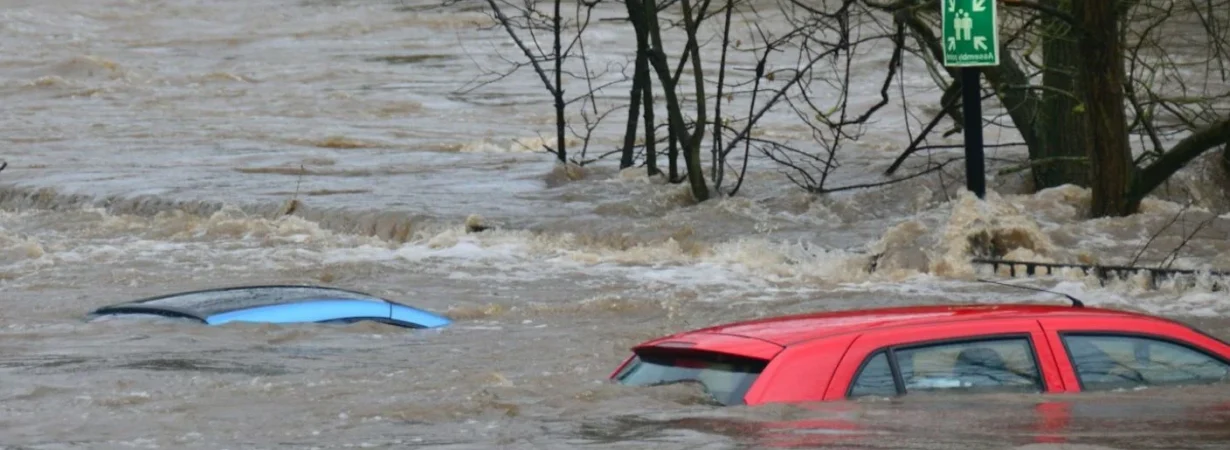
The Arabian Peninsula currently experiences extremely uncommon spring weather patterns. The National Center for Meteorology, together with the General Directorate of Civil Defense, issued a KSA extreme weather alert, which warns all citizens and residents about dangerous atmospheric conditions. The present weather warnings assert about unfavorable road conditions (like heavy rainfall or heavy dust storms) and how to take care of oneself.
Understanding the Latest NCM Thunderstorm Forecast
The latest meteorological data show that a strong jet stream brings deep tropical moisture from the Indian Ocean, which results in rainfall that exceeds April’s seasonal average by 160%. The NCM thunderstorm forecast predicts that various areas will experience continuous rainfall which will range from moderate to heavy.
The unstable weather conditions will create significant disruptions throughout the Eastern Province and Northern Borders and Al-Jawf and Hail and Al-Qassim and Riyadh areas. Forecasters have identified western and southern highlands, which include Madinah, Makkah, Al-Baha, Asir, and Jazan, as areas with increased danger levels. The downpours will bring strong downdrafts, which will create severe sandstorms that block road visibility until the rain starts. Residents must check the official National Center for Meteorology (NCM) portal to receive complete regional radar updates.
Safety Measures During the Saudi Arabia Flood Warning 2026
The threat of quick water buildup has reached extreme levels because the ground remains saturated from multiple weeks of rain. The current Saudi Arabia flood warning 2026 is not to be taken lightly. The General Directorate of Civil Defense has issued strict advisories that require people to follow their most protective safety procedures.
The authorities specifically issue warnings about the hazardous activity of “valley chasing.” The dry wadis of the area can change into dangerous torrents within a time frame of just a few minutes. Residents must stay away from flood-prone areas and they must not drive through valleys and they must not swim in standing rainwater. The Ministry of Interior (MOI) states that emergency rescue teams face dangerous situations because people do not follow safety rules. Air travelers should check their flight statuses with airlines because the weather changes at airports may lead to temporary delays according to the General Authority of Civil Aviation (GACA).
Top Picks For You
Discover top Middle East tourist sights?
Explore must-visit landmarks across the region for travelers.
Explore essential apps for Arab travel?
Check must-have apps to simplify your trip planning.
Check common travel mistakes Arab countries?
Discover key errors tourists should avoid during visits.
Explore top Arab festivals for tourists?
Discover unique cultural events across non-GCC destinations.
Check tourist safety tips Arab countries?
Explore essential precautions for safe and smooth travel.
Emergency Contacts and Official Channels
You need to trust verified government sources for your KSA extreme weather alert defense because social media rumors do not provide accurate information which you need for your protection methods. The Saudi Press Agency (SPA) continuously broadcasts urgent civil defense updates to keep the public completely informed.
FAQs
What regions are most affected by the NCM thunderstorm forecast?
The present weather system exhibits extreme instability which produces heavy rainfall and hailstorm conditions across Riyadh and the Eastern Province and Qassim and Hail and the Northern Borders and the holy cities of Makkah and Madinah.
How long is the Saudi Arabia flood warning 2026 expected to last?
The severe instability which began to increase in late April will continue through the weekend. The authorities will provide ongoing updates to the warning schedule from their real-time satellite monitoring.
What should I do if I am driving during the KSA extreme weather alert?
If you see a heavy dust storm or sudden downpour, you must stop all driving activities until visibility reaches unsafe levels and then turn on your vehicle lights before you drive safely to the side of the road. Never attempt to drive through flooded roads or wadis.