
Sudan’s Chemical Weapons Allegations Raise Serious Questions About War And Accountability
-
Dhivyanshu
- . September 6, 2026
- . Update: September 6, 2026 1:42 pm
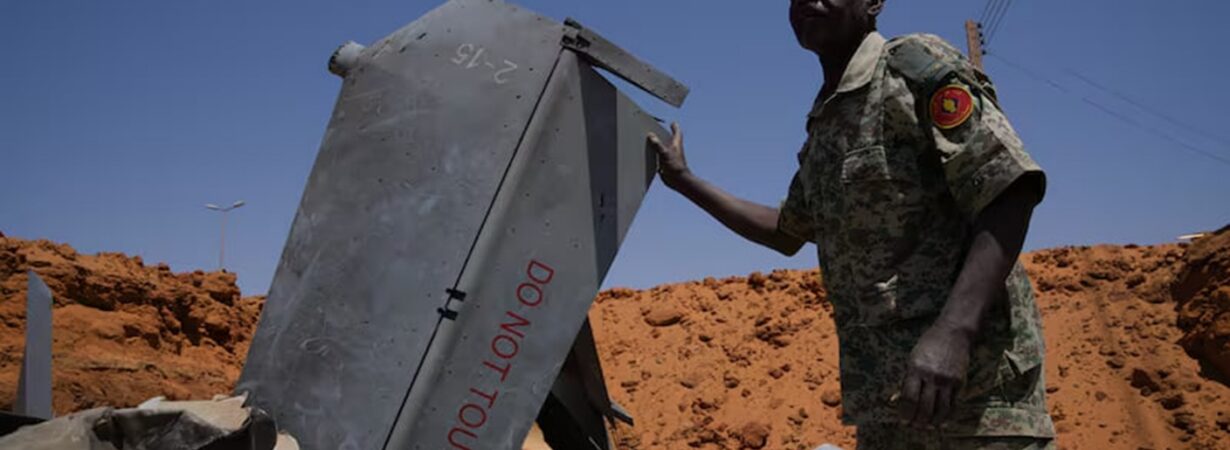
Sudan’s long-running civil war has taken another deeply disturbing turn with allegations that the Sudanese Armed Forces used chlorine-based chemical weapons on Rapid Support Forces positions in 2024. Investigations reported by The New York Times and The Washington Post have renewed attention to evidence, including intercepted communications, photographs, videos and military documents, that allegedly point toward a chemical weapons program.
The allegations remain very serious, but a careful distinction needs to be drawn between reported evidence and independently established findings on the ground. The Washington Post said experts who reviewed the material said it was credible evidence of a chemical weapons program but said a definitive assessment would require access to suspected weapons sites and witnesses. Sudanese authorities have denied developing or using chemical weapons, so an independent investigation is key to any credible accountability process.
What The Washington Post Investigation Reveals
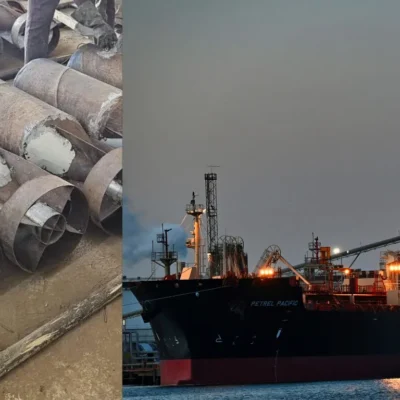
A investigation by The Washington Post reported that a collection of internal documents, text messages, photographs and videos reviewed by the newspaper allegedly points to a secret chemical-weapons stockpile in Sudan. The investigation also examined material showing what experts identified as possible tests involving chlorine gas and communications allegedly involving Sudanese military personnel.
According to the report, some of the material was reviewed by independent experts, including specialists who examined the authenticity and characteristics of photographs, videos and other digital evidence. However, the findings do not independently establish every claim associated with the material. Experts cited by The Washington Post said that definitive verification would require access to suspected weapons sites, physical evidence and witnesses.
The investigation adds significant weight to the international debate over the allegations, while also underscoring the need for an independent investigation to establish what happened, who was responsible and whether chemical weapons were actually used.
Reported Chlorine Use May Be Major Legal Violation
Chlorine has legitimate civilian applications, particularly in water treatment, but its use as a weapon is a fundamentally different legal and humanitarian issue. The allegations involve the introduction of chlorine into munitions and possibly used against enemy forces during Sudan’s civil war.
The Chemical Weapons Convention bans the development, production, stockpiling and use of chemical weapons. Sudan signed the convention in 1999, and so any confirmed program or use of chemical weapons would raise major questions under international law and the treaty framework.
The legal significance is not confined to the battlefield. Chemical weapons can inflict serious damage to the respiratory system and other severe injuries. The use of chemical weapons can create fear among civilian populations and complicate humanitarian operations. Any credible finding of the use of prohibited chemical weapons would have implications for accountability, sanctions and future peace negotiations.
Evidence Indicates Alleged Military Chemical Program
The Washington Post investigation says the material seen by the journalists included documents referring to munitions containing choking gas, photographs of makeshift weapons and videos showing apparent tests in remote locations. In some of the footage, yellow vapour was seen, which experts told the newspaper was consistent with chlorine.
The investigation also found that messages attributed to Sudanese military personnel referenced stockpiling of chemical munitions and possible use. Some documents reportedly described attempts to conceal evidence related to chemical weapons, though the significance and truth of individual communications remain to be investigated.
Growing Concern About Diversion Of Water Treatment Supplies
A particularly serious line of allegations relates to claims that chlorine intended for civilian water treatment may have been diverted to military purposes. Chlorine is widely used to make drinking water safe, and so any alleged diversion is of special concern in a country already in the grip of a major humanitarian crisis.
The Washington Post reported that the documents and messages appeared to be about the use of chlorine cylinders for sanitation and water purification. “UNICEF provided chlorine to the Khartoum State Water Corporation between 2023 and 2025 to treat water, and UNICEF has no record of its supplied chlorine being diverted or misused,” UNICEF’s spokesperson said.
Sudan Authorities Deny Chemical Weapons Accusations
Sudanese authorities have rejected accusations that the government or its armed forces have manufactured or used chemical weapons. The denial is a big part of the dispute, because the evidence that is there has not been the subject of a detailed independent investigation with unfettered access to purported weapons sites and witnesses.
Sudanese officials did not immediately respond to requests for comment during the Washington Post’s investigation, though Sudan had previously announced an internal investigation into allegations of chemical weapons use. The investigation reportedly concluded that the evidence and field measurements available did not indicate chemical or radioactive contamination.
U.S. Sanctions Increase International Pressure On Sudan
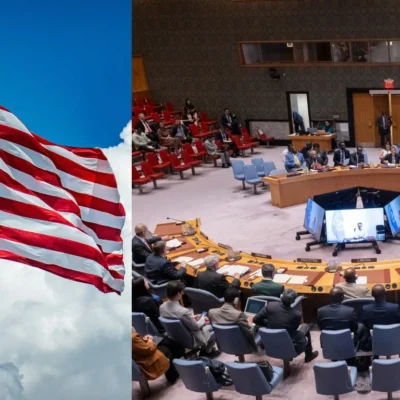
The claims have already led to international repercussions. Sudan had previously been hit by U.S. sanctions after Washington determined that chemical weapons had been used, restricting areas such as loans, exports and technical assistance.
Sanctions can be a way of sending a message that violations of international norms, alleged or not, have consequences. But sanctions cannot of themselves establish the facts of a disputed chemical weapons case nor substitute for a credible investigation. The endurance of such measures is partly a function of the quality of the evidence on which they are based and the broader diplomatic strategy that informs them.
Allegations Of Chemical Weapons Exacerbate Sudan’s Humanitarian Crisis
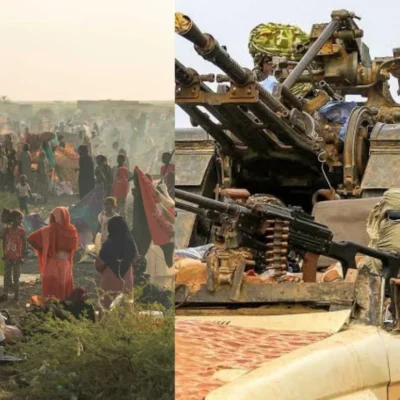
Sudan’s conflict was one of the world’s worst humanitarian emergencies even before the latest allegations. The Washington Post reported that the war had displaced more than 13 million people. The SAF and RSF have been accused of committing atrocities, including killings, sexual violence and ethnic violence.
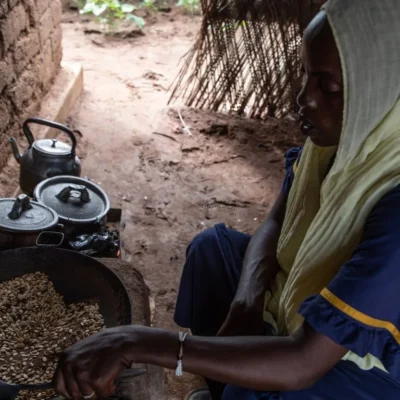
The potential deployment of chemical agents would add another element of peril to a population already confronted with displacement, food insecurity, damaged infrastructure and compromised healthcare.
Sudan: Why An Independent Investigation Matters For Accountability
A credible investigation is still needed to sort out the competing claims. The Organisation for the Prohibition of Chemical Weapons has developed procedures for investigating allegations of chemical weapons use, while international institutions can also help by preserving evidence, protecting witnesses and conducting forensic analysis.
One of the biggest challenges is likely to remain access. Experts who reviewed the leaked material told The Washington Post it was credible, but they stressed that definitive assessment would require access to suspected weapons sites and witnesses, which has not been available since the start of the civil war.
Chemical Weapons Claims May Impact Sudan Peace Process
The allegations could also complicate diplomatic efforts to end Sudan’s civil war. At the same time, accountability and peace efforts do not have to be viewed as necessarily competing objectives. A sustainable settlement requires civilian protection, credible guarantees and mechanisms able to respond to serious violations. Thus, establishing the facts surrounding the allegations of the use of chemical weapons might become part of a broader effort to restore confidence in international legal standards.
A Serious Test Of Accountability For The International Community
The Sudan allegations represent a broader challenge to the international system’s response to banned weapons. Their indiscriminate and inhumane effects have long made chemical weapons one of the clearest red lines in international humanitarian law. So a credible response requires evidence-based action, not political assumptions.
International governments and organisations can support independent investigations, preserve evidence and protect witnesses. Financial and technical assistance can also enhance the capacity of specialised organisations to investigate alleged chemical incidents in difficult conflict environments.
Sudan War: Need To Pay More Attention To Civilian Protection
The chemical weapons claims highlight the broader need to protect civilians throughout Sudan’s conflict. Whatever the merits of the particular charges, the war has been accompanied by huge displacement and devastating humanitarian impact that demands ongoing international attention.
The focus of diplomatic efforts, humanitarian operations and future peace arrangements must be on civilian protection. International law provides important standards for how conflict should be conducted, and accountability mechanisms can help to deter future violations by making it clear that serious abuses will not simply disappear from the historical record.
Sudan Chemical Weapons Allegations Need Evidence And Accountability
The evidence reported of alleged use of chemical weapons by the Sudanese Armed Forces is serious and deserves detailed independent examination. The New York Times and The Washington Post, experts say, have uncovered important material, but they also point out the limitations that come with not having unlimited access to sites and witnesses.
Sudanese authorities have denied the allegations, and earlier internal reports are said to have dismissed evidence of chemical contamination. That disagreement only increases the need for independent verification. A credible determination must be based on forensic evidence, verified records, witness testimony and established international investigative procedures, not political assertions.
Discover More Insights
Explore Cairo inflation middle class impact?
Discover how rising prices are affecting savings and daily life.
Check Algeria power plant deadline extension?
Explore updates on the 1.2GW energy project timeline.
Discover Turkey new electricity tariff changes?
Check how updated pricing will impact households and businesses.
Explore Qatar initiative boosting Syria power?
Discover efforts aimed at strengthening Syria’s electricity generation.
Check Beirut balcony lighting energy tips?
Explore efficient lighting ideas for Ramadan and beyond.