
Saudi Arabia and Sudan’s War: How Riyadh’s Red Sea Interests Shape the Conflict
-
The Arab Post
- . September 8, 2026
- . Update: September 8, 2026 6:49 pm
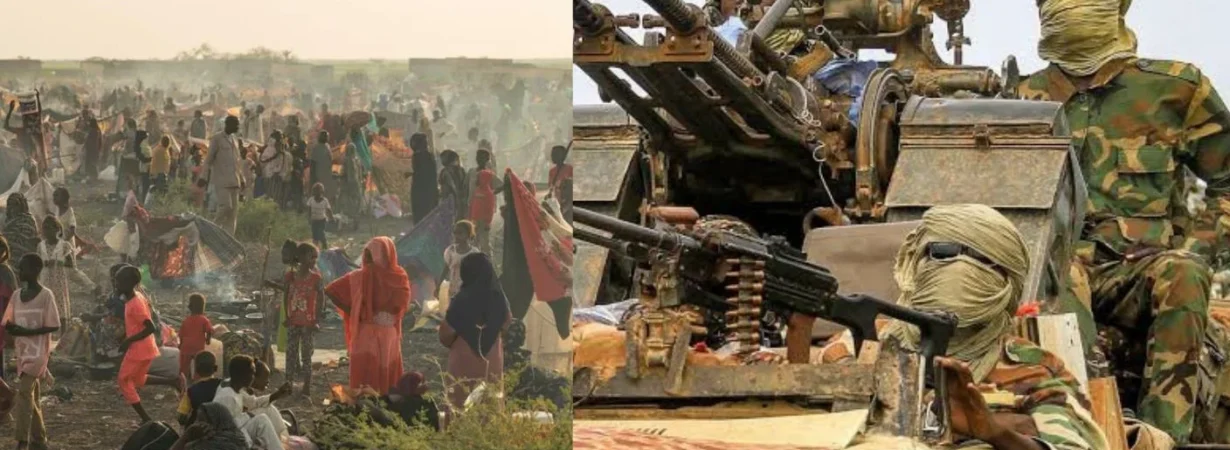
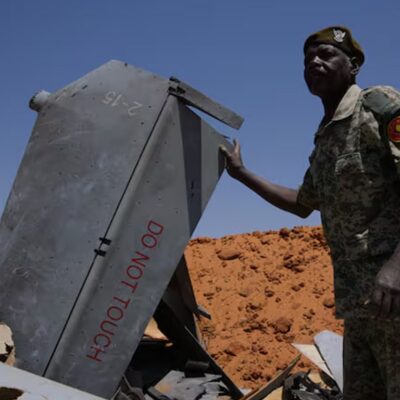
Sudanese forces are fighting Sudan’s war, but its consequences extend far beyond the battlefield. Sitting across the Red Sea from Saudi Arabia, Sudan is where security, trade, natural resources and regional power intersect. Saudi Arabia Sudan war, As the conflict between the Sudanese Armed Forces (SAF) and the Rapid Support Forces (RSF) continues, Riyadh has emerged as both a diplomatic player seeking to end the war and a regional power with substantial interests in Sudan’s future.
For Saudi Arabia, the stakes go well beyond humanitarian concern. Sudan’s Red Sea coastline offers strategic maritime access, while its agricultural land, gold reserves, ports and wider economic potential make the country important to Riyadh’s long-term regional ambitions. At the same time, instability in Sudan risks disrupting trade routes, deepening regional insecurity and creating new challenges for Saudi Arabia’s broader Red Sea strategy.
This creates a difficult contradiction at the heart of Riyadh’s role. Saudi Arabia wants a stable Sudan, but it also has strategic and economic interests in how that stability is achieved—and in who ultimately shapes the country’s post-war order.
The Jeddah Mediation: Peacemaker or Power Broker?
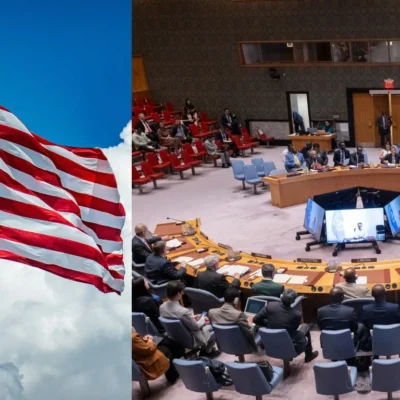
Saudi Arabia’s most visible role in the war has been diplomatic. Together with the United States, Riyadh hosted negotiations between the Sudanese Armed Forces (SAF) and Rapid Support Forces (RSF) in Jeddah in 2023. The talks produced the Jeddah Declaration of Commitment to Protect the Civilians of Sudan, followed by a short-term ceasefire and humanitarian arrangements.
The objective was straightforward: stop the fighting, protect civilians and create conditions for humanitarian assistance.
But the war continued. Saudi officials have repeatedly argued that both sides must honour the Jeddah commitments and have maintained that there is no military solution to the conflict. In June 2026, Riyadh again called for a Sudanese-led political settlement and criticised the failure to implement commitments associated with the Jeddah process.
The central problem is therefore not simply whether Saudi Arabia wants peace. It is whether a mediator with significant strategic interests can exert enough pressure on competing Sudanese actors to turn diplomatic agreements into lasting political commitments.
Saudi Influence Over Sudan’s Power Centres
Saudi engagement with Sudan operates through several channels: diplomacy, high-level political contacts, economic relationships and humanitarian assistance.
Riyadh has maintained direct communication with Sudanese state leadership. In April 2026, Saudi Crown Prince Mohammed bin Salman met Sudanese leader Abdel Fattah al-Burhan in Jeddah, with discussions focused on Sudan’s security, sovereignty, unity and territorial integrity.
Saudi Arabia has also explicitly opposed the creation of parallel governing structures that could further fragment Sudan.
This creates an important analytical tension. Supporting Sudanese state institutions can help prevent fragmentation, but it can also strengthen the political position of established power centres.
The question is therefore not simply whether Riyadh supports Sudan. It is which Sudanese institutions and actors gain greater access, legitimacy and leverage through Saudi engagement.
The War Beyond Sudan: Why the Red Sea Matters to Riyadh
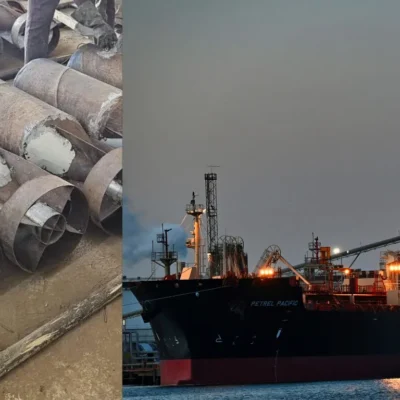
Sudan’s war is also a Red Sea security problem. Port Sudan has become an important administrative and logistical centre for the internationally recognised Sudanese state during the conflict. Instability along the coastline could threaten trade, maritime security and future investment.
For Saudi Arabia, this intersects directly with Vision 2030. Riyadh is investing heavily in its own Red Sea region and seeking greater economic and strategic connectivity across the Red Sea and Horn of Africa. Analysts have described Saudi engagement with Sudan, Ethiopia and Eritrea as part of a broader strategy combining agricultural opportunities with Red Sea geopolitics.
Sudan is therefore part of a much larger regional contest involving Gulf states, Egypt, Turkey, Iran and other international actors.
Economic Influence: Follow the Interests – Saudi Arabia Sudan war
A Saudi–Sudan influence tracker would need to monitor several sectors:
- Agriculture: food security and agricultural investment
- Gold and mining: exploration, production and refining
- Ports: maritime access and logistics
- Infrastructure: reconstruction and development
- Banking and trade: financial and commercial links
- Reconstruction: post-war investment opportunities
These interests do not automatically mean Saudi Arabia wants the war to continue. In fact, prolonged conflict threatens many of Riyadh’s economic objectives.
But economic engagement can create leverage over Sudan’s eventual post-war political and economic order. The critical question is whether future reconstruction will strengthen broad-based civilian institutions—or reinforce whichever power structure controls territory and economic assets.
Humanitarian Consequences: Civilians Pay the Price
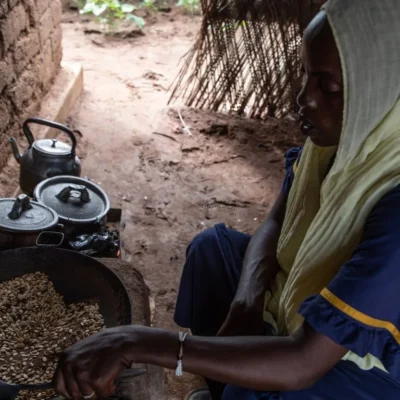
The ultimate test of every external actor’s Sudan policy is its impact on civilians. Three years of war have created the world’s largest humanitarian and displacement crisis. The UN estimated that nearly 34 million people needed humanitarian assistance in 2026, while more than 4.5 million had fled across international borders.
Displacement, hunger, disease, economic collapse and restricted humanitarian access have transformed the conflict into a catastrophe extending far beyond the battlefield.
Saudi Arabia has provided humanitarian assistance and continues to call for civilian protection and humanitarian access publicly. Yet mediation alone has not stopped the violence.
The larger lesson is clear: Saudi Arabia’s influence can potentially help create conditions for peace, but its strategic interests also make its role more complicated than that of a detached mediator.
For Sudan, the challenge is ensuring that Red Sea security, investment and regional competition do not overshadow the central objective: ending the war and restoring a political order in which Sudanese civilians, not competing armed and external power centres, determine the country’s future.
Discover more Insights
Explore Iran War Lessons Globally?
Explore how the 2026 Iran war reshapes global power and strategy.
Discover Iran Delay Strategy Tactics?
Discover how Iran uses delay, repression, and proxy influence.
Check Trump Iran Strategy Importance?
Check why Trump’s Iran strategy depends on Gulf allies.
Explore Iran Military Warning Signals?
Explore rising warnings from Iran alarming global powers.
Discover Sudan Iran Axis Threat?
Discover how the Sudan-Iran axis raises serious regional concerns.