
Iran Rejects Joint Omani Maritime Framework, Asserts Unilateral Sovereignty Over Strait of Hormuz Chokepoint
-
Dhivyanshu
- . July 30, 2026
- . Update: July 30, 2026 5:35 pm
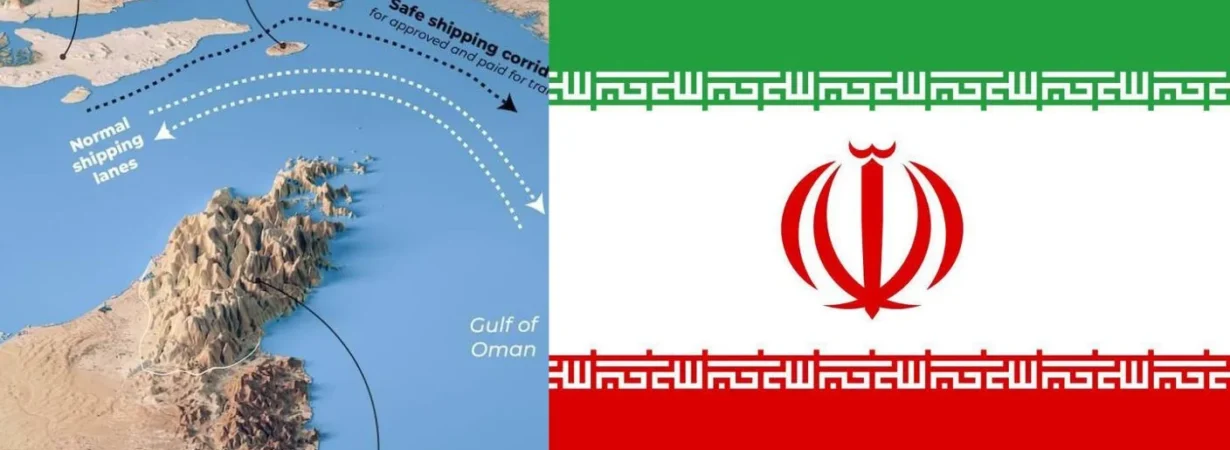
Iran has turned down a proposal from Oman that would have split management of the Strait of Hormuz between the two countries, according to Iranian officials cited by Reuters and the Wall Street Journal. Iran Rejects Strait of Hormuz Joint Control, The Omani plan called for shared responsibility over vessel movements through the waterway, an arrangement intended to ease Iranian security concerns while restoring the flow of commercial shipping.
Iran’s deputy foreign minister, Kazem Gharibabadi, said Oman had proposed splitting the shipping lanes roughly evenly, with one route running through Iranian waters and the other through Omani waters. Tehran called the plan insufficient. A senior Iranian official separately told Reuters the initiative had no realistic chance of succeeding, describing shared control as inconsistent with Iran’s sovereign claims over the strait.
What Tehran Wants Instead
Rather than an even split, Iran has proposed a temporary arrangement in which the entire inbound shipping lane, along with part of the outbound route, would fall under Iranian control. Oman would oversee only a portion of the remaining lane. Officials in Tehran have said Iran would move toward reopening the strait only if Oman accepts that framework, and that the waterway will otherwise remain restricted.
Gharibabadi also rejected the idea of a southern route running independently along the Omani coast, saying Tehran would not recognize such a corridor as a permanent transit option. Iranian officials have described the demand for expanded control as a defensive measure connected to the wider war with the United States rather than an effort to disrupt trade with friendly nations, including Pakistan and China.
Stakes for Global Shipping
The Strait of Hormuz carries roughly a fifth of the world’s oil and liquefied natural gas trade under normal conditions. Since fighting between Iran, the United States, and Israel escalated earlier this year, Iran has used drones and missiles to curtail most shipping through the southern half of the waterway, and the United States has maintained a naval blockade of Iranian ports.
Oman, which has long served as a mediator between Tehran and Western and Gulf governments, put forward its proposal as a practical middle ground with the backing of Gulf Cooperation Council states. Iranian officials have accused the United States and Saudi Arabia of pressuring Muscat to advance what Tehran calls an unrealistic framework.
A Widening Diplomatic Gap
The rejection adds to strain in already uncertain talks between Washington and Tehran. President Donald Trump has described recent discussions with Iran as productive, while cautioning that military action could resume if diplomacy fails. Iranian officials, however, have disputed that any active negotiations with the United States are underway.
Gharibabadi framed the standoff as more than a procedural dispute, calling the outcome in the Strait of Hormuz a measure of Iran’s position in the wider conflict, with implications for the country’s security that he said would last well beyond the current war.
With Tehran and Muscat still far apart, the strait’s governance remains unresolved at a moment when attacks on commercial vessels in the region continue. Analysts note that without an agreement, the waterway is likely to stay a flashpoint, one that carries consequences for global energy markets and for the broader effort to de-escalate the conflict between Iran and the United States.
Summary: Iran Rejects Strait of Hormuz Joint Control
Iran has rejected an Omani plan for joint oversight of the Strait of Hormuz, demanding control of the inbound shipping lane and part of the outbound route instead. The impasse leaves one of the world’s most critical oil and gas chokepoints without a clear path back to normal traffic.
Discover more Insights
Explore Iran War Lessons Globally?
Explore how the 2026 Iran war reshapes global power and strategy.
Discover Iran Delay Strategy Tactics?
Discover how Iran uses delay, repression, and proxy influence.
Check Trump Iran Strategy Importance?
Check why Trump’s Iran strategy depends on Gulf allies.
Explore Iran Military Warning Signals?
Explore rising warnings from Iran alarming global powers.
Discover Sudan Iran Axis Threat?
Discover how the Sudan-Iran axis raises serious regional concerns.