
Somalia Heads to UNGA 81: What President Hassan Sheikh Mohamud’s New York Visit Means for Mogadishu
-
The Arab Post
- . September 22, 2026
- . Update: September 22, 2026 4:31 pm
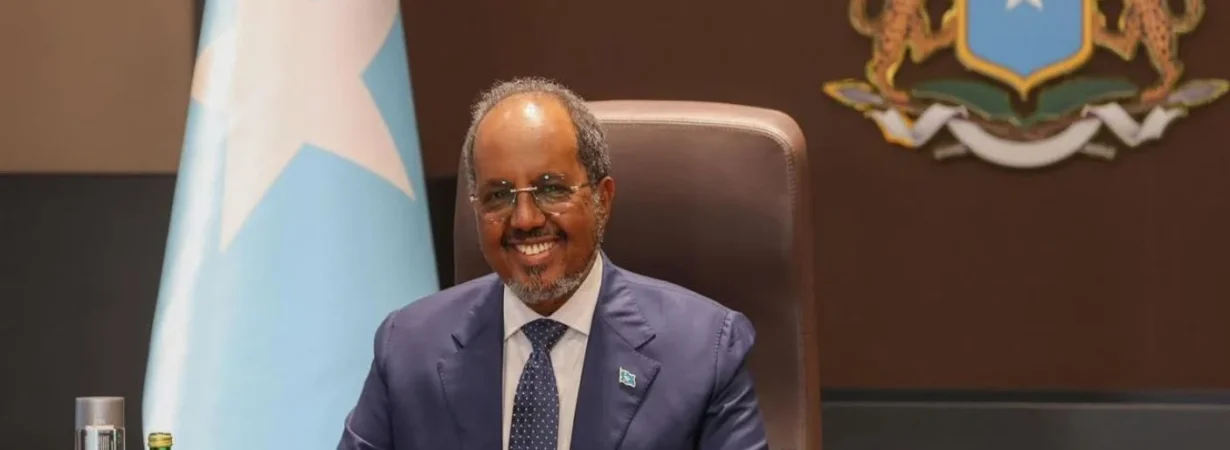
In September 2026, New York will become the focus of attention because of the Somalia’s attendance at UNGA 81. Somalia’s delegation, led by the President Hassan Sheikh Mohamud, marks a significant historic moment for Mogadishu during the 81st session of UN General Assembly held in New York City. Holding an important place in the UN Security Council makes Somalia able to use its new position to speak up and gather the needed support of the global community. This high-level meeting will play an important role in the Somalia’s future development direction, deciding the key focus on security issues or the global crisis of fragility.
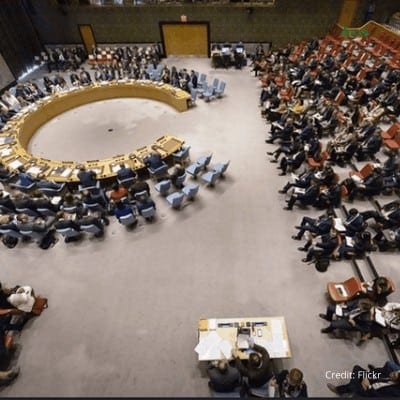
Asserting Somalia’s Role on the UN Security Council
Leveraging the 2025–2026 Term
Somalia’s diplomatic involvement with the UNGA 81 is unique and utterly new for the country. It is the first time in years that Somalia has been able to take an active part in the Security Council. President Hassan Sheikh Mohamud, the chairman of the UN Security Council, acts as a voice for multilateralism and peace-building during this summit, launching Somalia’s diplomatic agenda.
AUSSOM and the Security Transition
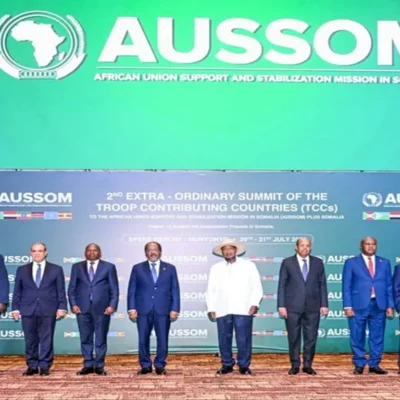
One of the major issues at the New York meetings is funding of the African Union Support and Stabilization Mission in Somalia (AUSSOM) in a sustainable manner. As ATMIS is officially phased out in 2025, AUSSOM is the force that is leading the gradual transfer of Somali national defence to Somali forces. By the official AUSSOM requirements, the mission has the current authorization until December 2026. In his UNGA speeches, President Hassan Sheikh Mohamud will call on international donors and the UN Security Council to fill in the enormous funding gaps to avoid the immediate transition period becoming a critical moment during which the fight against terrorism is put on hold.
Addressing the Global Fragility Crisis and Climate Resilience
In addition to the short-term defence measures, the Somali government is stridently promoting the interests of the vulnerable countries. The President, Hassan Sheikh Mohamud, has made many references at past assemblies to the tragic combination of armed conflict and extreme weather, which is the source of the global fragility crisis.
Climate shocks, alternating from droughts to flash floods, are still prevailing in the Horn of Africa region despite their being severe. The UNGA 81 is calling on rich countries to honour their commitments on climate financing in the city of Mogadishu. The Somali delegation wants to mobilize targeted relief money under the guise of climate change threat to international security. The Office of the Somali President is working to present Somalia as more than a war-torn country and as a country that’s able to sustain investment in green, sustainable infrastructure.
Safeguarding Sovereignty and Regional Stability
President Hassan Sheikh Mohamud will likely be busy engaging in peacemakers’ diplomacy with key bilateral partners on the margins of this week’s UN General Assembly to ensure the continuity of peace.
Navigating Horn of Africa Tensions
The geopolitical situation is still complicated, especially in relation to the recent diplomatic thaw between Somalia and Ethiopia, which was successfully worked out by Turkey. For Mogadishu, respecting Somalia’s territorial integrity is a non-negotiable. Regional border agreements and composition of AUSSOM troops will be well discussed with the international partners. These regional dynamics can be watched closely by international media, such as Reuters, and it’s important to control them to keep a strong unified front with the militants.
Key Priorities for the Somali Delegation
The main targets of the delegation of this week-long summit are:
- Ensuring strong and sustainable international funding for AU/SAM Somalia operations.
- Lobbying for a more concerted/coordinated international reaction to the fragility crisis and the high climate change risks facing the world.
- Using Somalia’s chairmanship of the UNSC to promote peace in the Middle East and Africa.
- Foreign direct investment directly comes into the Mogadishu economy after the debt relief.
With the arrival of UNGA 81, Somalia is certainly moving away from being a passive observer. The key leadership of President Hassan Sheikh Mohamud and the force of the UN Security Council are driving strategic policy agendas in the world that are decisively made in Mogadishu.The strategic policy agendas are being decisively made in Mogadishu, via the leadership of President Hassan Sheikh Mohamud and the force of the UN Security Council. This historic trip to New York locks in AUSSOM’s future, raises the awareness of the international community to take action on climate change and to help address the global fragility crisis, and establishes Somalia’s much-needed role as a stabilizing presence in the Horn of Africa.
FAQs
Q1: Why is UNGA 81 important for Somalia?
Somalia’s presence at this year’s 81st session of the UN General Assembly is possible due to the nation’s success in obtaining a non-permanent seat on the United Nations Security Council, thus giving president Hassan Sheikh Mohamud an exceptional opportunity to procure resources for the purpose of improving security conditions in the country and enhancing its climate resilience.
Q2: What is AUSSOM?
AUSSOM is the name denoting the African Union Support and Stabilization Mission in Somalia, which proved to be an alternative for ATMIS in 2025 and contributed to the anti-terrorist operations in Mogadishu along with the process of transferring defense duties to national security.
Q3: How is Somalia addressing the global fragility crisis?
The country employs the UN facilities to report on the impact of climate change on poverty caused by conflicts, as well as calls to provide international funding for climate projects in the nations suffering from the crisis of global fragility.
Discover More Insights
Explore Cairo inflation middle class impact?
Discover how rising prices are affecting savings and daily life.
Check Algeria power plant deadline extension?
Explore updates on the 1.2GW energy project timeline.
Discover Turkey new electricity tariff changes?
Check how updated pricing will impact households and businesses.
Explore Qatar initiative boosting Syria power?
Discover efforts aimed at strengthening Syria’s electricity generation.
Check Beirut balcony lighting energy tips?
Explore efficient lighting ideas for Ramadan and beyond.