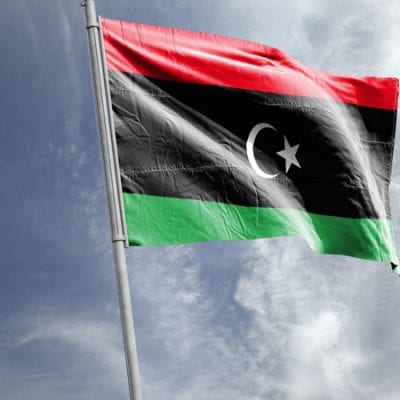

UN Mission Demands Central Bank of Libya Independence Following Forcible Removal of Governor Naji Issa
-
The Arab Post
- . October 24, 2026
- . Update: October 24, 2026 2:05 pm
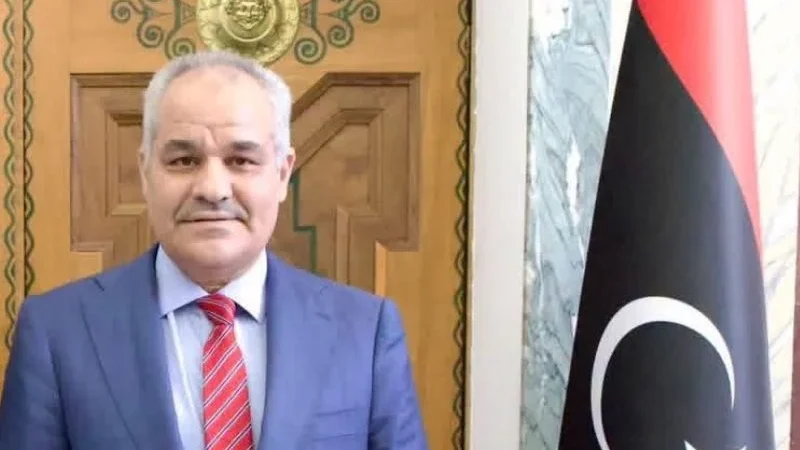
Financial and political turmoil in Tripoli has drawn the United Nations into the fray as it officially gets involved. Central Bank of Libya independence, The UN mission demands Central Bank of Libya independence following its forcible ousting of its governor, Naji Issa, from his headquarters, according to international observers, it said Friday.
United Nations Support Mission in Libya (UNSMIL) strongly condemned the sudden and sudden change of leadership in the institution. UNSMIL’s view is that it is imperative to protect the Central Bank of Libya from political interference to ensure the country’s economic stability and international financial credibility.
The crisis started when the eastern-based Libyan House of Representatives (HoR) suddenly declared the appointment of its board member Fawzi Abu Khazam as the new interim governor.
The Libya Herald reports Abu Khazam was forced into office after a competitive transition. The HoR justifies the transition by saying that it had finally accepted an old resignation request from Issa made in August.
But Naji Issa’s retraction of his resignation offer to the parliament came in public, in a news interview with local media according to which he formally withdrew his former offer and the parliament’s unilateral act was entirely illegal.
Defending the Dinar and Economic Stability in Libya
The struggle over the power is directly related to government spending. Issa has been trying to curb huge political expenditures and subsidies by his rival administrations in the east and west before his removal.
The International Crisis Group has pointed out that Issa had been warning the government continually that it is spending too much. This huge expenditure was quickly leading to the depreciation of the Libyan dinar to an unsustainable level and to the depletion of the foreign currency reserves of the Libyan State.
In its new warning, UNSMIL explicitly raised the same concerns. The mission said that applying pressure on the Central Bank of Libya (CBL) leadership to finance the increasing of public expenditures will jeopardize Libyan reserves and lead to serious inflation and more economic problems.
Rejection of Unilateral Actions – Central Bank of Libya independence
Shortly after Governor Naji Issa was taken away, the opposition political groups protested. The HoR’s unilateral move was rejected by the First Deputy Chairman of the High State Council (HSC) in Tripoli, Naji Mukhtar.
Middle East Online quotes the HSC as saying that it ordered Issa to resume his official duties. In addition, the Central Bank issued a statement, accusing the Ministry of Defence of not securing the headquarters, which it considers to be the responsibility of the ministry.
In the end, this lightning change of banking management brings to the forefront the tumultuous East-West power struggle that has hung the nation’s government dead in its tracks for years. The United Nations mission in Libya has called for the independence of the Central Bank and has urged all the factions to follow the legal procedures. If there were no single, independent central bank, Libya risks worsening economic difficulties and further fracturing of institutions.
Discover More Insights
Explore Cairo inflation middle class impact?
Discover how rising prices are affecting savings and daily life.
Check Algeria power plant deadline extension?
Explore updates on the 1.2GW energy project timeline.
Discover Turkey new electricity tariff changes?
Check how updated pricing will impact households and businesses.
Explore Qatar initiative boosting Syria power?
Discover efforts aimed at strengthening Syria’s electricity generation.
Check Beirut balcony lighting energy tips?
Explore efficient lighting ideas for Ramadan and beyond.