Best Lebanese Restaurants in Beirut With Stunning Sea Views
-
 Layla Nour
- . September 11, 2025
- . Update: September 12, 2025 3:24 am

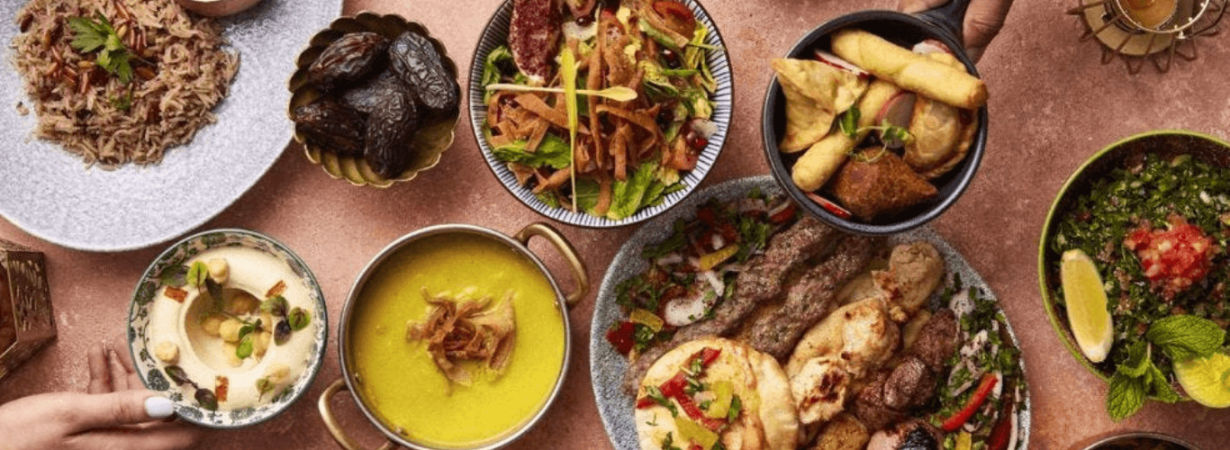
Walk the Corniche in Beirut on a clear evening and it’s impossible not to notice the mix of smells. Salt in the air, charcoal smoke rising from grills, trays of mezze being carried out to tables right against the water.
Lebanese restaurants in Beirut with sea views are not hidden gems—they are part of the city’s rhythm. Families gather here, travellers from Arab countries sit alongside locals, and the Mediterranean does the job of decoration without any effort.
Food feels heavier when the waves crash close by, lighter when the breeze runs through. This pairing of Lebanese cuisine with the sea is what keeps these spots full.
Why Beirut Is a Hub for Seaside Dining?
Beirut has always eaten by the water. The Corniche is more than a walkway; it is a stage where fishermen, joggers, and vendors fill the day. Raouche Rocks stand in the background, giant stone towers that almost every restaurant along that line claims as part of its view. Over time, owners understood what the sea gave them. Meals lasted longer when the horizon was in front of the table.
Coffee stretched into the night when the waves did the talking. The sound of cutlery is joined by the sound of water breaking on stone. It’s a habit now—when people think of dinner in Beirut, they think of it happening with the Mediterranean in sight.
Top Lebanese Restaurants in Beirut With Sea Views
The city has no shortage of waterfront tables, but a few names stay on lists again and again. Each one carries its own mood. Some are elegant, some casual, but all lean on the same backdrop: the sea.
1.Amar Seaside
On the Antelias road sits Amar Seaside, a place that treats the view as part of the menu. The terrace is its strength—wide, open, with the Mediterranean spread out as far as the eye can see. On the tables, mezze arrives fast: hummus slick with olive oil, tabbouleh sharp with parsley, grilled fish still steaming.
Families often book early, making a day of it, eating slowly until the sun slides down. A small irritation sometimes surfaces—the drive north can be heavy with traffic—but once seated, few remember the road.
2.Al Falamanki Raouche
This one leans more relaxed. Al Falamanki Raouche sits above the Corniche, pointing straight at the Raouche Rocks. Mornings here smell of bread pulled from ovens, thyme on manakish, and mint leaves crushed into labneh bowls.
Tea glasses fog up before they reach the lips. In the evening, the shift is almost seamless—dishes spread wide, music in the background, the rocks lit softly by fading light. It’s less about rushing through dinner and more about letting the evening pass without clock watching.
3.Kelly’s Fish Lounge
Kelly’s Fish Lounge keeps it small, but that’s part of its appeal. The rooftop terrace balances city lights on one side and the horizon on the other. Seafood runs the show: shrimp charred on the grill, fish with lemon squeezed until the plate pools, calamari fried crisp but soft inside.
The space feels tucked away, not noisy, not crowded, just enough for a meal that lets the sea speak quietly in the background.
4.Feluka Seafood Restaurant & Wine Bar
Named after the old sailing boats, Feluka leans heavily on seafood tradition. Platters of shrimp and calamari land with the smell of garlic strong enough to hang in the air.
Sayadieh comes with spiced rice and fried onions that crunch on the first bite. Wine fills glasses, catching reflections of moving water. It’s a casual space, not stiff, where the focus sits clearly on the sea in front and the plates between.
Popular Dishes to Try at Seaside Lebanese Restaurants
Meals along Beirut’s coast follow a rhythm. Mezze sets the stage, seafood builds the main act, and sweets finish it off. The dishes may change slightly, but certain names never leave the menu.
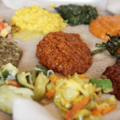
- Mezze classics: hummus, moutabal, fattoush, and tabbouleh.
- Grilled fish served whole with tahini or lemon sauce.
- Sayadieh with baked fish, rice, and fried onions.
- Charcoal shrimp or calamari with garlic sauce.
- Sweets such as knefeh or baklava, paired with Arabic coffee.
Best Times to Visit for the Perfect Dining Experience
Sunset holds a strong pull. The Mediterranean turns gold, purple, then black, and people rush for tables before the light disappears.
This is when every terrace feels crowded, phones lifted for photos, and servers moving quickly to keep pace. The food often comes slower during these hours, but no one seems to complain, because the sky is the real show.
Night brings a different energy. Street lamps run along the Corniche, their glow stretching out in the water. The air is cooler, and the noise of the city dips just enough for the waves to be heard again. Restaurants take their time here, many serving late. For those who dislike the packed rush of sunset, this is when Beirut’s waterfront feels calmest.
A weekday night can be the sweet spot: fewer crowds, the same sea, the same food, but with more space to breathe.
Insider Tips for Dining by the Sea in Beirut
Seaside dining in Beirut comes with tricks known mostly by locals. Terrace tables are claimed quickly; calling ahead is rarely wasted effort. Arriving before sunset is worth it, not only for the view but for the calm before crowds.
Prices vary: a café along the Corniche might serve affordable grills, while a fine setting like Amar leans higher.
Dress codes aren’t strict everywhere, but the smarter the place, the sharper the look expected. Traffic along the Corniche can test patience—leaving early avoids missing the colours of sunset. What stays constant, despite these small irritations, is the mix of Lebanese food, salt air, and sea views that keep people returning. The meal is only part of the memory; the setting often lingers longer.