
Sudan’s Chemical-Weapons Allegations Raise a New Red Sea and Energy-Security Risk
-
The Arab Post
- . September 8, 2026
- . Update: September 8, 2026 6:43 pm
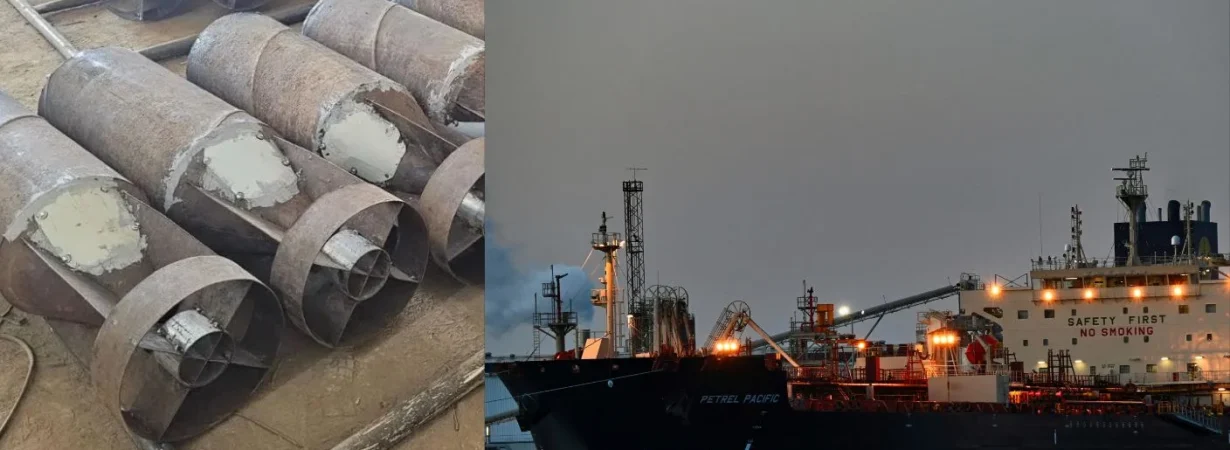
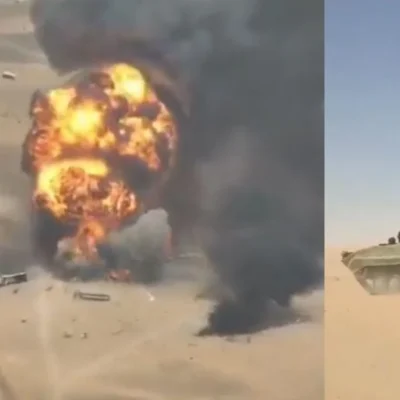
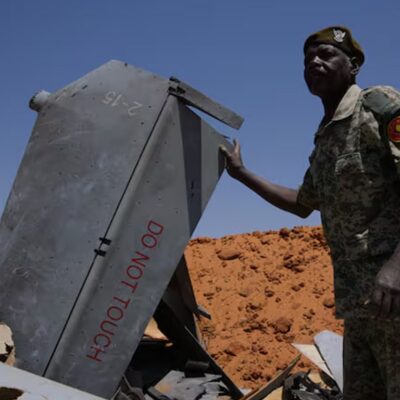
Sudan’s war could be turning into a truer threat. The New York Times and The Washington Post published investigations on 5 September 2026 that alleged that members of the Sudanese Armed Forces (SAF) have developed, stockpiled and used improvised atom bomb based on chlorine. Sudan Chemical Weapons Risk, The reporting was not made in isolation, but the material that was reviewed by The Washington Post was evaluated by weapons experts and retired chemical-weapons officials as credible information that needs to be authenticated.
The problem is far more than one of Sudan’s battlefield. The potential consequences of allegations involving chemical agents and refineries, fuel facilities, pipelines and Port Sudan include Red Sea maritime security and regional energy security.
Chemical-Weapons Allegations Mark a Potential Escalation
The documents, images, videos and communications collected, which allegedly reveal chlorine-related munitions, weapons testing and plans of SAF personnel, are described by the New York Times and Washington Post investigations. Experts found signs of a chemical-weapons programme, but also cautioned that it would take access to suspected locations and witnesses for definitive proof, the Washington Post reported.
The accusations also come as a result of a previous U.S. ruling. According to a statement dated 27 June 2025 by the U.S. government, the Government of Sudan had employed chemical weapons, thereby violating international law. The decision led to sanctions, but the U.S. government didn’t publicize all of the evidence.
The distinction between an allegation, an official determination and independently verified battlefield evidence remains important. The next step should be to investigate, verify and establish responsibility, not presume that all of the details that have been reported have been established as fact.
Al-Jili Refinery: Where Chemical Allegations Meet Energy Infrastructure
The use of chlorine has been one of the most significant aspects of the recent reporting, relating to the fight around Al-Jili refinery north of Khartoum. The refinery’s strategic significance stems from the fact that energy infrastructure plays a crucial role in energy supplies, military logistics, and economic activities.
OilPrice’s analysis on Thursday September 7th also states that the chemical-weapons claims must be viewed in the context of the vulnerability of Sudan’s energy infrastructure, including Port Sudan and the network of fuel and oil exports.
That’s important, as attacks on the pumping stations or storage facilities or the refinery can have consequences far beyond the military target itself. The consequences of damage may include reduced fuel availability, power generation, transportation, industrial activity, and humanitarian operations.
The potential precedent is also particularly significant: chemical-weapons allegations could be made around the critical energy infrastructure, thereby bringing an unconventional-warfare aspect to an already vulnerable energy system.
Port Sudan Puts the Conflict Into a Wider Red Sea Context
Port Sudan is more than a national commercial gateway! It is located in one of the world’s most strategic marine routes connecting the Red Sea and the route of the Suez Canal and Bab el-Mandeb.
The International Maritime Organization (IMO) still considers the Red Sea a vital shipping corridor for international trade and has said that further attacks could cause the disruption of shipping lanes, pose a threat to seafarers and jeopardize global supply chains.
The instability in the region of Port Sudan could impact the transport of imported fuel, humanitarian aid and exports to Sudan. Extra security risk associated with port facilities for international operators may lead to increased risk assessment, insurance costs, delays and stricter operating procedures.
Why South Sudan’s Oil Exports Are Also at Risk
When Sudan and South Sudan are viewed as one infrastructure network, the energy-security picture is more clear-cut.
South Sudan is landlocked and relies on pipelines to travel through Sudan to the Bashayer Marine Terminal in Port Sudan. South Sudan exports crude oil through Sudan, and crude from both nations enters Asian markets via the Red Sea and Bab el-Mandeb, the U.S. Energy Information Administration says.
This establishes a direct route of exposure:
Sudan conflict → pipeline and port damage/disruption → halt South Sudanese oil exports → fiscal crisis in South Sudan → broader regional economic and security impacts.
The danger isn’t that Sudan will be the sole influence on global oil prices. More significant is cumulative disruption. The markets can start to add more risk premiums to the alternative supply corridors if there is a growing threat to already stretched maritime and energy routes.
Sanctions Could Add a Second Layer of Economic Pressure – Sudan Chemical Weapons Risk
Hodges said chemical-weapons allegations can have repercussions even if there is no other significant attack.
The United States already has a very large Sudan sanctions regime. In June 2026, the U.S. Treasury included individuals and entities associated with Sudan-related networks in its sanctions list, such as companies engaged in chemicals, energy and port-related business.
Governments could be under pressure to broaden sanctions, inspections and controls on dual-use materials if chemical weapon allegations are found true. That might also pose a compliance challenge to banks, insurance firms, shipping and logistics businesses.
The risk is that the challenge is not unintended humanitarian consequences. Chlorine, for instance, is used for water treatment and there are rightful uses. According to The Washington Post, UNICEF had provided chlorine to water-treatment plants in Sudan, and had not had any record of any chlorine supplied by UNICEF being diverted.
This has made it especially critical to enforce and monitor the supply chain.
International Accountability Requires Independent Verification
The Chemical Weapons Convention bans the development, production, acquisition, stockpiling and use of chemical weapons by states parties. The OPCW has repeatedly stressed the importance of compliance and accountability under the Convention.
The central international question now on the table is not just whether allegations exist, but whether they can be determined by investigators, where they came from, who controlled them, how they were used and whether they can be verified on their own.
The OPCW process is thus potentially important for establishing the technical facts and governments, journalists, international organisations and sanctions authorities have separate responsibilities in relation to evidence preservation, attribution and accountability.
Sudan’s War Could Become a Regional Security Problem
This is not to say that the latest reporting has Sudan suddenly become an energy superpower or that a global oil shock is in the offing. The closer worry is the combination of a number of weaknesses.
A conflict that has already taken on a shape towards infrastructure may take a chemical dimension. The situation in Port Sudan is likely to grow more tense. South Sudan’s reliance on oil exports may leave it vulnerable to further instability. Within this context, shipping and insurance rates may increase, and export restrictions and compliance requirements may impose additional restrictions on trading goods that are not intended for illegal purposes.
OilPrice’s analysis published on September 7 also highlights the fact that the biggest energy danger stems from the interplay between Sudan’s weaknesses and large-scale disturbances in the Red Sea, not just from Sudan’s output.
This means that the situation is of concern not only to experts focusing on Sudan but also to Western policymakers, marine security institutions, energy firms, insurance providers, banks, journalists, and international organizations.
The answer should be based on facts, so investigations into these claims should be conducted and verified independently; critical infrastructure protection ought to be ensured, monitoring of sensitive materials ought to be improved, and accountability should be established whenever possible.
Discover more Insights
Explore Iran War Lessons Globally?
Explore how the 2026 Iran war reshapes global power and strategy.
Discover Iran Delay Strategy Tactics?
Discover how Iran uses delay, repression, and proxy influence.
Check Trump Iran Strategy Importance?
Check why Trump’s Iran strategy depends on Gulf allies.
Explore Iran Military Warning Signals?
Explore rising warnings from Iran alarming global powers.
Discover Sudan Iran Axis Threat?
Discover how the Sudan-Iran axis raises serious regional concerns.