Why The Kurdish Region Of Iraq Is Now Deciding To Ban Gun Sales?
-
 Khalid Al Mansoor
- . July 1, 2022
- . Update: July 2, 2022 12:11 am


 Iraq–Unlike the US, Iraq is looking to be stricter over gun control as a new incident of two professors being shot dead at Salahaddin University in Erbil, the capital of the region comes in focus. Strangely, in 2019, the Interior Ministry in Erbil had already passed a law that sought gun owners to register their weapons in a span of six months from the time of purchase, expiration of which meant penalties.
The federal government in Baghdad too has some (loose) gun-control measures in place, including requiring licences from owners and gun sellers, legislation introduced in 2018.
As it stands now, the government of Iraq’s semi-autonomous Kurdish region has banned the sale of guns to members of the public. Several isolated cases of gun violence are still being reported in Iraq. “Today, I have called on security services to close all weapon dealerships and seize all unlicensed weapons. I urge our citizens to join this national campaign and turn over unlicensed weapons to the government, said Masrour Barzani, prime minister of the Kurdistan region.
Related Posts


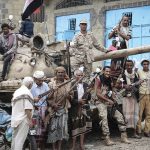
The trend of holding weapons became popular with the introduction of the US forces that continued to pour into Iraq in order to free it from the dictatorial rule of Saddam Hussein to the strife that followed the US-led invasion in 2003.
Many kept their arms post that and did not disclose or declare them. Many families continue to hold unregistered guns therefore. This also became prevalent as US troops withdrew and sold their arms in the open black market. This phenomenon was also reported in the Kurdish region during the war against ISIS, when a number of soldiers from the Kurdish Peshmerga security force were investigated after allegedly selling their weapons, following a delay in salary payments.